Campus Podcast @ Metro State University

Campus Podcast @ Metro State University

por Mr. Lucky — Educator, MAPL, M.S. Urban Education Student
Temporada 14

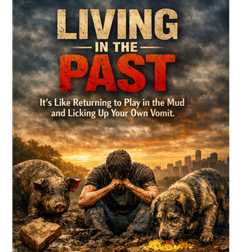
Bump The Past Bullshit

Order My Book: www.weusoursluckybooks.com PERSONAL CHANGE WORKSHEET 1. What Part of My Past Keeps Pulling Me Back? Describe the habit, mindset, or behavior you keep returning to. 2. What Does “My Mud” Look Like? Identify the specific behavior that keeps you stuck. Example: snapping in anger, shutting down, avoiding responsibility. 3. What Is “My Vomit”? What harmful action or pattern do you keep returning to even though it hurts you? 4. What Trigger Pulls Me Back Into It? List the situations, people, or emotions that send you into the old cycle. 5. What New Behavior Will Replace the Old One? Be specific and realistic. Reality Therapy (WDEP) Self‑Assessment W – WANT: What do I truly want to change in my life? D – DOING: What am I doing right now that keeps me stuck? E – EVALUATE: Is what I’m doing helping me get what I want? □ Yes □ No Explain: P – PLAN: What is my next clean step forward TODAY? Contact: 773-809-8594 or radiotalklr@gmail.com

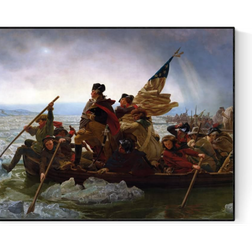
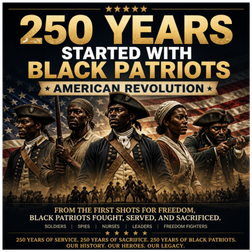
LIES OUR TEACHERS TOLD US: American Revolution
DO NOT ALLOW COLLEGE INSTRUCTORS TO DO THE SAME See My Lesson Plan Below Comments call: 773-809-8594 Black Americans: Nothing But the Truth All parents, teachers, and fellow Americans must listen to this episode. Share it with someone—then ask them to share it with someone else. Keep it moving. Keep the truth alive. "We were never told the full story about Black Americans and the American Revolution. Pull up images of the Battle of Bunker Hill and Washington’s crossing of the Delaware. Look closely. Find the Black patriots. Learn the truth." Mr. Positive. 🧭Lesson Plan to Be Used with This Podcast: Reclaiming Black Patriots of the American Revolution Presented by the Positive People USA Podcast 🎯 Learning Objectives (with Examples) Students will: Identify and explain the contributions of Black patriots in the Revolutionary War, such as:Wentworth Cheswell, the first Black elected official in U.S. history, who rode north in 1774 to warn of British troop movements. James Armistead Lafayette, a double agent whose intelligence helped secure victory at Yorktown in 1781. Analyze how post-Civil War political forces erased Black contributions from historical narratives, using:David Barton’s claim that Southern Democrats rewrote textbooks between 1870–1890 to support segregation and suppress Black patriotism. "Verbal Presentation." Evaluate primary sources to restore historical truth, including:William Cooper Nell’s 1855 book, The Colored Patriots of the American Revolution, which documents figures like Crispus Attucks and Salem Poor. 📈 Learning Outcomes By the end of the lesson, students will be able to: Name and describe at least five Black patriots, including:Peter Salem, who killed British Major Pitcairn at Bunker Hill (June 17, 1775). Phillis Wheatley, who corresponded with George Washington in 1775–76, praising his leadership through poetry. Explain the mechanisms of historical erasure, such as:The removal of Black figures from post-Reconstruction textbooks to justify Jim Crow policies and white supremacy. Create a civic restoration message that reclaims a forgotten legacy, such as:A podcast script honoring Lemuel Haynes, the first Black ordained Protestant minister, who preached liberty and pastored churches in Massachusetts and New York. 🧪 Assessment Formative: Quick write: “Why was Wentworth Cheswell’s election in 1768 historically significant?” Group discussion: Analyze Prince Whipple’s symbolic presence in Washington Crossing the Delaware and its implications for visual legacy. Draw a picture and explain the significance of any part of the podcast that strikes you as important. Summative: Civic Restoration Project: Students will produce a mini-podcast script, PSA, or infographic that reclaims one Black patriot’s legacy and critiques the mechanisms of historical erasure. Rubric will assess:Historical accuracy (dates, locations, roles)

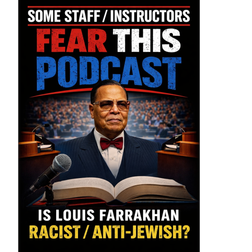
Is Louis Farrakhan Racist/Anti-Jewish?
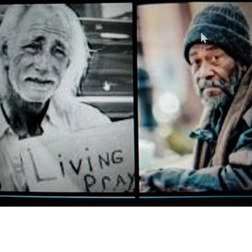
Students Attending Classes as Critical Observers SEND THIS EPISODE TO ANOTHER STUDENT- Keep it Moving. Is Louis Farrakhan Racist/Anti‑Jewish? THE CONVERSATION MANY COURSES AVOID A critical examination of race, religion, power, and public narrative. Students from all backgrounds attending classes as critical observers, watching how instructors handle racial discomfort, avoid certain truths, and reveal how power and fragility shape what gets taught. Students often show more courage than the institution itself, noticing what faculty fear discussing in courses labeled “Race,” “Ethnicity,” or “People of Color” history. You all know the classes. LOL FIVE WAYS STUDENTS CAN OBSERVE, TAKE NOTES, AND NOTICE FEAR IN STAFF/INSTRUCTORS 1. Track Topic Avoidance Students note when instructors skip, rush, or redirect discussions about controversial leaders, racial violence, or institutional bias. These moments expose patterns of avoidance and institutional fear. 2. Analyze Language, Tone, and Body Cues Students listen for hedging phrases (“that’s complicated,” “we don’t have time”), nervous laughter, sudden tone shifts, or physical discomfort. These signals reveal fear of addressing real racial issues. 3. Observe Student Reactions Students document who leans in, who withdraws, who challenges, and who looks disappointed. These reactions highlight how student courage often exceeds faculty courage. 4. Compare Course Materials to What’s Missing Students review syllabi, readings, and lectures to see what is emphasized versus what is excluded—controversial Black leaders, antisemitism, systemic bias, or state violence. Absences reveal institutional fragility. 5. Reflect on Patterns Over Time Students summarize recurring behaviors: avoidance, redirection, discomfort, or openness. These patterns show how fear shapes the classroom climate and how real learning requires discomfort. FACULTY UNDER OBSERVATION Institutional Responsibility & Harmful Rhetoric Some instructors argue universities must confront statements that may perpetuate prejudice, raising concerns about student impact and community relations. They emphasize caution, context, and historical sensitivity. Selective Outrage & Racialized Standards Others argue controversial Black leaders are scrutinized differently and that institutions avoid difficult racial topics. They challenge inconsistencies in how “harm” is defined and enforced. WHY THIS EPISODE MATTERS “Many instructors (including Black) fear this podcast because it tackles the subjects their courses avoid. Students want real conversations. Some faculty avoid the discomfort real learning demands. The Black College Achievers Podcast creates the space they won’t.” Metro State Black College Achievers Podcast Where students confront the conversations institutions tiptoe around. I don't ask the college to validate and/or support this podcast. We don't need consent to be Black and achieve. “Can I get an Amen.” Comments to: radiotalklr@gmail.com

Which One Will Metro State Hire?

Submit Your Answers To; radiotalklr@gmail.com Lesson Plan Thesis: Institutions claim to judge applicants “fairly,” yet background checks and racial bias shape who is seen as a risk, who is forgiven, and who is hired. Learning Objectives Objective 1: Students will explain how HR interprets a DUI vs. a layoff during hiring. Example: A student states that a DUI is labeled a “behavioral risk,” while a layoff is viewed as “economic hardship,” even if both applicants are homeless. Objective 2: Students will analyze how race historically influenced hiring outcomes beyond qualifications. Example: A student explains that white applicants often received more callbacks than Black applicants with equal or stronger records. Learning Outcomes Outcome 1: Students can identify how “risk” is socially constructed in hiring. Example: A student notes that HR flags a DUI for liability but does not flag a layoff, even though both applicants need stable income. Outcome 2: Students can connect the scenario to historical racial hiring patterns. Example: A student cites research showing Black applicants with clean records were rejected at higher rates than white applicants with criminal records. 5E Learning Model Engage: Present the scenario: John (DUI + eviction) and Bill (layoff + eviction) applying for the same custodial job. Ask: “Who gets hired—and why?” Explore: Students compare HR interpretations of “risk,” then examine résumé‑callback studies showing racial disparities. Explain: Class discusses how background checks appear neutral but are interpreted through racialized assumptions about reliability and danger. Elaborate: Students rewrite the hiring decision as if both applicants were Black, then as if both were white, analyzing how race shifts institutional judgment. Evaluate: Students produce a three‑sentence explanation of how background checks and race interact to shape hiring outcomes. Assessment (1 item) Exit Ticket: “Explain which applicant is more likely to be hired and how race historically influenced similar hiring decisions.”

WIN $200 — ASK ME HOW

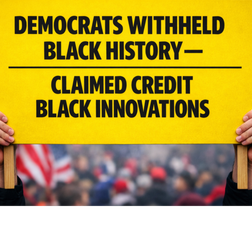
WIN $200-Ask Me How Order My Book: weusoursluckybooks.com Thesis Statement Democratic institutions after Reconstruction suppressed Black historical achievements while later claiming credit for Black innovations, distorting public memory and civic education. Learning Objectives Identify historical erasure: Students will analyze how Democratic‑controlled school boards and archives omitted Black inventors and soldiers. Example: Examine textbook excerpts excluding Lewis Latimer or Granville T. Woods. Evaluate narrative reclamation: Students will assess modern efforts to restore Black contributions to innovation. Example: Compare Carter G. Woodson’s documentation with current museum exhibits. Learning Outcomes Critical awareness: Students can explain how political power shaped historical narratives. Example: Write a short reflection connecting Reconstruction politics to textbook bias. Restorative engagement: Students propose one method to re‑center Black innovators in curricula. Example: Design a classroom poster honoring Garrett Morgan’s invention. 5E Learning Model Engage: Display the yellow‑black poster; discuss first impressions. Explore: Analyze primary sources showing omission. Explain: Connect findings to political motives. Elaborate: Create mini‑projects restoring erased figures. Evaluate: Conduct a formative reflection on how reclaiming history change's civic identity. Bonus Click into the webpage and use one of the codes to redeem my book Relationships: The Power of Illusion. Hurry and claim a code before someone else does. Please do not use more than one code. www.iuniverse.com/en/redeem 10600000441446 10600000441447 10600000441448 10600000441449 10600000441450 10600000441451 10600000441452 10600000441453

Please Help: Answer My Research Question
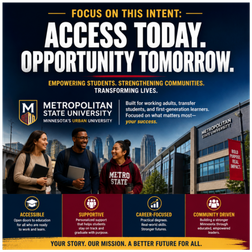
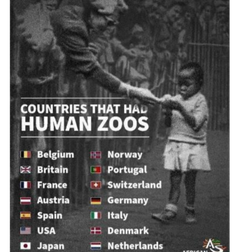
Send Your Answers To: radiotalklr@gmail.com And/or call: 773-809=8594 Lesson Plan: Omitted Histories in College Courses Learning Objectives Students will identify two major historical events (e.g., human zoos, Black massacres) commonly excluded from college curricula. Example: Students name the 1906 Bronx “human zoo” and the 1921 Tulsa Massacre. Students will explain why higher‑education institutions avoid these topics. Example: Students cite institutional discomfort or political pressure. Learning Outcomes Students will summarize one omitted event and its significance. Example: A student explains how human zoos shaped global racial hierarchies. Students will analyze one barrier to teaching these events in college. Example: A student argues that universities fear donor or political backlash. 5E Learning Model Engage: Show the podcast image of human zoos and ask: “Why isn’t this in most college textbooks?” Explore: Students skim short summaries of human zoos and Black massacres (scroll to that episode for context). Small groups list what they notice and what’s missing from their prior education. Explain: Class discussion connects omissions to academic gatekeeping, curriculum politics, and institutional image management. Elaborate: Students compare how different universities handle race‑related content and propose what should be included in a complete curriculum. Evaluate (Formative Assessment): Exit Ticket: “Name one omitted event and one reason colleges avoid teaching it.”

How Metro Compares to Other Colleges

Click into the webpage and use one of the codes to redeem my book Relationships: The Power of Illusion. Hurry and claim a code before someone else does. Please do not use more than one code. www.iuniverse.com/en/redeem 10600000441446 10600000441447 10600000441448 10600000441449 10600000441450 10600000441451 10600000441452 10600000441453

Questions for Your Teachers/Professors to Answer

1. “Why weren’t we taught that thousands of Black soldiers fought in the American Revolution?” Students want to know why figures like Crispus Attucks, Peter Salem, and James Armistead Lafayette are missing from most textbooks. 2. “If Black soldiers fought for freedom in 1776, why did slavery continue for almost 100 more years?” This question forces teachers to address the contradiction between American ideals and American reality. 3. “Why did the 54th Massachusetts have to fight for equal pay even while risking their lives in the Civil War?” Students recognize injustice and want to understand how racism operated inside the Union Army. 4. “How could the Harlem Hellfighters be heroes in WWI but face lynching and segregation when they came home?” This question highlights the brutal gap between military honor and civilian racism. 5. “Why were Black WWII veterans denied GI Bill benefits and blocked from buying homes because of racial covenants?” Students want to understand how federal policy helped create the racial wealth gap. 6. “Why were so many Black soldiers sent to frontline combat in Vietnam, and why did they return to the same racism they left behind?” This question connects military service to civil rights struggles of the 1960s and 70s. 7. “If Black Americans served in every war up to Iraq and Afghanistan, why are their contributions still left out of class discussions?” For the lesson plan for this episode email: radiotalklr@gmail.com Contact; 773-809-8594 or radiotalklr@gmail.com

Breaking News: 6,328 Downloads

Click into the webpage and use one of the codes to redeem my book Relationships: The Power of Illusion. Hurry and claim a code before someone else does. Please do not use more than one code. www.iuniverse.com/en/redeem 10600000441446 10600000441447 10600000441448 10600000441449 10600000441450 10600000441451 10600000441452 10600000441453

507‑593‑9775 CALL AND LISTEN

Tell Another Student About This Podcast and Message Line Black History Is American History — No Permission Required Black students do not need consent to learn the truth about their own history. Learning about Black Patriots, Black brilliance, and Black resistance is not optional — it is essential to understanding America itself. Asking for “permission” to teach Black history sends the wrong message. It suggests that truth needs approval. It suggests that identity must be softened. It suggests that pride must be negotiated. We reject that. Stand tall. Stand informed. Stand honorable. Black students, your history is not a side note — it is a foundation of this nation. Say it with your chest: “I’m Black and I’m proud.” And mean it every day. Tell Another Student About This Podcast and Message Line. Comments: radiotalklr@gmail.com
6 de 12