True Health Insights

True Health Insights

by Steve and Anna
Brain under Siege: Toxins, Tech, and Cognitive Health
​In the podcast episode "Brain Under Siege: Toxins, Tech, and Cognitive Health," the detrimental effects of environmental toxins and excessive digital device usage on brain function are explored. The discussion highlights how pollutants like heavy metals and pesticides disrupt neural communication in critical regions such as the prefrontal cortex and hippocampus, leading to impairments in executive functions and memory. Additionally, the episode examines how overexposure to digital screens contributes to reduced attention spans and hampers deep thinking by negatively affecting these same brain areas. The conversation also delves into the impact on the amygdala's emotional processing, the basal ganglia's role in habit formation, the cerebellum's coordination functions, the corpus callosum's inter-hemispheric communication, and the thalamus's sensory processing and sleep regulation. Emphasizing the importance of mitigating these exposures, the podcast underscores strategies to safeguard cognitive health in our toxin-laden and tech-centric world.

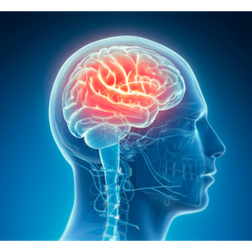
Anxiety and Dementia: A Growing Concern
Anxiety and Dementia – A Growing Concern In this episode, we explore the growing connection between anxiety and dementia, uncovering how chronic stress and excessive worry may contribute to cognitive decline. Research suggests that anxiety disorders can act as an independent risk factor for dementia by increasing stress hormones, accelerating brain aging, and impairing key cognitive functions such as attention and memory. We’ll break down the science behind how chronic stress impacts the brain, leading to neuroinflammation, hippocampal shrinkage, and emotional dysregulation. More importantly, we’ll discuss proven strategies to manage anxiety and potentially reduce the risk of dementia, including psychotherapy, diet, exercise, and holistic approaches. Join us as we highlight the importance of mental well-being in preserving brain health and provide actionable tips to help listeners take control of their cognitive future. Key Topics Covered: How anxiety disorders differ from normal stress The role of stress hormones like cortisol in brain health The impact of chronic stress on memory and emotional regulation Strategies for managing anxiety to support cognitive resilience The importance of seeking professional guidance for mental and brain health
Deep Sleep and the Brain's Glymphatic System: Nightly Cleaning Crew
Podcast Episode: Deep Sleep & The Brain’s Nightly Cleaning Crew In this episode, we dive into the power of deep sleep and its crucial role in brain health. We explore the fascinating glymphatic system, a discovery from 2012, which functions as the brain’s own cleaning crew. This system works most efficiently during deep sleep, flushing out harmful neurotoxins like beta-amyloid—one of the key contributors to neurodegenerative diseases such as Alzheimer’s. Beyond detoxification, deep sleep is also essential for memory consolidation, cellular repair, and overall cognitive function. We’ll discuss how poor sleep hygiene can negatively impact the glymphatic system and increase the risk of cognitive decline. More importantly, we’ll share science-backed strategies to improve sleep quality and enhance brain detoxification naturally. Key Topics Covered: What is the glymphatic system and why is it important? How deep sleep helps remove harmful toxins from the brain The connection between sleep hygiene and neurodegenerative diseases Tips for improving sleep quality to boost brain health The long-term benefits of prioritizing deep sleep Join us as we uncover the science of sleep and provide practical steps to optimize your brain’s natural cleansing process!
Melatonin and Alzheimer's Disease: A Promising New Avenue
The Role of Melatonin in Alzheimer's Disease In this episode, we explore the growing research on Alzheimer's disease (AD) and how mitochondrial dysfunction and chronic inflammation play a central role in its progression. We discuss an emerging potential therapy—melatonin, a hormone best known for regulating sleep but increasingly recognized for its powerful antioxidant and anti-inflammatory properties. You'll learn how melatonin supports brain health by improving mitochondrial function, reducing oxidative stress, and enhancing energy production. Additionally, we delve into its role in modulating microglial activity, helping shift these immune cells towards a neuroprotective state. While early research is promising, we discuss the need for further studies to confirm melatonin’s full potential in managing AD. Tune in to discover how this natural hormone could play a critical role in future Alzheimer’s treatment strategies!
Concussion Recovery: Tips, Nutrition & Supplementation Guide
In this episode, we dive into concussions—what they are, how they impact brain function, and the essential steps for recovery. A concussion is a type of traumatic brain injury that triggers inflammation and potential cognitive impairment. While rest and careful management are critical, nutrition plays a powerful role in healing the brain. We explore key nutrients that support recovery, including omega-3 fatty acids, curcumin, magnesium, B vitamins, vitamin D, antioxidants, choline, and L-Theanine. These compounds help reduce inflammation, restore cognitive function, and promote overall brain health. Beyond nutrition, we discuss the importance of lifestyle adjustments—limiting screen time, staying hydrated, engaging in light activity, and prioritizing rest—all crucial elements for optimizing recovery. Tune in to learn how a holistic approach can make a significant difference in concussion healing and brain resilience!
Brain Rot: Understanding and Combating Digital Cognitive Decline
The episode explores the concept of "brain rot," describing it as a decline in cognitive function resulting from excessive consumption of low-value online content. Symptoms include reduced attention span and impaired memory, with a self-assessment quiz provided to help listeners evaluate their own cognitive impact. The discussion focuses on strategies to mitigate "brain rot," such as limiting screen time and engaging in more offline activities. While not a formal medical diagnosis, the term highlights the potential mental health consequences of excessive digital consumption. The podcast concludes with resources for managing screen time and suggestions for healthier alternatives.
Digital Brain Drain: The Impact of Electronic Overuse
Excessive screen time negatively impacts brain health, leading to reduced memory, impaired focus, and worsened mood. In this podcast Steve and Anna explore these detrimental effects, detailing how constant digital distractions hinder cognitive functions and emotional well-being. They discuss practical strategies to mitigate these issues, such as limiting screen time, engaging in mindful activities, and optimizing one's digital environment. Finally, the text addresses frequently asked questions regarding screen time limits, blue light glasses, alternative activities, and the impact on children.
Conquering Brain Fog: Causes, Symptoms, and Solutions
This podcast dives into the topic of brain fog, a condition marked by mental haziness, poor focus, and memory challenges. The discussion uncovers common causes such as stress, inadequate nutrition, sleep deprivation, and hormonal imbalances. Key symptoms, including difficulty concentrating, forgetfulness, and sluggish thinking, are explored in detail. The conversation shifts to actionable solutions, emphasizing lifestyle changes like adopting a nutrient-rich diet, maintaining consistent sleep hygiene, managing stress effectively, and incorporating regular physical activity. The potential role of supplements in supporting cognitive clarity is also highlighted.
Sleep and Brain Health
In this episode Steve and Anna delve into the crucial link between sleep and brain health, detailing how sufficient sleep improves memory, mood, and cognitive function. They explore the negative consequences of sleep deprivation, including impaired concentration and increased risk of mental health issues. Practical strategies for improving sleep quality are presented, such as establishing a regular sleep schedule and limiting blue light exposure. The role of sleep supplements, like melatonin and magnesium, in addressing sleep difficulties is also discussed, while emphasizing the importance of consulting healthcare professionals for personalized advice. Ultimately, they advocate prioritizing sleep for optimal mental and physical well-being.