The Wandering Clinician

The Wandering Clinician

by J.P. De Oliveira Estevão
Season 2
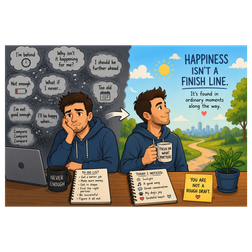
You are not a Rough Draft
AI
This episode explores the internal struggles of neurodivergent individuals who often feel inadequate because they measure their success against societal standards not designed for their unique minds. It suggests that the primary barrier to happiness is not neurodivergence itself, but a persistent internal narrative that treats one’s life as an endless self-improvement project rather than something to be lived. By shifting from self-judgment to curiosity, individuals can recognize that their brains are wired for protection and problem-solving, even when those traits become exhausting. The author emphasizes that satisfaction is found in ordinary moments and personal engagement, such as the state of flow, rather than in reaching a perfect, problem-free destination. Ultimately, the source encourages readers to practice self-acceptance, viewing themselves as complete beings rather than "rough drafts" awaiting future refinement. This perspective reclaims the value of personal timelines and authentic interests over the pressure of external comparisons.
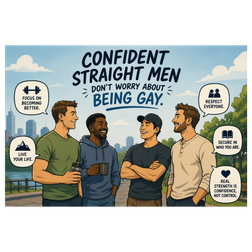
Fragile Masculinity and the Performance of Strength

AI
The Wandering Clinician examines the psychological phenomenon of precarious manhood, where masculinity is viewed as a fragile status that must be constantly earned and defended. The author uses reports of men avoiding basic hygiene due to fears of appearing gay as a starting point to discuss how internalized homophobia and rigid gender roles police male behavior. By referencing sociological concepts like masculinity threat, the piece argues that many men prioritize the performance of toughness over their own physical and emotional well-being. The narrative highlights the tragic irony that this obsession with maintaining a powerful image often results in increased anxiety, social isolation, and a reluctance to seek medical care. Ultimately, the source suggests that true confidence lies in authenticity and self-awareness rather than in the constant avoidance of perceived feminine traits. Historical and cultural examples are provided to demonstrate that definitions of manliness are often arbitrary and shift over time.
Mental Health Labyrinth
AI
Every day, people struggling with anxiety, depression, trauma, and other mental health challenges are told that help is available. Yet when they reach out, they often find themselves trapped in a maze of insurance approvals, limited provider networks, endless paperwork, and treatment restrictions. At the very moment they need support the most, they are expected to navigate a complex bureaucracy that can feel overwhelming and exhausting. In this video, we will explore the hidden structural obstacles that prevent millions of people from accessing the care they need. We will examine how practices such as step therapy, inadequate insurance coverage, and low reimbursement rates create a two-tiered system where quality mental health treatment is increasingly reserved for those who can afford to pay out of pocket. Most importantly, we will discuss why access to mental health care should be as simple as walking through an open door, and why investing in accessible treatment is not only a compassionate choice but also a smart investment in healthier individuals, stronger families, and a more resilient society.
Season 1
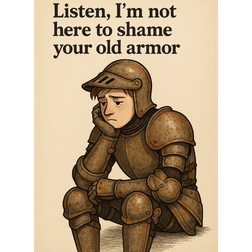
When Your Coping Mechanisms Become Your Cage
At some point, the armor that once kept you safe starts to weigh you down. The sarcasm, the perfectionism, the emotional detachment—all brilliant survival tools in their time—can become rusted relics that suffocate more than they protect. In this episode, we explore how coping mechanisms forged in fire can turn into prisons of our own making. From dissociation-as-a-side-hustle to emotional medieval cosplay, we talk about grieving the old defenses, honoring their purpose, and finding the courage to step into life without hiding behind them. Healing may be messy, awkward, and full of baby-deer stumbles, but it beats living forever in armor that no longer fits.
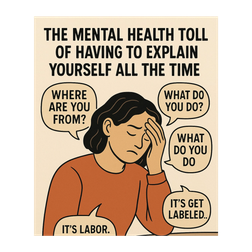
The Mental Health Toll of Having to Explain Yourself All the Time

What happens when your life feels like a constant Q&A about your identity? In this episode, we explore the costs of justifying who you are—whether neurodivergent, queer, a person of color, or all of the above. While explaining yourself may seem harmless, it can erode your joy, nervous system, and sense of belonging over time. We discuss the emotional labor of translation, the exhaustion of masking, and the quiet rebellion of saying, “I do not owe you an explanation.” This conversation resonates with anyone who feels their existence needs footnotes.
Arthur Schopenhauer, Instagram, and the Fine Art of Feeling Inadequate
If Arthur Schopenhauer were alive today, he would likely dislike Instagram, and he'd have good reasons. This 1800s philosopher was known for his pessimistic views, believing life swings between pain and boredom. He might see social media as a distraction that fosters unhealthy comparisons. This episode examines how comparison steals joy, why your unique self shouldn’t envy others, and how embracing your quirks could be the remedy for modern misery.
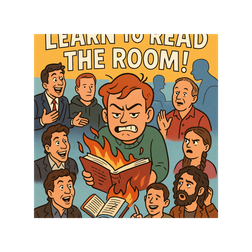
Learn to Read the Room!
Emotional intelligence sounds simple enough: notice the vibe, respond like a human, and resist the urge to hijack the moment like a toddler. But in reality, some people treat conversations like open mic night, derailing, interrupting, or overwhelming their way through every exchange. In this episode, we break down the subtle art of reading the room, spotlighting personalities from Jimmy Fallon's over-caffeinated interruptions to Zuckerberg's uncanny chatbot vibes, from Tom Cruise's jet-engine intensity to Russell Brand's Category 5 word storm. You will learn how to pause, listen, and actually connect without leaving your conversational partner wondering what just happened.
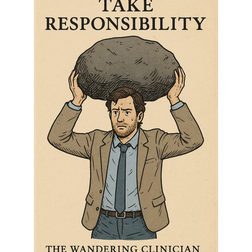
Take Responsibiliy
I discuss the quiet weight of ownership. Responsibility is not always glamorous—it is heavy, awkward, and rarely applauded. But it is also the birthplace of change. This image reminds us that real growth begins when we stop pointing fingers and start lifting the weight ourselves.
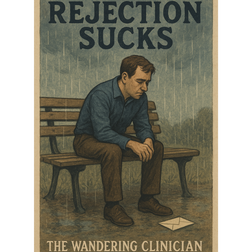
Rejection sucks
I discuss the sting of not being chosen. Rejection hurts—not because we're weak, but because we dared to want something. This piece honors that ache without diminishing it. You're allowed to sit in the rain for a bit. Just don't unpack and live there.
Patriotism Versus Nationalism
I discuss the thin line between love and control. Patriotism says, "I love my country." Nationalism says, "I love my country—and hate yours." This visual dissects how love for one's home can be rooted in humility and hope, or twisted into aggression and exclusion.
1 of 2