Mente Sin Fronteras

Mente Sin Fronteras

by Elite DNA Behavioral Health
Season 1
Episode 20: More Than Medication: A Conversation on Psychiatry
In this episode, Dylan DeMars, Psychiatric-Mental Health Nurse Practitioner, discusses the role medication can play in treating anxiety and depression, why it works best alongside healthy lifestyle habits and therapy, and the ultimate goal of treatment: achieving remission, not lifelong dependence on medication.
Episode 19: From Control to Connection: Rethinking Eating Disorder Recovery

Explicit
In this episode, Amanda Bethurem, Licensed Mental Health Counselor, is joined by Annalise Bayer, doctoral student at Florida Gulf Coast University to discuss her personal journey with eating disorders, body image struggles, and the path toward healing and recovery. If you would like additional information or support, please see the attached resources. https://www.montenido.com/ https://renfrewcenter.com/ https://centerfordiscovery.com/ https://viamarhealth.com/ https://wavesofhopeed.com/ https://blscounseling.net/services/eating-disorder-treatment/ https://www.allianceforeatingdisorders.com/
Episode 18: Comprendiendo Las Necesidades Sensoriales En Personas Con Autismo
En este episodio, Amanda Bethurem, Consejera de Salud Mental Licenciada, se une a Cora Romero, Coordinadora de Admisiones ABA/Logopedia/Terapia Ocupacional, para una discusión sobre las necesidades sensoriales en personas con autismo. Cora ayuda a proporcionar comprensión sobre los comportamientos que pueden utilizar para expresarse. In this episode, Amanda Bethurem, Licensed Mental Health Counselor, is joined by Cora Romero, Intake Coordinator ABA/Speech/OT, for a discussion on sensory needs in those with Autism. Cora helps provide understanding on behaviors that they may use to express themselves.
Exploring Borderline Personality Disorder
In this episode, Amanda Bethurem, Licensed Mental Health Counselor, is joined by Krista Van Bruggen, Licensed Clinical Social Worker, for an honest conversation exploring borderline personality disorder (BPD). The discussion covers diagnosis, common misconceptions and treatment options from a compassionate, clinical lens.
Resilience in Uniform
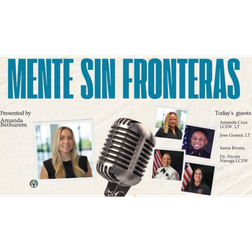
This episode brings together Amanda Cruz, LCSW; LT Jose Gomez; LT Sarea Rivera; and Dr. Nicole Navega, LCSW for an honest and insightful conversation about mental health among first responders. Drawing from both lived experience and clinical expertise, the guests challenge common misconceptions—such as the belief that first responders are immune to trauma or expected to push through distress without support—and reveal what the work is really like behind the scenes. The discussion centers on the importance of safety, community, and compassion, highlighting the need for strong peer support, culturally competent therapy, and environments where vulnerability is met with understanding rather than stigma. Together, the guests outline what first responders truly need to improve their mental health and sustain long-term well-being.
Autismo en la comunidad hispana – Aclarando conceptos erróneos
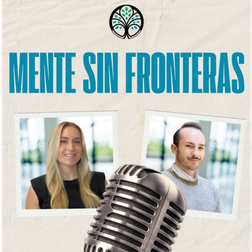
En este episodio, conversamos con Cora Romero sobre el Autismo en la comunidad hispana y los mitos que aún lo rodean. Cora nos ayuda a entender qué es realmente el Autismo: una diferencia neurológica, no una enfermedad, y nos recuerda que cada persona autista es única. También hablamos sobre algunos malentendidos comunes en familias hispanas y cómo estas creencias pueden retrasar un diagnóstico y el apoyo que los niños necesitan. Además, discutimos la importancia de la detección temprana, los beneficios de la intervención y cómo las familias pueden crear espacios seguros y de aceptación para sus seres queridos.
Religion and Mental Health
In this episode, we welcome Jesse Ojeda, a clinical psychology student whose academic focus centers on the connections between religion, spirituality, and psychology. His work explores how faith traditions and spiritual practices intersect with mental health, and how these perspectives can contribute to a deeper understanding of healing and well-being.
Reconociendo el Abuso Más Allá de lo Visible
En este episodio, conversamos con Andrea Cadavid Ewing, terapeuta asociada en Elite DNA, sobre las formas de abuso que muchas veces pasan desapercibidas. Andrea nos ayuda a entender que el abuso no siempre es físico—también puede ser emocional, psicológico o manifestarse en conductas sutiles que, aunque no dejan cicatrices visibles, afectan profundamente la salud mental. Hablamos sobre cómo reconocer estas señales y el camino hacia la sanación. Andrea también comparte cómo la terapia puede brindar un espacio seguro no solo para los sobrevivientes, sino también para quienes están viviendo el abuso, para que puedan procesar su realidad y comenzar a recuperar su voz.
Healing Through Forgiveness
In this episode, we sit down with Kim Weber to explore the process of healing through forgiveness. Kim shares how forgiveness, whether toward others or ourselves, can be a powerful step in our mental health journey. She reflects on the challenges that come with letting go of pain and resentment and the freedom that can come from choosing compassion over anger. We talk about what forgiveness really means, how it impacts our emotional well being, and how it can open the door to deeper healing. Kim also offers practical advice for anyone struggling to forgive, reminding us that healing doesn’t mean forgetting—it means choosing peace.
Exploring Therapy
In this episode, we sit down with Nicolás Rodríguez, a compassionate therapist, to explore what therapy really looks like and what you can expect when starting your mental health journey. Nicolás breaks down the different types of therapy available from cognitive behavioral therapy (CBT) to person centered and trauma informed approaches, explaining how each one supports emotional growth and healing. He shares insights on how to choose the right kind of therapy based on your needs and goals, and what the first few sessions might feel like. Whether you’re considering therapy for the first time or just curious about how it works, Nicolás provides thoughtful guidance to help you feel more informed and empowered. We also discuss common myths, fears, and the importance of building a trusting relationship with your therapist.
1 of 2