More Than a Toilet: Planning Effective Portable Welfare Facilities
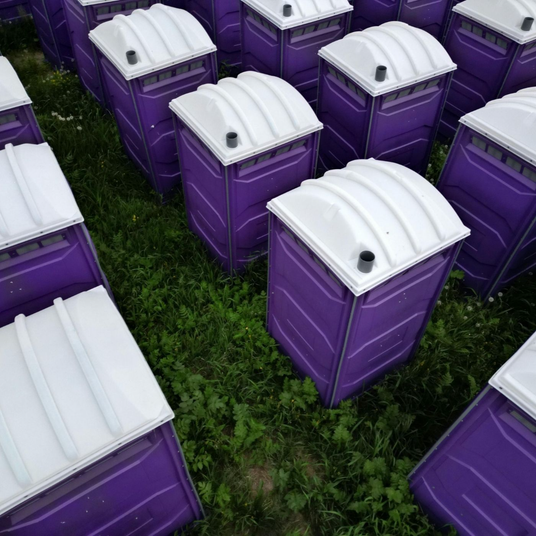
When a project is taking place away from permanent facilities, providing appropriate sanitation is not simply a convenience it is an important part of creating a functional and well-managed working or public environment. In this episode of Site Ready, we explore what organisations should consider when planning portable toilets for construction projects, events, temporary workplaces, refurbishment programmes and other locations where permanent facilities may not be available. The conversation begins with the fundamentals: how many people will use the facilities, how long the project will operate, where the units will be positioned, and what level of servicing will be required. We then look at the differences between smaller individual units and larger linked or modular toilet facilities, helping listeners understand why the right solution depends on the project's size, duration and operational requirements. For organisations that expect to need sanitation facilities repeatedly, purchasing can also be worth considering. Exploring portable toilets for sale can give businesses greater control over their facilities, particularly when units may be required for long-term projects or multiple deployments. The important consideration is not simply the initial purchase, but the complete lifecycle of the facility including durability, cleaning, servicing, transportation and suitability for the intended environment. The episode also examines hygiene and workforce welfare. Durable, non-porous materials, straightforward cleaning and accessible servicing can help maintain sanitary conditions while reducing unnecessary disruption. For work environments, suitable welfare facilities can form an important part of responsible site management and compliance planning. Next, we look at the different environments where portable facilities can make a difference. Construction and civil engineering sites may need facilities for large or remote workforces. Event organisers may require higher-capacity arrangements for temporary public gatherings. Businesses undergoing refurbishment can use temporary facilities while permanent amenities are unavailable. Specialist locations such as golf courses and pharmaceutical sites may also have unique requirements that influence the type and configuration of facilities selected. The episode then turns to logistics. A portable facility is only useful if it can be delivered, positioned, connected and serviced effectively. Planning access routes, available space, utilities, servicing arrangements and the expected duration of use can help avoid problems after installation. Finally, we discuss why portable welfare facilities should be viewed as part of the wider project plan rather than an afterthought. Good planning can support hygiene, productivity, workforce welfare and operational continuity while giving project managers greater confidence that essential facilities will be available when required.