
Episode notes
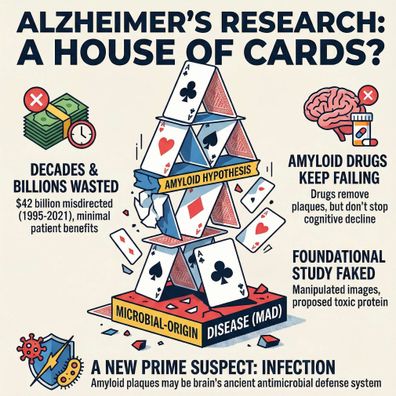
A complex view of Alzheimer's disease (AD) etiology and treatment, contrasting the traditional "amyloid cascade hypothesis" with alternative theories. Several sources criticize the amyloid hypothesis, citing failed anti-amyloid clinical trials, methodological flaws, and even allegations of major scientific fraud that undermined decades of research focus. Alternative perspectives explored include the Microbial Alzheimer's Disease (MAD) hypothesis, which suggests chronic infection by pathogens like Porphyromonas gingivalis (periodontitis-causing bacteria) and Herpes Simplex Virus 1 (HSV-1) drives AD pathology, viewing amyloid-beta and Tau as part of a disrupted antimicrobial response. Additionally, other sources investigate the role of brain insulin resistance in AD, noting its exacerbation by conditions like Type 2 Diabetes, and propose the potent ...