
Episode notes
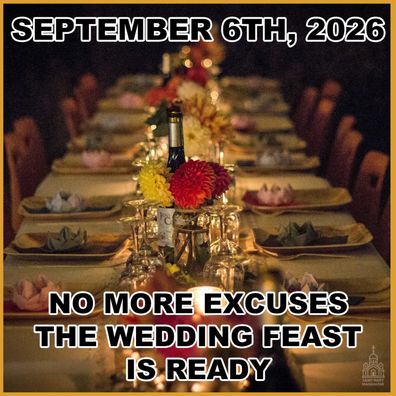
In this sermon, Fr. Stephen Osburn reflects on the Parable of the Wedding Feast in Matthew 22:1-14 and its warning about the excuses we make in the spiritual life. The king prepares the feast and sends out the invitation, yet those who were invited allow other priorities to keep them away. The Gospel asks us to consider whether we do the same thing with God. Are prayer, worship, fasting, confession, and service central to our lives, or do we practice them only when they are convenient? The invitation has been given, but we still have to respond.
The sermon also considers why the Orthodox Church gives Christians rules and spiritual disciplines. Fr. Stephen discusses Canon 80 of the Council in Trullo, which shows how seriously the historic Church regarded regular participation in Sunday worship. These disciplines are not given simply to control people or create a checklist for salvation. They help form us in repentance and teach us to order our lives toward God. Orthodox Christianity calls us to receive the wisdom of the Church rather than continually reshaping the faith around our own preferences.
This becomes very practical in everyday life. We can always find a reason why we are too tired to pray, too busy for church, unable to fast, or convinced that someone else will help the person in need. Yet the spiritual life requires more than good intentions. Sometimes repentance means getting up earlier for Liturgy, praying even when we do not feel like praying, changing our plans for Vespers, or serving someone when it would be easier to walk away. The question is not whether we struggle, but whether our struggles lead us back toward God or become excuses for remaining where we are.
The warning at the end of the wedding feast reminds us that our response to God’s invitation matters. This is not meant to drive Christians into despair, but to awaken us to repentance while there is still time to act. The Orthodox Church invites us into a life of worship, prayer, confession, mercy, and communion that gradually reshapes who we are. Consider what regularly takes priority over God in your own life and what concrete change you can make today. The feast is prepared, and the Gospel calls us to stop waiting for a more convenient time to respond.