

The Dr Maya Way
Season 32066
Ebola Epedemic in DR Congo and Uganda - Will the WHO, and CDC wait or Use the Early Warning System using Dr Maya AI powerd Prema Kiosk to Empower People to initially identify infected at home and isolate them
Season 32029

What are the Boundries of Realities in Health and Wellness
Season 32026
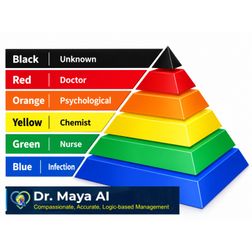
Dr Maya AI-The Assistant for Doctors, Nurses, Teachers and Parents
Taming the Storm that is like a fire going off in the brain of a child and you can't reason with a fire alarm, so you can't reason with them?
Toddlers Temper Tantrums to Trust that Every parent must know how to handle so that the child grows up to be confident, caring and loving adult
The Child Developmental Echo how early childhood stress and even infant distress echo through time to dictate adult physical and mental health
From Tantrums to Trust - Helping Children to Boost their Confidence, Conquer Fear, Risk takers who succeed
Dr Maya Color-Coded Health Explained
Why the perfect student is fragile
Why infant distress becomes adult disease?
1 of 31