Rohbotics-Talk

Rohbotics-Talk

by Rohan Jay
Season 1
Artificial Intelligence and Robotics
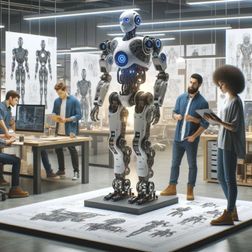
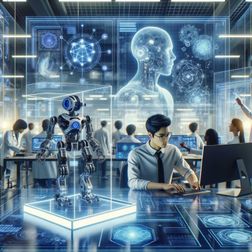
Artificial intelligence has become a transformative force in robotics, enhancing machine decision-making and enabling robots to perform tasks with human-like precision and adaptability. AI-driven robots are now capable of complex functions such as recognizing emotions, performing intricate surgeries, and providing personalized care, which are particularly beneficial in healthcare and therapeutic settings. Machine learning has revolutionized robotic vision and the functionality of prosthetics, allowing for more nuanced and effective applications. However, the rise of autonomous robots also raises ethical questions regarding their use in sensitive areas like transportation and military operations. In space exploration, AI-equipped robots prove invaluable, undertaking tasks in environments too harsh for humans. As AI and robotics continue to advance, they hold the promise of profound societal impacts, provided ethical considerations are diligently addressed.
Advanced Robot Design
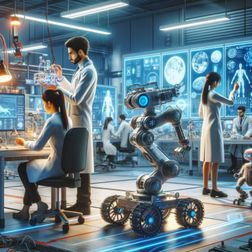
Advanced robot design is pushing the boundaries of innovation with human-like social robots, versatile machines for challenging terrains, and soft robotics for delicate tasks. Drones are transforming agriculture and disaster response, while bio-inspired and self-healing technologies enhance robotic resilience and functionality. Tactile sensing and amphibious capabilities allow for precise operations in diverse environments, and robots designed for extreme conditions aid in search and rescue. The field balances technological advancement with ethical considerations for societal integration.
Cutting-Edge Robotics Applications
Cutting-edge robotics applications are transforming industries and human capabilities, from swarm robotics enhancing search and rescue missions to exoskeletons aiding those with mobility impairments. Autonomous robots are crucial for underwater exploration and environmental conservation, while robotics in surgery improve patient outcomes. However, the ethical implications of autonomous military robots demand careful consideration, ensuring technological advancements align with moral and legal standards for a sustainable and ethical future.
Human-Robot Interaction for Therapeutic and Supportive Roles
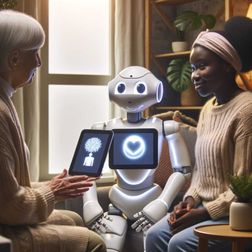
Robotic technology has expanded into the realm of human mental health, offering therapeutic assistance and companionship, especially for the elderly and those with neurodegenerative diseases. These robots serve in therapy sessions, provide emotional support, and enhance the well-being of individuals by mitigating loneliness and assisting with daily routines. Their consistent, predictable interactions offer a non-judgmental presence that can improve mental health and emotional regulation. As this field evolves, robots are becoming integral in delivering and supplementing mental health care in innovative ways.
Use of swarm robotics for search and rescue missions

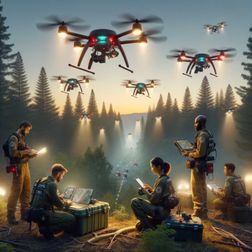
Swarm robotics in search and rescue operations harnesses collective intelligence and robustness, enabling efficient area coverage and data collection. These autonomous robots can navigate challenging terrains, offering rapid response in emergencies. With advanced algorithms, they communicate and coordinate, enhancing search accuracy. The technology promises to revolutionize rescue missions, potentially saving lives with greater efficiency and reduced risk for human rescuers.
Topics for Research in Robotics
Robotics research topics cover a broad spectrum, from the intricate mechanical design of robots to the sophisticated algorithms driving artificial intelligence. Key areas include enhancing sensor accuracy for environmental perception, developing control systems for robot autonomy, and innovating human-robot interaction for seamless cooperation. The field also delves into the application of robotics in diverse sectors such as healthcare, transport, and manufacturing.
Ethics in Robotics
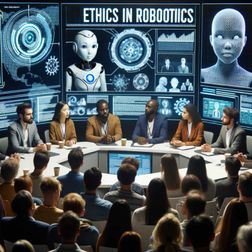
The advent of robotics raises critical ethical concerns, notably in employment disruption, privacy invasion, and moral decisions by AI. While robots improve efficiency and spawn new jobs, they also necessitate workforce re-education to prevent socioeconomic inequalities. Privacy issues emerge from advanced surveillance capabilities, challenging us to balance innovation with personal rights. Furthermore, embedding morality into AI decision-making presents complex technical and philosophical dilemmas, as we strive to align robotic actions with human ethical standards.
History of Robotics
The history of robotics spans from ancient automata to AI-driven robots, marked by key figures like da Vinci and Engelberger. Early mechanical devices set the stage for the 20th-century's industrial robots and the integration of computer technology, which led to sophisticated, intelligent machines. Today, advancements in AI are enabling robots to perform complex tasks with increasing autonomy, reflecting humanity's enduring quest to extend its capabilities through technology.
Robotics in manufacturing
Robotics has revolutionized manufacturing by automating tasks, leading to enhanced efficiency and productivity. The introduction of collaborative robots (cobots) allows for a harmonious work environment where machines assist humans, rather than replace them. This synergy has improved not only output but also workplace safety and job satisfaction. The advent of AI and machine learning in robotics heralds a future of autonomous and adaptive manufacturing processes. However, this technological surge also brings challenges, necessitating workforce upskilling and addressing the economic impacts of automation.
Robotics Competitions
Let's explore the electrifying realm of robotics competitions, highlighting events like FIRST Robotics, RoboCup, and DARPA challenges as pivotal in fostering STEM education. These competitions aren't just about engineering prowess; they're incubators for life skills such as teamwork and problem-solving. With a focus on innovation and strategic thinking, these contests prepare students for future STEM careers and inspire creative solutions to technological challenges. We'll explore these dynamic platforms through stories of past competitors, educators, and a behind-the-scenes look at competitive robot construction.
1 of 2