OneLiberia Farming

OneLiberia Farming

by OneLiberia TEAM
Season 2026
Planting Vegetables Now
If you are a young Liberian farmer, this is one of your biggest opportunities: plant the right vegetables at the right time, and you can earn steady income. April and May bring strong rains in most parts of Liberia, which makes this season very good for many crops—but only if you choose wisely. OneLiberia.ai can help...
5. Simple Record Keeping
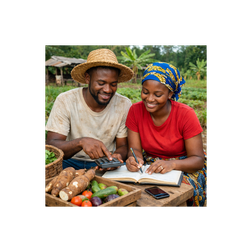
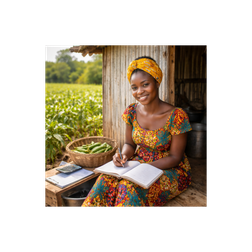
For young Liberian farmers starting out, keeping simple records of daily income and expenses is just as important as planting and harvesting. Farming is not only about growing crops—it is also a business. If you track your money well, your farm can grow steadily. Write down every time you spend money on your farm. This includes seeds, tools, transport, hired labor, water, and fertilizer. Then record every time you earn money from selling crops like cassava, okra, pepper, or rice. Nothing is too small to write down. OneLiberia.ai can help...
Choosing Good Land
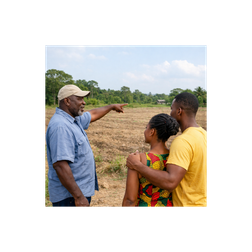
Choosing good land is one of the most important decisions a young Liberian farmer can make. Good land can lead to strong crops, steady income, and long-term success. Poor land, on the other hand, can waste time, energy, and money. Taking time to choose wisely is a smart first step toward building a better future. OneLiberia.ai can help...
4. Roasting and Packaging Groundnuts
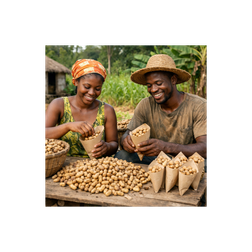
Groundnut roasting is a simple and profitable business that many young Liberian farmers can start with very little money. Groundnuts (peanuts) are popular across Liberia, and people buy them every day as snacks. By roasting and packaging them well, you can earn more than selling raw groundnuts. Start by sourcing clean, dry groundnuts from your farm or a local market. Remove stones, bad nuts, and dirt. Good quality groundnuts will give you better taste and attract more customers. Wash them if needed, then allow them to dry properly before roasting. OneLiberia.ai can help...
3. Palm Oil Production
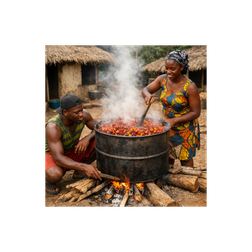
Palm oil production is a practical business that many young Liberians can start on a small scale. Palm fruit is already familiar and grown in many parts of Liberia, and processing it locally can create income for individuals, couples, and families. Instead of selling only raw fruit, young people can add value by turning it into bottled palm oil for homes, markets, and food sellers. The work begins by gathering fresh palm fruit, boiling it, pounding or pressing it, and separating the oil from the pulp and water. After that, the oil should be heated carefully, cleaned, cooled, and poured into clean bottles or containers. Good hygiene is very important. Clean buckets, drums, bottles, and working tables help produce better oil that customers will trust and buy again. OneLiberia.ai can help...
Conflicts and Concerns
Conflicts in the Middle East may feel very far away from Liberia, but global events often affect everyday life in many countries. When wars disrupt oil production or shipping routes, fuel prices can rise around the world. Liberia imports fuel, rice, and many other goods, so higher global prices can make transportation, food, and basic supplies more expensive. This can affect taxi fares, farming costs, and the price of goods in markets. This can cause an additional impact on those with disabilities. For young Liberians trying to build a future, these changes can create extra challenges. Jobs may become harder to find if businesses struggle with higher costs. Farmers and small traders might see their profits shrink if transport or imported tools become more expensive. OneLiberia.ai can help
2. Plantains Chip Making
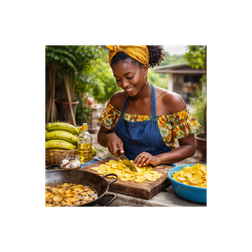
Plantains grow well in many parts of Liberia and are a valuable crop for farmers. Instead of selling all plantains fresh, young farmers can earn more money by turning some of them into plantain chips, a popular snack sold in towns, markets, schools, and bus stations. The first step is to harvest firm, green plantains. Green plantains are best because they are less sweet and make crisp chips. Wash the plantains and peel off the thick skin. Using a knife or simple slicer, cut the plantains into thin slices. Thin slices fry faster and become crisp. Then... OneLiberia.ai can help...
1. Cassava Processing for Farmers
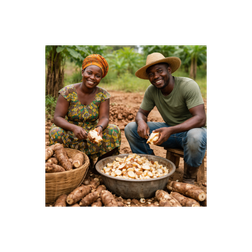
Cassava is one of the most important crops grown by farmers across Liberia. Many farmers sell fresh cassava roots at low prices, but processing cassava into other products can greatly increase its value and create more income for a family. Learning simple cassava processing skills can turn a basic harvest into several useful products such as gari, fufu flour, or cassava starch. OneLiberia.ai can help.
50 Practical Ideas
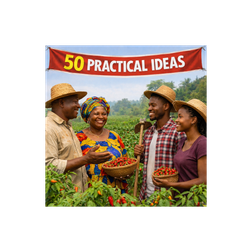
50 Practical Ideas for Young Liberians to Earn a Living Beginning 9 March 2026 each Sunday through Friday one new practical idea will be posted on OneLiberia.ai. All 50 ideas will always be available by clicking on OneLiberia.ai Many young Liberians did not have the opportunity to attend school for long. Some may have only a few years of education, while others may have none at all. But this does not mean they cannot build a good life. Across Liberia and around the world, many successful people started with very little schooling. What helped them succeed was determination, hard work, and the willingness to learn useful skills.
Farmers Benefit from Record Keeping
Simple record-keeping is a powerful skill for young Liberian farmers. Many farmers work very hard but do not clearly know if they are making profit. Writing down basic information helps farmers understand their business and make better decisions. Start with a small notebook or a simple record on a smartphone. Write the date you plant crops such as cassava, rice, plantains, or okra. Record how much money you spend on seeds, tools, fertilizer, transport, or labor. When you harvest, write down how much you produce and how much you sell. These simple records show which crops bring the best profit. Over time, farmers can learn what works well and what should change next season. OneLiberia.ai can help.
1 of 15