
Liddle Did I Know: The Memoir Series

Liddle Did I Know: The Memoir Series

by David A. Liddle
2.25 Reservoir Romance and Roller Rinks: First Love, First Fallout
David Liddle’s first real romance unfolds in the quieter aftermath of a turbulent adolescence. Meeting Marie Benjamin brings a gentle, grounding presence into his life, and together they explore young love at Guptill’s Skating Arena and local hideouts. The episode captures the innocence, awkwardness, and emotional confusion of teenage relationships. Ultimately, David’s immaturity and need for approval lead to heartbreak, teaching him that love is measured by care, not conquest. This pivotal chapter plants the seeds for emotional growth and self-awareness that will shape his future
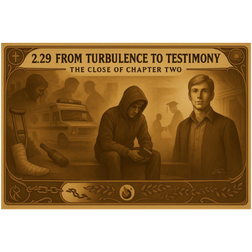
2.29 From Turbulence to Testimony - The close of "Liddle Did I Know" From Shadows to Light-My Story
Episode Notes: 2.29 From Turbulence to Testimony – The close of “Liddle Did I Know” Chapter two Summary: This episode serves as the emotional and thematic conclusion to the second act of David Liddle’s memoir, chronicling the journey from adolescent chaos to a place of faith, purpose, and self-acceptance. David reflects on the soundtrack of his youth—songs that echoed both his struggles and his transformation—and the pivotal moments that shaped his identity. The narrative centers on a turning point: a desperate prayer on a cold December night that marked the beginning of his spiritual rebirth. David describes how, in the aftermath of near-destruction, he embraced faith with the sincerity of a “born-again” teenager, finding structure, belonging, and a sense of forgiveness. This period of intense spiritual commitment brings him closer to his family, especially his sisters, and provides a foundation for the next phase of his life. The episode emphasizes that transformation is not a single event but a process—one that involves surrender, community, and the courage to step into the light after years in the shadows. Key Themes: The power of testimony and personal narrative Spiritual rebirth and the role of faith in healing The importance of family and reconciliation Music as a metaphor for emotional journey Transformation as a gradual, ongoing process Moving from chaos and survival to purpose and calling The closing of one life chapter and the anticipation of new beginnings Notable Moments: The significance of music in David’s adolescent experience The prayer that marked the start of his transformation Embracing faith and the “born-again” identity Reconnecting with family through shared spirituality Recognition of personal growth by school and community The realization that survival is not the end, but the prologue to a new life Reflections: David’s story closes with gratitude for the journey, acknowledgment of the pain and lessons of the past, and hope for the future. The testimony is not just about overcoming adversity, but about finding meaning, forgiveness, and a sense of calling that will guide him into adulthood.
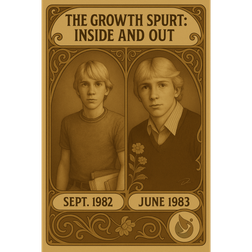
2.28 The Growth Spurt: Inside and Out
Episode Notes: Summary: This episode captures a period of profound transformation for David Liddle as he approaches high school graduation. After years of struggle, David experiences an “eleven-inch growth spurt” that symbolizes not just physical change, but emotional, intellectual, and social growth. The transformation is not a sudden miracle, but a slow, hard-earned process built on moments of survival, healing, and self-discovery. David’s grades improve, his behavior stabilizes, and he finds a sense of presence and purpose that had eluded him during his most turbulent years. Faith and community play a role in his recovery, as he reconnects with his sisters and finds healthier friendships. The episode highlights the importance of emotional regulation, intellectual engagement, and genuine social connection. David’s story is recognized by his principal as the “most transformed and improved student of the year,” but the real victory is internal—a newfound belief in his own future. Key Themes: Transformation and personal growth Emotional regulation and healing The impact of faith and community The importance of healthy relationships Overcoming adversity and trauma Recognition and self-worth The slow, invisible nature of real change Notable Moments: David’s physical growth spurt and its symbolic meaning Academic and behavioral improvements Reconnection with family and faith The principal’s public recognition of David’s transformation Reflections on the nature of growth and resilience Reflections: David’s journey shows that real change is rarely dramatic or immediate. It is earned through perseverance, self-reflection, and the support of others. The episode encourages listeners to recognize that growth can happen even when no one is watching, and that transformation is possible after years of struggle.
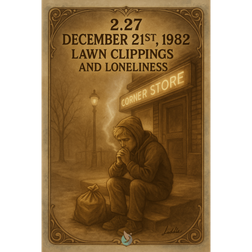
2.27 December 21st, 1982
This episode chronicles a pivotal moment in David Liddle’s journey from chaos to quiet self-discovery. After years of turbulence, David finds himself in a period of relative calm, working honest jobs like mowing lawns and experiencing the sting of transactional friendships that fade when he stops providing for others. On a cold December night, feeling isolated and rejected, David faces a quiet crisis of loneliness on the stoop outside Pucci’s corner store. Instead of succumbing to despair, he turns to prayer, asking for help to survive the night. The episode explores the dangerous nature of adolescent loneliness, both in the early 1980s and in the present day. David draws parallels between his own experience and the epidemic of teen loneliness and vulnerability in 2025, highlighting how overstimulation and underconnection can lead to risky behaviors and exploitation. He offers practical advice for parents and teens, emphasizing the importance of connection, presence, and small interventions that can save lives. The story closes with a message of hope: survival is possible, and the future holds gratitude for those who endure. Key Themes: Loneliness and isolation in adolescence The transition from chaos to quiet self-reflection The dangers of transactional relationships The power of honest work and small acts of survival Prayer and moments of self-preservation Modern parallels: digital loneliness, exploitation, and trafficking risks The importance of connection, presence, and parental support Hope and resilience Notable Moments: David’s realization of the emptiness of transactional friendships The cold, lonely night on Manor Avenue and the prayer that kept him from a destructive path Friends arrested for a crime David narrowly avoided Reflections on the epidemic of teen loneliness today Advice for parents: how to recognize warning signs and foster connection Reflections: David’s story is a reminder that the most dangerous crises are often invisible and quiet. Loneliness can be a silent predator, but connection—through honest work, prayer, and presence—can be the antidote. The episode encourages teens and parents to value belonging over performance and to recognize that survival is not just endurance, but transformation.
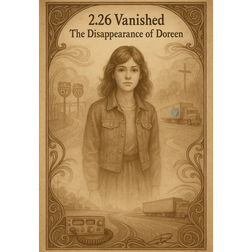
2.26 Vanished: The Disappearance of Doreen — A Brother’s Heart, Broken and Still Searching
Episode Notes — 2.26 Vanished: The Disappearance of Doreen This episode explores one of the most haunting and defining moments of my adolescence: the day my twin sister, Doreen, disappeared without a trace. It wasn’t just a family crisis — it was a fracture point. A moment when childhood was replaced by fear, uncertainty, and the realization that the world was far more dangerous than any of us wanted to believe. We revisit the emotional landscape of 1981 Cohoes, New York, where family dysfunction, social silence, and generational trauma collided. The episode also reflects on the remarkable network of long-haul truckers who mobilized across state lines to help bring Doreen home — grassroots, CB-radio-powered rescue effort that reminds us of the compassion strangers can show when a family is in crisis. This chapter also includes a modern reflection for parents, using the most recent data on child trafficking and runaway youth. Today’s dangers look different, but the emotional vulnerabilities remain the same: the desire to belong, the pressure to perform, the hunger to escape, and the silence that too often hides a child’s suffering. For parents, educators, and guardians, this episode offers a cautionary tale — not to frighten, but to illuminate. Connection matters. Conversation matters. Presence matters. And sometimes, the difference between recovery and tragedy is simply one adult paying attention. Finally, this episode includes a personal message to my sisters, Doreen and Debbie, with whom I’ve been estranged since 2020. If this story ever reaches them, I hope they hear not just the facts of the past, but the truth of my heart today: I miss you both. I love you both. And my door — and my life — are open.
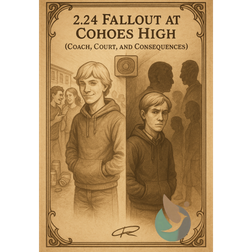
2.24 Fallout at Cohoes High
Episode Notes The consequences of David’s actions in Wynantskill follow him back to Cohoes High, where his reputation as “Coach” shifts from legend to liability. Teachers and students view him with suspicion or caution, and his nickname becomes associated with trouble, not just popularity. Academic performance suffers as detentions and suspensions accumulate, and community service becomes a public reminder of his mistakes. Friendships become transactional, with peers seeking him out for parties or drugs rather than genuine connection. The chapter explores the ripple effects of adolescent choices, the isolation that can come with notoriety, and the realization that popularity does not equal safety or belonging.
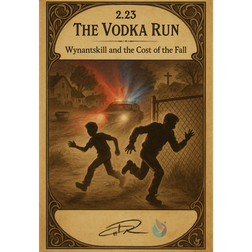
2.23 The Vodka Run
Episode Notes After surviving a near-fatal overdose, David quickly returns to risky behaviors, including drinking, stealing, and seeking validation through his reputation as “Coach”. A weekend bus ride with Connie Smith and Stevie Welcome leads to a vodka-fueled adventure in Wynantskill, culminating in the theft of beer from a convenience store and a dramatic police chase. David takes the blame for the theft to protect his friend, resulting in probation, community service, and further entrenchment of his “Coach” persona. The consequences of his actions include court dates, fines, and hours of community service, but also a dangerous sense of invincibility and strength. The chapter explores themes of adolescent risk-taking, loyalty, the cost of reputation, and the illusion of resilience in the face of repeated consequences.
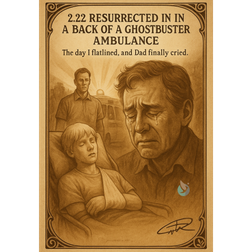
2.22 Resurrected in the Back of a Ghostbuster Ambulance
Episode Notes After a period of escalating substance use and risky behavior, David’s sophomore year culminates in a near-fatal alcohol overdose on the last day of summer school. [David Lidd...Manuscript | Word] He collapses during a final exam, is dragged to the principal’s office, and flatlines—requiring resuscitation and emergency transport in a hearse-like “Ghostbuster” ambulance. [David Lidd...Manuscript | Word] The experience is a turning point: David’s father, usually stoic and emotionally distant, is seen crying at his bedside, revealing a depth of love and concern that David had never witnessed before. [David Lidd...Manuscript | Word] The aftermath brings no instant epiphany, but the event cracks open David’s emotional armor and plants the seed for change and self-reflection. [David Lidd...Manuscript | Word] The chapter explores themes of mortality, family, vulnerability, and the possibility of transformation after crisis. [David Lidd...Manuscript | Word]
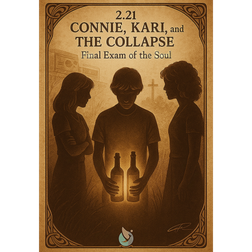
2.21 Connie, Kari, and the Collapse
Episode Notes David’s sophomore year centers on his relationships with Kari DeCarlo and Connie Smith, who become the gravitational forces of his social world. The chapter explores the intensity and confusion of adolescent desire, the pursuit of connection, and the influence of generational culture—music, parties, and rebellion. David and his friends engage in risky behavior, including stealing alcohol from a neighbor’s basement bar and hiding it for future parties. The pressure to impress and belong leads to escalating substance use, culminating in a three-day binge just before a crucial summer school exam. The narrative highlights the gap between fantasy and reality, the dangers of addiction, and the emotional toll of trying to maintain status and relationships during adolescence.
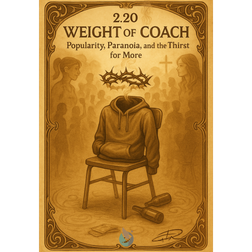
2.20 The Weight of Coach
David’s “Coach” persona becomes a defining brand at Cohoes High, bringing popularity, attention, and the pressure to deliver weed, parties, and social currency. David Liddle Biography Manuscript The illusion of invulnerability fades as the demands of reputation lead to increased alcohol use and feelings of emptiness and paranoia. David Liddle Biography Manuscript Relationships become transactional, with friends and peers seeking what David can provide rather than genuine connection. David Liddle Biography Manuscript Despite the hollow nature of popularity, sparks of hope and connection appear through friendships with Kari DeCarlo and Connie Smith. David Liddle Biography Manuscript The chapter explores the burdens of adolescent identity, the cost of maintaining a persona, and the search for authenticity beneath the surface of high school life
1 of 6