Geordie Film's Class
by Nathan LunnSeason 1
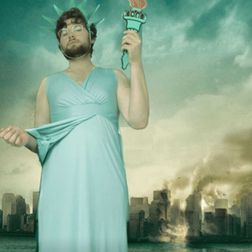
This episode, we are grabbing our cameras, pointing them at the sky and reflecting on the cinematic impact that 9/11 had on the contemporary American blockbuster - highlighting Cloverfield as the strongest example of allegorical representation that truly tackles this difficult issue. Coherence, Cannibals and Chainsaws
This episode, you have found us at a very strange time in our lives, where we are going to be talking about absolutely nothing at all. First rule aside, we can begin to explore the foundations of Marxist Film Theory, then spend the latter half of the podcast discussing how this explicitly relates to Fight Club, all co-hosted by our resident card-carrying communist. Found-Footage and True Cinematic Verisimilitude
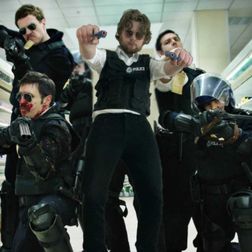
Edgar Wright’s Transnational Comedy
This episode, we explore the wild lands and buried history of the English countryside as we chart the development of British Folk Horror, outline what exactly connects the 'Unholy Trinity', and take a venture down a dangerous, haunted countryside lane. Toon class is now in session.