Workplace Intelligence

Workplace Intelligence

di Sheryl Butchin
Stagione 1
Leading Through Change: Executive Coaching Insights with Jessica Sisto
IA
Podcast Summary In this episode, Sheryl Butchin welcomes Jessica Sisto, Executive Coach and Co-Founder of Flourish Consulting, to discuss what today's leaders need most to succeed in an environment defined by constant change, disruption, and uncertainty. Jessica shares practical strategies for developing stronger leaders, building high-performing teams, improving trust, and creating cultures where people can thrive. The conversation explores self-awareness, motivation, emotional fluency, mindfulness, and why lasting leadership transformation always starts from the inside out. Key Topics Leading through uncertainty, disruption, and burnout Why self-awareness is the foundation of leadership Understanding employee motivation beyond behavior Building trust and psychological safety Emotional fluency and mindful leadership Creating high-performing, collaborative teams Courageous conversations that strengthen relationships Leadership development that creates lasting organizational change Key Takeaways Great leadership begins with understanding yourself before leading others. Motivation drives performance more effectively than behavior alone. Trust, transparency, and psychological safety create stronger teams. Mindfulness helps leaders respond thoughtfully instead of reacting emotionally. Sustainable leadership development requires continuous practice, not one-time events. Final Thoughts Leadership has never been more demanding, but it has also never offered greater opportunities for growth. Jessica Sisto reminds us that the most effective leaders are those who remain curious, communicate with authenticity, and intentionally invest in themselves and their teams. Organizations that prioritize trust, self-awareness, and meaningful leadership development are better equipped to navigate change and achieve long-term success. Hashtags #Leadership #ExecutiveCoaching #LeadershipDevelopment #TeamDevelopment #EmotionalIntelligence #OrganizationalDevelopment #ExecutiveLeadership #WorkplaceCulture #BusinessLeadership #WorkplaceIntelligence
Compassion Meets Experience: Legal Insights with Whitney Pennington
Podcast Summary In this episode, Sheryl Butchin speaks with Whitney Pennington, Founder and Managing Attorney of Pennington Law Firm LLC, about guiding individuals and families through some of life's most difficult legal challenges. Whitney shares how compassion, active listening, clear communication, and realistic expectations help clients navigate divorce, custody, and family law matters with greater confidence. Drawing on more than a decade of experience, she explains why understanding each client's unique circumstances is just as important as understanding the law. Key Topics Creating a client-centered legal experience Building trust during emotional legal situations Why listening is the foundation of effective legal counsel Balancing compassion with honest legal advice The importance of setting expectations early Understanding how different courts and judges approach legal matters Helping clients make informed decisions during difficult transitions Final Thoughts Legal representation is about more than court filings and legal strategy. It is about helping people navigate some of the most challenging moments of their lives with confidence, clarity, and compassion. Whitney Pennington demonstrates how empathy, preparation, and honest communication create stronger client relationships and better outcomes when they matter most. Hashtags #LegalLeadership #LegalProfession #ClientExperience #DivorceAttorney #ChildCustody #WomenInLaw #Leadership #Communication #WorkplaceIntelligence #Attorney
Building Stronger Organizations and Leadership Excellence with Lisa Coppola
IA
Analyze Content type: Interview Primary goal: Educational / Leadership & Business Growth Main topics: Leadership qualities, risk management, delegation, fostering organizational culture, women in leadership Length: Approximately 30 minutes Building Stronger Organizations and Leadership Excellence with Lisa Coppola In this episode, Lisa Coppola, founder of Coppola Law Firm and advocate for women in business, shares invaluable insights on how leaders can cultivate resilient organizations, embrace delegation, and foster an inclusive, compliant culture. Whether you're looking to scale your business or elevate your leadership game, Lisa's expertise offers actionable strategies to succeed. Key topics - 5-10 bullets The importance of early policies and compliance from day one in business Building a risk management ecosystem with legal, banking, and insurance expertise Common pitfalls during early business growth and how to avoid them The role of standard operating procedures and clear policies in sustainability Effective delegation practices to free up time for strategic growth How leaders can use compliance as a tool to create healthier organizations Qualities that differentiate great leaders from competent managers, including emotional intelligence The significance of authenticity, presence, and relationship-building in leadership Mentorship versus sponsorship—why both are essential for women advancing in business The value of maintaining a list of unknowns to foster continuous growth Timestamps 8:15 - Closing thoughts and gratitude from Lisa Coppola Resources & Links Coppola Law Firm National Association of Women Business Owners (NAWBO) Leadership and Emotional Intelligence Frameworks (Amazon Link) Connect with Lisa Coppola LinkedIn Twitter
Building High-Performing Remote Teams with Diane Prince
IA
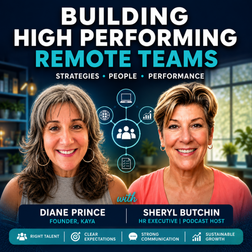
Podcast Summary In this episode, Sheryl Butchin speaks with Diane Prince, Founder of Kaya, about how offshore staffing has evolved into a strategic business solution. Diane explains why success depends on hiring the right talent, setting clear expectations, investing in onboarding, and maintaining strong communication. She also shares how AI is enhancing global teams while reinforcing the importance of leadership and employee development. Podcast Highlights The business advantages of offshore staffing beyond cost savings. Choosing the right roles for remote talent. Why onboarding determines long-term success. Building trust through communication and accountability. Using AI to support, not replace, employees. Creating remote teams that grow with the business. Key Takeaways Hire for outcomes, not just job titles. Invest time during the first 90 days. Set clear expectations from the beginning. Empower employees to make decisions. Strong leadership creates successful remote teams. Final Thoughts Offshore staffing is most successful when leaders treat remote employees as valued members of the organization. Clear communication, thoughtful onboarding, and ongoing support create stronger teams, better performance, and sustainable business growth. Hashtags #RemoteWork #GlobalWorkforce #Leadership #BusinessGrowth #OffshoreStaffing #PeopleLeadership #TalentStrategy #FutureOfWork #HumanResources #AI
Inside Legal Executive Search with Mary Clare Garber
Finding the right legal executive is about much more than filling an open position. It requires understanding business strategy, organizational culture, leadership style, and the specialized legal expertise needed to help an executive team succeed. In this episode, Sheryl Butchin sits down with Mary Clare Garber, Principal of Princeton Legal Search Group, to explore why companies continue to rely on specialized executive search firms when hiring General Counsel and other senior legal leaders. Mary Clare explains the differences between retained and contingent search, why legal recruiting requires deep subject matter expertise, and how experienced search professionals identify passive candidates who may never apply through traditional recruiting channels. The conversation also explores confidentiality, cultural fit, and why selecting the right legal leader can strengthen the entire executive leadership team. Show Notes In this episode, you'll learn: Why legal executive search requires specialized expertise beyond traditional recruiting. The business advantages of retained executive search versus contingent recruiting. How executive search firms identify and engage passive candidates. Why legal specialization matters when recruiting General Counsel and senior legal executives. How executive recruiters evaluate organizational culture alongside technical qualifications. The importance of confidentiality throughout the executive search process. Why relationships built over many years create access to exceptional executive talent. How executive search firms become strategic advisors throughout the hiring process. The value of aligning legal leadership with business strategy and executive goals. Why selecting the right legal executive strengthens the entire leadership team. Key Takeaways Executive legal recruiting requires specialized industry knowledge. Retained search creates greater accountability, communication, and partnership throughout the hiring process. The strongest candidates are often passive professionals who are not actively searching for new opportunities. Technical expertise alone is not enough. Leadership style, business acumen, and cultural fit are equally important. Confidentiality protects both organizations and executive candidates during complex searches. Long-term professional relationships help organizations access talent unavailable through traditional recruiting methods. The right General Counsel becomes a strategic business advisor, not simply the company's lead attorney. Final Thoughts Successful executive recruiting is about building leadership teams, not simply filling vacancies. Organizations that invest the time to identify leaders who possess the right experience, judgment, business perspective, and cultural alignment position themselves for stronger decision-making and long-term success. As Mary Clare explains, executive legal search is ultimately about helping companies find leaders who strengthen the business as a whole. Hashtags #LegalLeadership #ExecutiveSearch #GeneralCounsel #LeadershipHiring #TalentStrategy #ExecutiveRecruiting #LegalRecruiting #BusinessLeadership #CorporateCounsel #LeadershipDevelopment #ExecutiveSearchFirm #HiringStrategy #LegalCareers #Leadership #BusinessGrowth
Leading Through Change: Building Culture, Communication, and Trust with Leslie Wingo
What makes a workplace culture thrive in an era of remote work, artificial intelligence, and constant change? In this episode, Sheryl Butchin welcomes ****, President of Sanders\Wingo, to discuss how organizations can build stronger cultures by improving communication, embracing different perspectives, and developing the human skills technology cannot replace. Leslie shares how her agency has evolved from a traditional advertising firm into a strategic communications company serving clients across the United States. She explains why culture is constantly evolving, why storytelling remains one of the most powerful business tools, and why organizations must intentionally develop communication, trust, and collaboration as technology continues to transform the workplace. The discussion also explores the growing importance of soft skills, hiring adaptable employees with diverse capabilities, and creating workplaces where people feel valued, heard, and connected. Show Notes In this episode, you'll learn: Why culture is constantly evolving and why leaders must evolve with it. How storytelling creates stronger brands, stronger teams, and stronger customer relationships. The impact remote work has on communication and organizational culture. Why soft skills are becoming a competitive business advantage in the age of AI. How difficult conversations strengthen teams and improve performance. What "unicorn" employees look like and why adaptability is more valuable than ever. The importance of hiring people who continuously learn and expand their skills. Why kindness is different from simply being nice in the workplace. How trust, communication, and healthy relationships create long-term business success. Why organizations that embrace different perspectives build stronger businesses. Key Takeaways Technology should enhance human relationships, not replace them. Great leaders build cultures where people communicate openly and respectfully. Soft skills remain essential for leadership, customer relationships, and collaboration. Diverse perspectives improve creativity, innovation, and decision making. Employees who continuously learn become invaluable assets to growing organizations. Trust is built through honest communication and consistent actions. Strong workplace culture directly influences employee engagement, client relationships, and business growth. Final Thought As technology continues to reshape how organizations operate, the companies that succeed will be those that never lose sight of the human side of business. Communication, trust, adaptability, and authentic relationships remain the foundation of exceptional leadership and lasting organizational success. Hashtags #Leadership #WorkplaceCulture #Communication #BusinessLeadership #SoftSkills #EmployeeEngagement #OrganizationalCulture #TrustInLeadership #FutureOfWork #MarketingLeadership #BusinessGrowth #ExecutiveLeadership
Rolling Strong with Crystal Lee Laramore: Restoring Freedom, One Warrior at a Time
In this inspiring episode, Sheryl Butchin sits down with Crystal Lee Laramore, founder and executive director of Wheelchairs for Warriors, to discuss how a deeply personal calling led to the creation of an organization that is transforming the lives of injured veterans and first responders. Crystal shares her journey from working in Baghdad, Iraq, to recognizing the gaps in care faced by wounded warriors back home. She explains why mobility is about far more than a wheelchair—it's about dignity, independence, mental health, purpose, and hope. Listeners will hear powerful stories of resilience, the importance of adaptive sports, and why no hero who sacrificed for our country should ever be left behind. Key Topics Discussed • The story behind Wheelchairs for Warriors How Crystal's experiences and family legacy of service inspired her mission. • The hidden challenges faced by wounded veterans and first responders Why many heroes still struggle to obtain the mobility equipment they need. • Restoring dignity and independence How custom-built wheelchairs dramatically improve quality of life. • Adaptive sports and mental wellness Why camaraderie, purpose, and competition help combat isolation and depression. • The true cost of mobility Understanding why custom wheelchairs average approximately $10,000 and adaptive sports chairs can cost even more. • Building a legacy of service Crystal's faith, leadership philosophy, and commitment to ensuring that "No Warrior Is Left Behind." • How individuals and businesses can support the mission Ways to donate, sponsor programs, and become involved. About Crystal Lee Laramore Crystal Lee Laramore is the founder and Executive Director of Wheelchairs for Warriors, a nonprofit organization founded in 2016 that provides custom-fit mobility solutions to veterans and first responders injured in the line of duty. Inspired by her family's long history of military service and her own experience serving in Baghdad, Iraq, Crystal has dedicated her life to restoring freedom, dignity, and independence to America's heroes. Connect with Crystal Lee Laramore and Wheelchairs for Warriors Website Wheelchairs for Warriors Executive Director Crystal Lee Laramore 📞 Phone: 936-777-4548 📧 Email: Crystal@WheelchairsForWarriors.org Mailing Address 2810 U.S. Hwy 190 West, Suite 100 PMB 552 Livingston, TX 77351 Follow Wheelchairs for Warriors LinkedIn Instagram Facebook Memorable Quote from Crystal "When my country needed me, I showed up. Now I need my country." Hashtags #CrystalLeeLaramore #WheelchairsForWarriors #Veterans #FirstResponders #MilitaryCommunity #AdaptiveSports #VeteranSupport #ServiceBeforeSelf #Leadership #NonprofitLeadership #GivingBack #MobilityMatters #RollStrong #CommunityImpact #SupportOurVeterans #SherylButchinPodcast #PodcastInterview #PurposeDrivenLeadership #NoWarriorLeftBehind #FaithFamilyCountry
Executive Coaching with Nazma Rosado
IA
Executive Coaching: The Difference Between Experience, Leadership, and True Executive Readiness Podcast Summary What separates a strong leader from someone who is truly ready for executive coaching or the C-suite? In this episode, executive transformation consultant and leadership author shares insights from her Executive Coaching Readiness Assessment and explains why coaching has evolved from a corrective measure into a powerful development tool for high-performing professionals. Nazma discusses the difference between coaching, mentoring, consulting, and training, and why executive coaching requires a unique combination of business experience, emotional intelligence, active listening, and behavioral insight. She explores how leaders can identify blind spots, understand the gap between intent and impact, and determine whether they are truly prepared for greater executive responsibility. The conversation also examines how leadership expectations have changed in today's workplace, including the impact of hybrid work, multigenerational teams, technology, and artificial intelligence. Nazma shares practical advice for professionals considering executive coaching and for those interested in becoming executive coaches themselves. Whether you are an emerging leader, HR executive, business owner, or seasoned executive, this episode offers valuable guidance on leadership growth, executive presence, and personal development. Key Takeaways • Executive coaching is no longer a corrective action. It is a strategic development tool for high performers. • Leadership readiness is measured by both skills and behaviors. • Intent does not always equal impact. Self-awareness is critical for executive success. • Effective executive coaches rely on emotional intelligence, active listening, and real-world business experience. • Executive coaching helps leaders uncover blind spots and accelerate growth. • The rise of AI, hybrid work, and changing workforce expectations requires leaders to become more adaptable than ever. • The best coaches guide discovery rather than provide all the answers. Final Thought Leadership is not about having all the answers. It is about creating the awareness, perspective, and confidence needed to navigate increasingly complex challenges. Executive coaching can help leaders uncover what is holding them back and identify what is needed to move forward with greater impact and effectiveness.
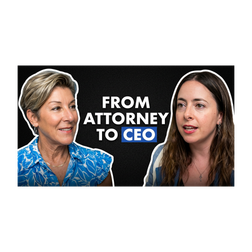
From Attorney to CEO: Leona Krasner's 5-Step Framework for Building a Thriving Law Firm
Podcast Summary What does it take to move from practicing law to leading a successful law firm? In this episode, Sheryl Butchin sits down with Leona S. Krasner, Founder and Managing Partner of Krasner Law PLLC, to discuss the mindset, leadership, and business strategies required to become a true law firm CEO. Leona shares her proven five-step framework for building and scaling a successful firm, including developing a clear vision, hiring the right people, establishing meaningful performance metrics, and creating strategic quarterly initiatives that drive long-term growth. The conversation explores the often-overlooked transition from technical expert to business owner, emphasizing the importance of delegation, culture, accountability, and intentional leadership. Whether you are launching a new practice or growing an established firm, this episode offers practical guidance for creating a business that can thrive without depending on the founder for every decision. Key Takeaways • Develop a clear vision for your firm before building systems and processes. • Define what success looks like personally and professionally. • Create a vivid vision that guides decisions during both opportunities and challenges. • Hire for culture and values, not just technical skills. • Use practical assessments during interviews to evaluate real-world capabilities. • Establish measurable performance indicators so employees understand expectations. • Track business development activities and networking efforts consistently. • Focus on a small number of strategic quarterly projects that move the business forward. • Invest in client and referral relationships through intentional recognition and appreciation. • Delegate effectively to create a business that can grow beyond the founder. Discussion Highlights Mindset shifts required to become a CEO Creating a vivid vision for long-term success Building a team and learning to delegate Interviewing and hiring for culture fit Performance metrics that drive accountability Strategic quarterly goals and business growth Leveraging technology and CRM systems Referral relationship management Leadership lessons from growing multiple law firms Final Thoughts Leona's message is simple but powerful: successful law firms are built intentionally. Attorneys who want to grow beyond practicing law must learn to think like CEOs by creating a vision, building strong teams, measuring performance, and staying focused on strategic priorities. The firms that scale successfully are those led by individuals willing to transition from doing the work to leading the business.
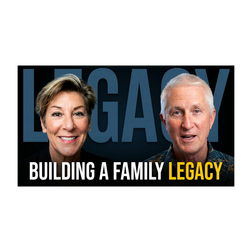
Building a Family Legacy: Family Offices, Dynasty Trusts, and Multi-Generational Wealth with Rick Durfee
What does it really take to create wealth that lasts for generations? In this episode, Sheryl Butchin sits down with estate planning and asset protection attorney Rick Durfee to explore the world of family offices, dynasty trusts, asset protection, and long-term family legacy planning. Drawing on more than three decades of experience, Rick explains why traditional estate planning often focuses too heavily on assets and not enough on the people who inherit them. The conversation dives into how families can build structures that protect wealth, reduce taxes, develop future leaders, and avoid creating generations dependent on inherited money. Rick also shares why successful wealth preservation requires more than legal documents. It requires intentional education, responsibility, and a long-term vision for family continuity. Key Takeaways What a family office is and why it is not reserved for billionaires How family offices can help families maintain control while protecting assets The relationship between family offices, family banks, and dynasty trusts Why outsourcing all financial management can weaken future generations Strategies for developing productive heirs instead of dependent beneficiaries How dynasty trusts help preserve wealth across multiple generations The importance of teaching financial stewardship through experience and responsibility Why family continuity and succession planning are critical to long-term wealth preservation Rick's perspective on building a legacy that extends beyond money and focuses on family sustainability Memorable Insights "The goal is not to create heirs who live off the previous generation's success. The goal is for each generation to create wealth, contribute to the family legacy, and make it stronger." "The family office controls everything but owns very little, creating both protection and flexibility." "For a family dynasty to work, there has to be a family." About the Guest Rick Durfee is the founder of Durfee Law Group, a law firm based in Mesa, Arizona, focused on estate planning, asset protection, business structuring, family offices, and dynasty planning. With a unique background that includes teaching world religions before entering law, Rick brings a human-centered approach to helping families preserve both their wealth and their relationships across generations. Who Should Listen Business owners Entrepreneurs Family business leaders Financial advisors Estate planning professionals Anyone interested in building a lasting family legacy Connect with Rick Durfee Website: Durfee Law Group, https://www.durfeelawgroup.com Final Thoughts Building wealth is one challenge. Preserving it across generations is another. This episode explores how intentional planning, education, governance, and family values can work together to create a legacy that lasts far beyond a single lifetime. Whether you are building a business, protecting assets, or thinking about your family's future, Rick offers valuable insights into the structures and strategies that support long-term success. Enjoyed the episode? Subscribe, share with your network, and connect with Sheryl Butchin for more conversations on leadership, business strategy, talent, and building sustainable success.

1 di 2