ExecBook Bites - Powerful Ideas, Delivered in Minutes.

ExecBook Bites - Powerful Ideas, Delivered in Minutes.

di Execkart.com
Stagione 1

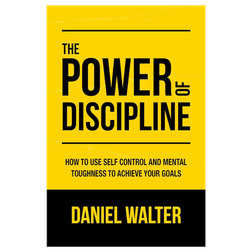
"The Power of Discipline" by Daniel Walter

Synopsis "The Power of Discipline" by Daniel Walter focuses on developing self-discipline to achieve personal and professional success. The book explains how discipline acts as a key differentiator between those who achieve their goals and those who don't. Through practical advice and strategies, Walter shows readers how to build habits that foster discipline, enabling them to push past procrastination, resist temptations, and maintain focus on their objectives. The book explores psychological principles and real-life examples to illustrate the transformative effects of disciplined behavior. Ultimately, Walter encourages readers to harness the power of discipline to create lasting positive changes in their lives.

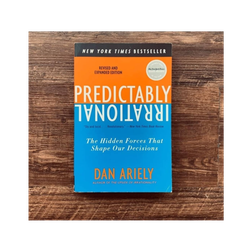
Predictably Irrational

synopsis: "Predictably Irrational" delves into the peculiarities of human behavior, highlighting how people often make irrational decisions in systematic ways. Dan Ariely, a behavioral economist, explores the hidden forces behind these decision-making patterns and explains why traditional economic theories, which assume rational choices, often fall short. Through engaging experiments and stories, Ariely reveals the invisible influences that drive our choices, such as emotions, social norms, and expectations. The book covers various aspects of everyday life, from consumer behavior to personal finance, and shows how understanding these irrationalities can lead to better decision-making.

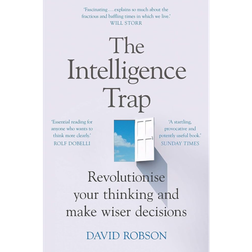
The Intelligence Trap-David Robson

Synopsis: "The Intelligence Trap" explores the paradox that intelligent people can often make seemingly foolish decisions. Robson delves into cognitive biases, the limitations of intelligence, and how traditional notions of IQ may not necessarily predict success. He argues that being smart can sometimes lead to overconfidence, closed-mindedness, and ultimately, poor decision-making. The book draws from psychology, neuroscience, and historical examples to demonstrate these ideas. Robson suggests that critical thinking skills, emotional intelligence, and a more flexible mindset are essential.

Think Again by Adam Grant

Synopsis: "Think Again" by Adam Grant encourages readers to question their current thinking patterns and embrace the power of rethinking. It emphasizes the importance of constantly updating our knowledge and ideas, just like upgrading phone apps. The book uses engaging stories and research to show that flexibility in our thinking can lead to better decision-making and more successful outcomes in life. Grant identifies common cognitive biases that hinder our ability to rethink and shows ways to overcome them.

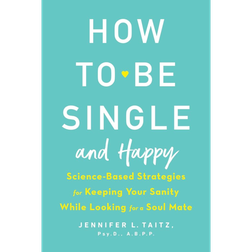
How to Be Single and Happy

Synopsis: "How to Be Single and Happy" by Jennifer Taitz is a guide designed for those who are single and seeking fulfillment and happiness in their lives. The book combines advice from psychology, practical exercises, and insights to help readers find contentment while single. Taitz challenges the notion that happiness is tied to a romantic relationship, emphasizing instead self-growth and self-worth. She explores common pitfalls single people face, like societal pressures or the longing for a partner, and offers strategies to overcome them. Emphasis is placed on living authentically and embracing one's interests and passions. The book encourages readers to focus on their mental health and create a fulfilling life regardless of relationship status. Taitz provides actionable steps to build confidence, find joy in everyday moments, and cultivate meaningful connections with others. Through personal stories and professional experience, she provides reassurance and positivity. Ultimately, "How to Be Single and Happy" empowers readers to live a joyous single life, filled with purpose and potential.

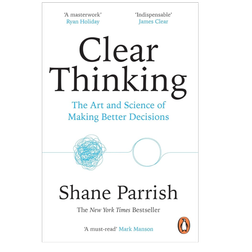
"Clear Thinking" by Shane Parrish

"Clear Thinking" by Shane Parrish provides insights into improving mental clarity and decision-making through the use of mental models. In this book, Parrish explores how cognitive tools can help individuals navigate complex information and make more informed decisions. He emphasizes the importance of recognizing and overcoming cognitive biases that cloud judgment. The book outlines practical strategies for applying mental models to problem-solving in both personal and professional contexts. Parrish draws on interdisciplinary research to explain how these models offer a structured thinking approach.

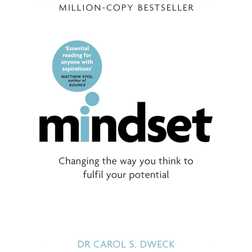
Mindset: The New Psychology of Success

"Mindset: The New Psychology of Success" by Carol S. Dweck explores the powerful influence of having either a fixed or growth mindset. A fixed mindset means believing that abilities are static and unchangeable. On the other hand, a growth mindset is the belief that skills and intelligence can be developed through dedication and hard work. The book highlights how these mindsets impact various aspects of life, including education, business, sports, and personal relationships. Dweck uses research studies to demonstrate how adopting a growth mindset can foster motivation, productivity, and achievement. Real-life examples illustrate how people with a growth mindset embrace challenges, learn from criticism, and persist despite setbacks.

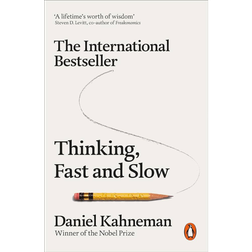
"Thinking, Fast and Slow" by Daniel Kahneman

Synopsis: "Thinking, Fast and Slow" by Daniel Kahneman delves into the dual systems of thought that drive our decisions. System 1 is fast, intuitive, and emotional, while System 2 is slower, more deliberative, and more logical. Kahneman, a Nobel laureate, explores how these systems shape our judgments and decisions. He illustrates how cognitive biases can lead to errors in thinking, even when we believe we're making rational choices. The book reveals the complexity of human thinking and discusses the influence of both systems on various aspects of life, including economics, business, and personal interactions. Through detailed research and real-world examples, Kahneman offers insights into improving decision-making skills. He explains concepts like heuristics, overconfidence, and loss aversion, providing tools to recognize and mitigate biases. The book also highlights the importance of understanding human psychology in enhancing well-being and societal outcomes. In essence, the book provides a comprehensive examination of human cognition and its implications.
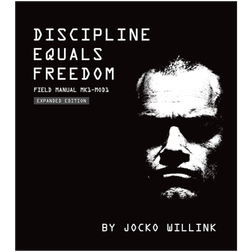
"Discipline Equals Freedom" - Jocko Willink

Synopsis: "Discipline Equals Freedom" is a self-help book by former Navy SEAL Jocko Willink. It is a guide to cultivating mental and physical discipline to achieve personal freedom and success. Jocko delves into topics like motivation, focus, mindset, and physical fitness. He emphasizes that personal discipline is the foundation of achievement in any area of life. The book is written in a direct, no-nonsense style, echoing Jocko's military background. Each section is designed to motivate and inspire readers to prioritize discipline in their daily lives. Jocko stresses the importance of overcoming excuses and taking responsibility for one's actions. Through anecdotes and practical advice, he provides strategies to help readers instill discipline into their routines. The ultimate message of the book is that discipline is the key to unlocking personal growth and freedom. With this discipline, you can overcome challenges, improve yourself, and live life on your terms.

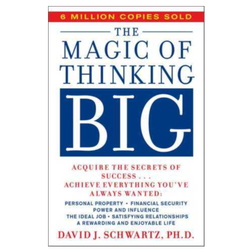
The Magic of Thinking Big-David J. Schwartz - Book Summary

Synopsis: "The Magic of Thinking Big" by David J. Schwartz is a self-help book that encourages readers to set their sights higher to achieve greater success in life. Schwartz argues that the size of one's success is determined by the size of their dreams and the mindset they maintains. The book provides practical advice on building confidence, eliminating doubts, and motivating oneself toward higher goals. Through various anecdotes and examples, Schwartz demonstrates how a positive and expansive mindset can transform one's career, relationships, and self-esteem. He delves into the power of belief, stressing that believing in oneself is crucial for success. Schwartz also discusses overcoming fear, improving attitudes, and thinking creatively. The book is structured to help readers develop habits and thought patterns that foster bigger and better thinking. Ultimately, it emphasizes that by thinking big, people can achieve more than they ever imagined.
5 di 7