Unveiling Jesus Christ

Unveiling Jesus Christ

di John Cassinat
Stagione 2

[§27] Rev 2:24-25: The Burden of the Faithful Is to Hold Fast
This podcast explains and interprets the vision of John the Revelator in Revelation 2:24-25. These verses are a continuation of John’s letter to the saints in Thyatira, including the rest of the saints that did not engage in and know the doctrine of Jezebel—which is called the “depths of Satan by Jesus Christ. The saints are told that they shall have no other burdens placed upon them than what they have already been asked to do, which is to abstain from fornication, idol worship, and meats offered to idols. In short, their burden is to hold fast to the gospel and not to the dogmas to Jezebel, the Gnostics, the Nicolaitans, or the doctrine of Balaam. The saints are to hold fast “till I come” as an admonition to endure to the end. Revelation 2:24: 00:01:45 Revelation 2:25: 00:35:21

[§26] Rev 2:20-23: “Jezebel” and Great Tribulation
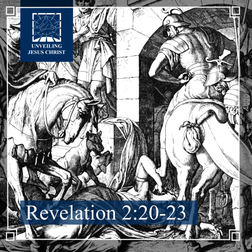
This podcast explains and interprets the many symbols found in Revelation 2:20-23. These verses describe the condemnations of Christ upon the saints in the ancient church of Thyatira. He condemns them because they allowed a woman named Jezebel, who calls herself a prophetess, to seduce church members to commit fornication, and to eat things sacrificed to idols. She is in everyway the antitype for the woman named Jezebel in the Old Testament that was married to king Ahab and caused all of Israel to worship idols. Christ threatens Jezebel of Thyatira with destruction with all her followers, just as Jezebel of old was destroyed together with her family. As with Jezebel, the Lord knows our “reins and hearts” (innermost feelings) and has promised to give to everyone according to our works. Revelation 2:20: 00:01:31 Revelation 2:21: 00:38:04 Revelation 2:22: 00:46:41 Revelation 2:23: 01:01:05

[§25] Rev 2:18-19: Commendations to the Saints in Thyatira
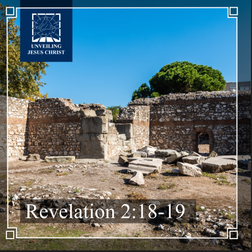
This podcast discusses and explains the content of the verses in Revelation 2:18-19. These verses are part of John’s fourth letter to the church at Thyatira and they contain the commendations of Christ to the saints in that City. The Thyatirans were commended for their improved works of charity, service, faith, and patience in a city where the worship of the sun god Apollo was prevalent. To counter this pagan influence, Christ addressed himself to the Thyatiran saints as the Son of God. He also described his omniscience and power over paganism as one who “hath his eyes like unto a flame of fire, and his feet are like fine brass.” Revelation 2:18: 00:02:15 Revelation 2:19: 00:25:26

[§24] Rev 2:17: The New Name Is a Key Word

This podcast discusses and explains the new name written on the white stone in Revelation 2:17 that exalted men and women receive as part of the temple endowment. This new name is the key word that worthy people receive and which is necessary to be able to walk by the angels who stand as sentinels at the portals of heaven. This podcast discusses the use of new names for people in the scriptures as part of life changing events. The new name always accompanies some form of new birth, rebirth or changed conditions in the life of the person receiving the new name. This podcast also discusses the origin of the key words used in the temple today from the writings of Abraham including specifically Facsimile 2 found in the Book of Abraham, chapter 3.

§22] Rev 2:17: The Hidden Manna Represents Eternal Life
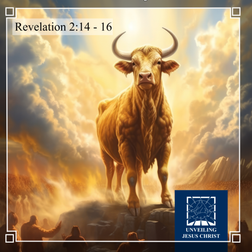
This podcast explains the content and meaning of the hidden manna in Revelation 2:17. This verse is addressed to the saints in Pergamos who were guilty of compromising their standards by eating meats sacrificed to idols. The hidden manna foreshadows Christ as the bread of life and stands as an opposite image of the meat of idols that offers no life whatsoever.

[§21] Rev 2:14-16: A Call to Repent for Idol Worship
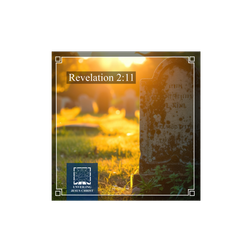
This podcast discusses and explains Revelation 2:14-16, where the Lord condemns the saints of Pergamos for the reasons described in these verses. The saints in Pergamos were guilty of compromising their standards, which the Lord describes as the doctrine of Balaam. This is a metaphorical reference to a Midianite prophet who used his prophetic gift for monetary profit. He taught Balak, the Moabite king, that Israel could be defeated if the Moabites befriended the Israelites and caused them to sin. Balak did so and this became a stumbling block for the Israelites who then committed grosser sins than just befriending the Moabites, including idol worship and fornication. The saints in Pergamos were also condemned for tolerating the doctrine of the Nicolaitans. Christ commands them to repent of be destroyed by the sword of his mouth. Revelation 2:14: 00:01:19 Revelation 2:15: 00:49:08 Revelation 2:16: 00:51:18

Rev 2:11: [§19] Saints Won’t Be Hurt by the Second Death
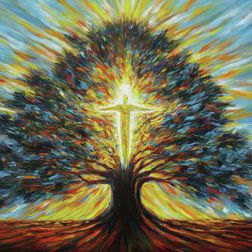
This podcast is a description and explanation of John’s vision in Revelation 2:11. This verse is a continuation of John’s letter to the saints in Smyrna. They were promised that if they overcame they would “not be hurt of the second death.” This podcast explains what is meant by the words “second death” as distinguished from various degrees of spiritual death.

Rev 2:7: [§17] Those That Overcome Eat from the Tree of Life

This podcast discusses, explains and interprets the prophecies of John the apostle found in Revelation 2:7. This verse directed the ancient Ephesian saints to listen and hearken to the words of John’s prophecy with the promise that those who overcame the world of sin would be given to eat of the tree of life in the midst of the paradise of God. This podcast discusses the epiphone “he that hath an ear…” as well as other topics of interest, including the Spirit of the Holy Ghost, what it means to overcome, and the tree of life.

Rev 2:8-10: [§18] The Saints Will Suffer Severe Tribulations
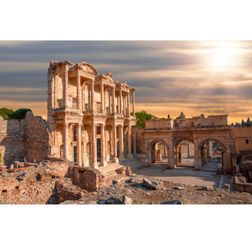
This podcast explains the meaning and content of Rev 2:8-10, including John’s letter to the ancient saints at Smyrna. The letter was written by John but comes from Christ who identifies himself as “the first and the last, which was dead, and is alive.” The Savior knows the works of the saints in Smyrna, and their tribulation and poverty caused by the blasphemies of the Jews, who are Jews in name only­­—but not in practice because they belong to the synagogue of Satan. These verses give some perspective to the question of why righteous people suffer. The Savior tells the Smyrnian saints not to fear suffering even as he predicts tribulations for a symbolic period of ten days. He promises that if they are faithful unto death, they will receive a crown of life. Revelation 2:8: 00:02:19 Revelation 2:9:00:26:59 Revelation 2:10: 00:49:41

Rev 2:6: [§16] Christ Hates the Deeds of the Nicolaitans

This podcast discusses, explains and interprets the prophecies of John the apostle found in Revelation 2:6. This verses describes the hatred that the Ephesian saints had for the immoral, worldly and perverse teachings of the Nicolaitan’s within the ancient church at Ephesus. The Savior also makes an unusually strong, if not atypical, claim that he also hates the deeds of the Nicolaitans. This podcast will discuss the possible origins of name of this perverse group and what their deeds were that aroused the hatred of even Jesus Christ.
12 di 30