Unsung Podcast
di Unsung Podcast
Why Do US Maple Sound Like That? w/ Ferruccio Quercetti from CUT - 369
This week we're talking about US Maple. Which is a bit like saying we're talking about having your teeth drilled without anaesthetic. The Chicago quartet spent twelve years making music that deliberately disappointed every expectation you might have about rock music. They took guitars, drums, and vocals and somehow made them sound like they were arguing with each other in a language nobody understood. It was brilliant. It was infuriating. It was absolutely necessary. This is the final part of our Anti Rock trilogy, where we've been exploring bands that knew the rules of rock music inside out and chose to break every single one of them. US Maple didn't just break the rules though. They took the rulebook, fed it through a modified guitar with quarter tone frets, and sang over it like a demented lounge singer having a breakdown. We get into their impossible discography, their custom instruments that were designed to sound worse, their legendary tour with Pavement where they got pelted with rubbish nightly, and that infamous Oklahoma City incident involving Xanax and a cockroach. We also try to answer the eternal question: why would anyone voluntarily listen to this? Fair warning: this episode might make you feel slightly seasick. That's entirely by design. Featuring Ferruccio Quercetti from the brilliant Italian band Cut, who knows more about post punk and experimental music than literally anyone we know. Highlights: 00:00 Introduction and Welcome 00:58 Meet the Hosts and Anti-Rock Series Recap 05:25 Defining Anti-Rock vs. Post-Rock - The Core Question 18:51 Chicago's Noise Rock Scene and US Maple's Origins 20:32 The Band Formation and Todd Riman's Hybrid Guitar 24:00 "Snagglepuss on a Bender" - Early Recording Stories 31:47 The Commitment to Anti-Rock Philosophy 38:00 The Legendary Oklahoma City Incident 44:00 Shorty: The Band That Spawned US Maple 49:00 Album Deep Dive: Long Hair in Three Stages 59:08 Sang Fat Editor and Quarter-Tone Guitar Experiments 01:08:00 Talker and Working with Michael Gira 01:17:00 Purple on Time - The "Mainstream" Album 01:22:13 Al Johnson's Anti-Rock Manifesto 01:24:46 Why US Maple is "Weirdly Soothing" 01:29:00 Mark's Virgin Takeaway on the Band 01:33:54 Conclusion and Farewell
No Wave: The Nihilistic New York Movement That Influenced 40 Years of Music - 368
This week we're diving headfirst into the gloriously pretentious world of No Wave - the three-year New York art scene that somehow managed to influence everything that followed. Chris has somehow convinced Mark and our resident Italian punk professor Ferro to explore how a bunch of art school dropouts in a financially bankrupt New York accidentally created one of music's most important movements. We start with New York City in 1978: a proper shithole where you'd genuinely risk your life getting a taxi to Brooklyn, Times Square was basically a war zone, and the city had literally gone bankrupt. Perfect conditions, as it turns out, for a load of bohemian kids to move in, pay bugger all rent, and start making the most deliberately difficult music imaginable. Enter Brian Eno, who's meant to be in New York producing Talking Heads like a normal person, but instead wanders into some art space gig and discovers bands like Teenage Jesus and the Jerks, DNA, Mars, and The Contortions doing something completely mental. Being Brian Eno, he obviously decides to document the whole thing, creating the legendary "No New York" compilation that basically put the entire movement on the map. We get properly stuck into the key figures: Lydia Lunch being an absolute force of nature in Teenage Jesus and the Jerks, James Chance slapping music critics (literally - he assaulted Robert Christgau), and the various weirdos who decided that what punk really needed was to be even more antagonistic to its audience. Ferro brings his encyclopaedic knowledge of the European connections, particularly the parallels between New York's urban decay and Berlin's post-war experimental scene. We explore how Einstürzende Neubauten were literally destroying studio floors with sledgehammers whilst Throbbing Gristle were essentially inventing industrial music in their Yorkshire squat. The conversation sprawls magnificently through Swans' absolutely punishing early albums, the way Sonic Youth emerged from this scene, and how bands like Bush Tetras and Rat at Rat R kept the torch burning. We also dive into some proper tangents about Madonna apparently being in an art punk band with future Swans members (mental) and how this whole movement influenced everything from the Load Records noise rock scene to modern post-metal. This is part two of our anti-rock trilogy. Last week we tackled the prehistory from musique concrète to Captain Beefheart, and next week we'll finally get to US Maple and try to explain why anyone would voluntarily subject themselves to their particular brand of musical torture. Highlights 00:00 Introduction to No Wave and Brian Eno's Influence 00:33 Welcome to the Podcast 01:04 Recap of Previous Episode 02:14 The Rise of No Wave in Late 1970s New York 02:46 Sociological Context of 1970s New York 02:59 Key Figures and Bands in No Wave 03:43 The No New York Compilation Album 07:59 Brian Eno's Role and Impact 11:02 Musical Influence and Legacy of No Wave 20:04 James Chance and The Contortions 22:44 Sonic Youth and Swans: Post No Wave Evolution 25:51 The Influence of Swans on Post-Metal 27:25 Exploring Lesser-Known Bands: Rat at Rat R and Bush Tetras 28:48 The Impact of Foetus and Throbbing Gristle 35:13 Berlin's No Wave Movement and Einstürzende Neubauten 41:08 The Legacy of No Wave in Chicago and Beyond 45:03 Anti-Rock Bands and Their Influence 48:38 Concluding Thoughts and Teasers for Next Episode
Anti-Rock: When Musicians Deliberately Break the Rules w/ Ferruccio Quercetti - 367
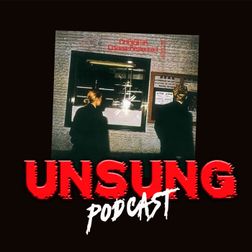
This week we're tackling the wonderfully niche concept of anti-rock. Or more specifically, we're trying to work out what the hell it actually is, why Google doesn't seem to know either, and how it connects to everything from Frank Zappa taking the piss out of The Beatles to bands who are so talented they deliberately make themselves sound rubbish. Chris has dragged poor Mark and our resident punk professor Ferro down a rabbit hole that starts with French composers banging bits of concrete in the 1940s and somehow ends up at US Maple, a band that sounds like they're actively trying to annoy you. Along the way we encounter Captain Beefheart's deliberately mental Trout Mask Replica, The Residents being mysterious weirdos in eyeball masks, and Suicide essentially inventing electronic music with what amounts to a homemade fuzz box. We get properly stuck into the prehistory of experimental music, from Pierre Schaeffer's musique concrète through to the New York art scene of the 1970s. Our main thesis is that anti-rock isn't just noise for the sake of it - it's what happens when genuinely skilled musicians decide to systematically tear apart rock conventions from the inside. Think of it as punk's more cerebral, art school cousin who's read too much Derrida. This is part one of three. Next week we'll tackle the No Wave explosion in late 70s New York, and part three will finally explain why US Maple exist and why anyone would voluntarily listen to them. We also touch on Glenn Branca's guitar symphonies, Pere Ubu's Cleveland weirdness, and try to work out why some of the most influential experimental music came from artists who could absolutely play it straight if they wanted to. Spoiler: they definitely didn't want to. Timestamps: Episode Highlights: 00:00 Introduction and Initial Banter 00:51 Meet the Guest: Ferro (Not Pharaoh) 01:47 Ferro's Musical Journey and PhD in Punk 04:16 What the Hell Is Anti-Rock? 09:37 French Blokes Banging Concrete: The Birth of Musique Concrète 22:01 When Classical Composers Lost Their Minds 27:48 Moondog: The Homeless Viking of Sixth Avenue 28:25 How American Music Got Properly Weird 29:15 Snake Time Rhythms and Native American Influences 30:04 From Experimental Composers to Rock Subversion 30:36 Captain Beefheart's Deliberately Mental Masterpiece 35:05 Red Crayola: Texan Psychedelic Deconstructionists 40:42 The Residents: Eyeball Masks and Musical Terrorism 47:09 Suicide: Two Blokes and a Homemade Fuzz Box 52:06 Pere Ubu: Cleveland's Contribution to Musical Chaos 55:38 Setting Up the No Wave Explosion
Is Emma Ruth Rundle Gothic Rock? - 366
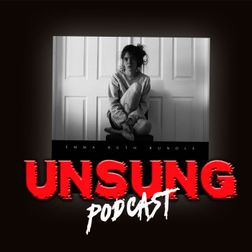
This week we're diving into the wonderfully gloomy world of Emma Ruth Rundle. Or more specifically, we're having a bit of a discussion whether she's actually goth or not, what goth even means, and how it may be broader than some think. Musically, Chris thinks most of her catalogue is a bit pants but she has artistic integreity. Mark reckons she's brilliant. Emma Ruth Rundle has spent her career shape-shifting between projects like some sort of musical chameleon with commitment issues. From her early folk-gaze days with The Nocturnes to her brief stint with post-rock titans Red Sparrows. From the overlooked Marriages project to her increasingly experimental solo work. She's never been one to stay in her lane. The question is: does all this reinvention actually work, or is it just restless artist syndrome? We get deep into the weeds of her entire discography. Our main focus is 2016's "Marked for Death", which Mark insists is her masterpiece and Chris... well, Chris has opinions. We also tackle the thorny question of what actually constitutes "goth" in 2025. Spoiler: it's probably not what you think. Plus we discuss her genuinely unnerving experimental albums. And try to work out why Sargent House thought it was a good idea to send a recovering alcoholic to record alone in the desert. With unlimited booze. Episode Highlights: 00:00 Introduction and Studio Setup at Variety Bar 05:21 The Great Goth Debate Begins 18:45 Emma Ruth Rundle's Project History 32:48 Electric Guitar One: Ambient Experiments 39:00 Some Heavy Ocean: The Proper Debut 44:14 On Dark Horses: Chris's Least Favourite 52:26 The Thou Collaboration: Overrated or Underrated? 59:48 Engine of Hell: Stripped Back and Boring? 1:04:06 Electric Guitar Two: Pure Horror Movie Soundtrack 1:13:28 Marked for Death: The Desert Sessions 1:26:00 Final Verdicts and Wrap-Up
When Vessels Traded in Their Guitars for Synthesisers for Their Third Album, Dilate- 365
This week we're talking about the Leeds band Vessels. Or more specifically we're talking about their quite abrupt change from identikit post rock band to something a lot more electronic and a lot more enticing. By their own admission, Vessels had something of a problem: the band had to evolve or die. They were trapped making the same post rock songs as everyone else, using the same delay pedals, creating the same "emotional" buildups that made grown men in plaid shirts cry. So they did something radical: they put down their guitars and picked up synthesisers. The result was Dilate, an album that lost them some fans but gained them something more valuable - an actual identity. In this episode, we not only get into the weeds of their discography (as we always do), but we also talk about post rock generally, as well as the band's history, their decision to turn to live electronic, how much of a nightmare that actually can be to pull off live, the influence that Berlin clubs had on their new direction, and so much more. Episode highlights: 00:00 Introduction and Podcast Setup 02:24 Introducing the Band: Vessels 03:57 Exploring Vessels' Evolution 07:26 The Post-Rock Genre and Vessels' Place in It 25:16 Vessels' Early Work and Initial Reception 37:41 Analysing the Last Third of the Album 38:06 Songwriting Evolution and Structural Ambitions 38:48 Drummers and Instrumentation 39:59 Remixes and Bonus Albums 40:29 Glastonbury and the Inflection Point 41:02 Transition to Electronic Music 41:46 Reflecting on the Change of Direction 44:56 The Great Distraction Album 45:19 Challenges of Remote Collaboration 47:39 Vocal Contributions and Collaborations 54:19 Dilate Album Review 01:08:42 Conclusion and Final Thoughts
Revolutionary Vol. 2 by Immortal Technique w/ Joe from Go Down Fighting, Man Must Side, Shit You May Not Have Seen Podcast - 363
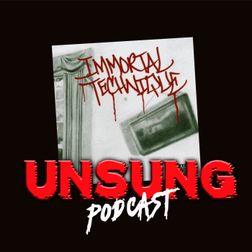
Joe from Shit You May Not Have Seen Podcast/the bands Go Down Fighting and Man Must Die, jois us this week. And his pick is somewhat controversial: Immortal Technique's second album second album Revolutionary Vol. 2. In true unsung style, it ends up leading to a massive debate about separating art and artist, all whilst looking closely at his politics and dissemination of conspiracy theories. Felipe Coronel fled Peru's civil war as a child, became a battle rap champion, and built a career on politically charged underground hip-hop - but how much of his "truth-telling" is actually that? We get into the weeds with that and much more. Highlights: [00:02:00] - Fash comments on recent anti-fascist videos [00:04:00] - Joe's hip-hop origin story since 1992 [00:13:00] - Chris's deep-dive into Technique's Peru background [00:30:00] - InfoWars appearance discussion begins [00:33:00] - Sandy Hook moment that disgusts Chris [00:38:00] - COVID conspiracy theories breakdown [00:44:00] - Andrew Tate connection revealed [00:53:00] - Revolutionary Volume Two track-by-track [01:00:00] - Jean Gray vocabulary study tangent [01:18:00] - "Point of No Return" analysis [01:22:00] - "Dance With the Devil" storytelling masterclass [01:33:00] - "You Never Know" - the other narrative banger [01:40:00] - Mark's final verdict on the confrontational tone [01:47:00] - Bonus Peru World Cup conspiracy (Chris's Nexus moment) [01:51:00] - Next week: Casey Chaos compilation with Dave Weaver
Chinese Restaurant by Chrisma/Krisma - 362
On this episode we dive deep into the musical history of one of Italy's most fascinating and forward-thinking bands - Krisma (or Chrisma as they were originally known). This husband and wife duo from Milan created music that was light years ahead of its time, with their 1977 album "Chinese Restaurant" laying the groundwork for sounds that wouldn't become mainstream until decades later. We explore how this band went from Italian pop stardom to experimental post-punk pioneers, working with the likes of Hans Zimmer and Vangelis along the way. We chat about their various musical reinventions, that time Maurizio allegedly cut his finger off on stage (or did he?), and how their track "Miami" sounds remarkably like Radiohead's Kid A... except it was released 23 years earlier! From performing with The Beatles to mingling in Andy Warhol's circle, Krisma's story is as fascinating as their music is innovative. So grab a cuppa, settle in, and let us introduce you to your new favourite obscure band. If you enjoy this episode, please consider supporting us on Patreon: https://patreon.com/unsungpod 00:00 Introduction to the Unsung Podcast 00:37 Meet the Hosts and Album Introduction 04:55 Band Background: Chrisma's Origins 12:45 Album Analysis: Chinese Restaurant 13:02 Listener's Insight: Fario Tte's Perspective 15:18 Maurizio's Punk Rock Commitment 17:51 Album Analysis: Hibernation 23:02 Album Analysis: Cathode Mamma 29:20 Technological Innovations and Clandestine Anticipation 36:06 Discovering a Hidden Gem 37:44 The Band's Move to New York 38:26 Exploring the Back Catalog 45:44 The Controversial 2008 Tour 49:52 Why Chinese Restaurant is an Unsung Classic 01:01:02 Final Thoughts and Conclusion
In Session 12 - Arno Michaelis: Author, Anti-Extremism Activist and Former White Nationalist (Side B) - 361
In part two of our interview Arno Michaelis, we navigate the bizarre intersection of music, ideology, and redemption. If you've ever wondered how extremist movements actually work, this offers some great insight. Arno gives us the inside scoop on how a skinhead band like Centurion shifted 20,000 records whilst still getting royally ripped off by their label boss. We also chat about right wing ideology and symbolism, as Arno discusses how antisemitism serves as what "the connective tissue" that binds seemingly opposing extremist groups together. We delve into the psychological mechanics too. Taking in everything from Norse fantasy to Tolkien, as well as the very large psychological leaps bands like Skrewdriver had to take to justify playing rock n roll music and Jewish cabaret tunes. Arno also talks about how the music of the Beastie Boys was something of a saving grace as he exited the movement, and he tells us about how a MySpace message in the early 00s regarding his former band, Centurion, led him to reckon with the legacy of poison he created. Whilst also giving him the impetus to try to be a force for good in the world. Grab a cuppa and dive in. Highlights: 00:00 Introduction and Conspiracy Culture 00:14 Steve's Transformation and Ideological Shift 00:53 The Neo-Nazi Rally Experience 02:58 Influence of the Church of the Creator 04:50 Disillusionment and Internal Conflicts 10:33 The Music Scene and White Power Bands 19:57 Tattoos and Symbolism in the Movement 26:47 Fantasy, Mythology, and White Nationalism 30:35 Symbolism and Corruption 30:50 The Mystique of Subcultures 31:46 Esoteric Symbols and Internet Mechanics 32:49 Trends in Holocaust Denial 34:12 Healthy Introspection vs. Obfuscation 35:53 Indicators of Radicalisation 41:35 The Role of Martial Arts in Youth Development 50:52 The Impact of Good Coaches and Mentors 53:00 Current Trends in Radicalisation 58:13 Arno's Musical Journey and Final Thoughts
In Session 12 - Arno Michaelis: Author, Anti-Extremism Activist and Former White Nationalist (Side A) - 360
This week and next we're joined by a very special guest - Arno Michaelis, author, anti-extremism activist, reformed white nationalist and former singer of the neo-Nazi metal band Centurion. You may have seen Arno recently on YouTube where he did a rather brilliant interview with Business Insider. As long time fans of the pod know, Chris' interest in the far-right is something we've touched upon a lot over the last 7 and a half years. So, when the opportunity presented itself to chat with Arno about not just his past, but how music is used a tool for radicalisation, we couldn't pass it up. In true Unsung fashion, our conversation is deep an extensive, taking not just Arno's past and neo-Nazi music, but a broader discussion about the far-right's position in modern mainstream discourse. In part one, we chat about Arno's early interest in punk rock and hip hop, through his transformation from street punk to neo-Nazi skinhead, where he provides a raw, unfiltered account of his journey. Learn about his transformation into an author and advocate for peace, his reflections on the influence of bands like Skrewdriver and Guns N' Roses, and the dangerous allure of conspiracy theories. Along the way, laugh, cringe, and maybe feel a bit enlightened about the intersections of music, hate, and redemption. 00:00 Introduction and Setting the Scene 00:27 Introducing the Special Guest: Arno Michaelis 01:41 Arno's Background and Books 02:35 Parents for Peace: Mission and Work 04:09 Arno's Neo-Nazi Past and Music Career 06:17 The Role of Music in Radicalization 09:37 Arno's Early Life and Punk Influence 15:12 Transition to White Power Skinhead Movement 19:37 Punk Scene Dynamics and Ideological Conflicts 38:07 The Influence of Skrewdriver and Radicalisation 39:56 The Influence of Skrewdriver 41:32 Musical Roots and Personal Reflections 42:46 The Impact of Skrewdriver's Music 43:37 Skrewdriver's Legacy and Controversies 47:16 Personal Connections and Reflections 52:49 The Role of Music in Radicalisation 01:01:46 Antisemitism and Conspiracy Theories 01:13:14 The Enduring Appeal of Conspiracy Theories
Otherness by Alexisonfire - 359
We've been a bit of a post-hardcore kick this year, so we thought we'd swing to the commercial end of the spectrum and talk about Alexisonfire. Specifically, Mark has chosen their 2022 comeback album 'Otherness' and we have a bit of a barney about it, as Chris and Mark's opinions on the band couldn't be more different. We spend time exploring how this Canadian quintet revolutionised post-hardcore with their three-vocalist approach, and track their evolution from their raw 2002 debut to their thirteen-year recording gap. Mark argues that their latest album is actually their best, while Chris starts off "begging to be hit by a bus" before gradually warming to their more mature sound. Poor old George Pettit (vocals) ranks the band's debut dead last himself, which Chris heartily agrees with. We chat about the Southern Ontario scene that birthed them, the pornstar who (unsuccessfully) tried to sue them over their name, and how their sound evolved over their career. This episode also features a fairly comprehensive look at the band members' various side projects, from Dallas Green's City and Colour (and his random collab with Pink) to Wade McNeil joining Gallows after Frank Carter's departure. Next week we're doing something a bit special - we'll be interviewing Arno Michaelis, former singer of neo-Nazi band Centurion, about music's role in radicalisation. We've been doing loads of prep for this one, and we'll hopefully bring you something thought-provoking. We're also moving to a new underground studio soon (literally underground), so stay tuned for that! Episode Highlights: [02:10] - Teaser for next week's interview with ex-neo-Nazi band Centurion's singer Arno Michaelis [10:00] - Chris confesses he thought Alexisonfire were Scandinavian in some bizarre Mandela effect [11:50] - The story of how Alexisonfire took their name from pornstar Alexis Fire, who then tried to sue them [14:50] - Mark explains how the geography of Southern Ontario created the perfect breeding ground for bands [29:10] - The three-vocalist dynamic that set Alexisonfire apart: Dallas's angelic voice, George's screams, and Wade's "gargling nails" vocals [36:00] - George Pettit ranks the band's self-titled debut dead last in their discography [41:00] - The pivotal role of their 2006 album "Crisis" going Platinum in Canada [50:27] - "I wanted to put the knife in Screamo" - George's controversial statement about moving their sound forward [1:09:00] - The shift to 70s rock influences and the addition of keyboards on "Otherness" [1:30:00] - Chris admits he "started off begging to be hit by a bus" before gradually warming to their later work [1:33:45] - The announcement of our upcoming move to a new underground studio