Unsung Podcast

Unsung Podcast

di Unsung Podcast

Episode 213 - Time by Electric Light Orchestra

Dads of the world, UNITE! How do you follow the Beach Boys? Well, apparently it’s by covering Electric Light Orchestra. Going from one grandad band to one dad band seems to make a crude kind of sense, even if immersing oneself in the music of ELO is…difficult. Not because they’re terrible. No no no. They are by no means a terrible band. Some of their music has aged well whereas some of it certainly has not (we’re looking at you Discovery). One example of the former is their ridiculous foray into synth-pop with their ninth album, Time. Chosen by guest Alexander Volz from the wonderful podcast Every Album Ever (which you should absolutely check out if you’re a fan of ours - they’ve covered a bunch of stuff we’ve covered, as well as some we want to cover in future), his rationale was pretty straight forward - it’s a very polarising album and it should fit in well with our MO. And he’s right. Despite still selling millions of copies, the claim that Time is an unsung album is a very fair one. The mid 70s were the band’s creative and commercial high points - A New World Record (1976) and Out of the Blue (1977) were runaway successes for the band. After incorporating disco elements in 1979’s Discovery, and tackling their first film soundtrack with Xanadu in 1980, Jeff Lynne was trying to find ways to keep the band sounding relevant and with Time, he largely succeeded. A concept album about a man being transported from 1981 to 2095, the album sees Lynne and co ditch the string quartet they had used for the last decade and replace it almost entirely with synthesisers. The result is much like The Visitors by ABBA, a record that is very ahead of its time and sees the band use new technology to evolve their sound. Sadly, the album seemed to mark the beginning of the end for ELO - after a poorly attended tour the band all but ceased playing live, and the follow up, 1983’s Secret Messages, essentially killed the band entirely. 1986’s Balance of Power was created and released as a way to fulfil contractual obligations and ELO simply vanished into the shadows. Aside from a brief re-emergence in 2001 to release the poorly received Zoom, Jeff Lynne kept ELO dormant until 2015. In the period between Time and the present day the band never revisited this synth heavy sound. Which is a shame because you can hear lots of different genres of electronic music emerging from this one record. It’d have been cool to see what another album of this would have been like. Is this an unsung classic? We certainly think so. What say you? REMINDER: It’s Record Club shipping time! We’ll be posting out vinyl and emailing digital download codes to all of our subscribers next week so there’s still time to get involved before the end of March! You can also drop in and out if an ongoing subscription is too much for you. Find out more below.

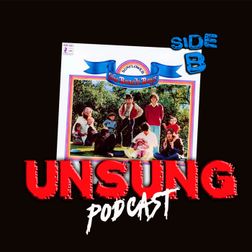
Episode 212 - Sunflower by The Beach Boys (Side B)

Whether pretending to be surfers and getting slapped with fines from the manager for swearing or cavorting with transcendental meditation and falling out with one another, The Beach Boys were never quite what people thought they were. They were often at each other’s throats, relationships were fraught a lot of the time, members of the band seemed to withdraw from the group and return whenever the mood suited them and that’s before we even mention Brian Wilson’s sometimes extreme battle with mental health. The story of the Beach Boys is weirder, sadder and madder than you could have ever imagined. We spent a lot of last week talking about that aspect of their career. The lore is so thick, in fact, that we had to stop only half way through their career because these guys have said and done a lot in the last 61 years. So this week, we pick up where we left off – the late 80s, when the began to slow down significantly when it came to their musical output, but refused to vanish entirely, becoming a legacy touring act with a rotating line up of ex-members and studio musicians alike, all revolving around Mike Love and Bruce Johnston. Given the legacy of this band, we decided to offer up our own subjective interpretation of that legacy. Were The Beach Boys really at their best with Brian Wilson? Is Mike Love a bit of a dick? What about the extensive contributions of Carl and Denis Wilson, as well as Al Jardine and Bruce Johnston? Do the band deserve to be heralded as one of the greats? Can they even be Unsung? We answer all of these questions. Then we dive into the three albums that Vicki struggled to choose from - Wild Honey, Sunflower and Surf’s Up. We do a bit of a dive into Wild Honey and Surf’s Up before giving Sunflower the full Unsung treatment. What do you folk think? Is Sunflower the most underrated and underappreciated Beach Boys record? Let us know what you think! REMINDER: It’s Record Club shipping time! We’ll be posting out vinyl and emailing digital download codes to all of our subscribers next week so there’s still time to get involved before the end of March! You can also drop in and out if an ongoing subscription is too much for you. Find out more here: www.patreon.com/unsungpod

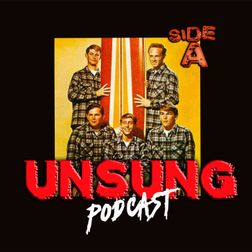
Episode 211 - Sunflower by The Beach Boys (Side A)

Did you know that The Beach Boys have 29 studio albums, 11 live albums and a staggering 61 compilation records? Before we agreed to do their 16th(!!!) album Sunflower at Vicki’s behest, we knew it was going to be a huge undertaking but good lord, it was bigger than we could have ever imagined. And that’s to say nothing of the tumultuous interpersonal relationships between the band members. On one hand, it makes sense that there would be some drama – they came up in the 60s and churned out records at a faster rate than The Beatles throughout that entire period. They were also teenagers when they began, so some discord was bound to arise as they grew up and started to change as people. Furthermore, they’ve been a band (yes, they’re still going) for over 60 bloody years at this point. Falling out once or twice was sure to happen. And yet… It’s hard to understand why these guys keep at it. For decades, literal decades, of their career, it seems like some members didn’t even like each other all that much. The answer is (other than money, of course) the music. There is a lot of it, sure, but there’s some truly great stuff throughout their career. Ok, not their whole career: there’s a lot of great stuff up until the late 70s. After that it’s some serious Big Grandad Energy. As of writing, the band is 61 years old. There’s a very good chance that they’re the world’s longest running band. The Rolling Stones started in 1962 – a year later than The Beach Boys – so as you can imagine, there’s a whole lot to cover here. Which is why it’s an epic two parter. In part one, Vicki takes us through their history right up until the 1980s. We talk about the music, the members, their relationships, the drink, the drugs, the mental health problems, the politics and of course the deaths. Next week – the 80s, 90s, 00s and 10s (because aye, when this episode ends there’s still just over 30 fucking years of general stuff to discuss) and Vicki tells why she had trouble deciding between Sunflower, Surf’s Up and Wild Honey. REMINDER: It’s Record Club shipping time! We’ll be posting out vinyl and emailing digital download codes to all of our subscribers next week so there’s still time to get involved before the end of March! You can also drop in and out if an ongoing subscription is too much for you. Find out more here: www.patreon.com/unsungpod

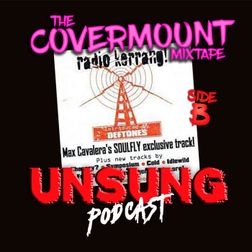
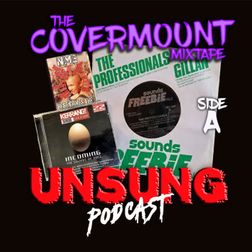
Episode 210 - The Covermount Mixtape: Radio Kerrang! Vol. 5

We’ve called this episode “The Covermount Mixtape” for now, but it hasn’t escaped us that a covermount essentially IS a mixtape, only one that was put together by magazines (with what is probably a fair amount of label/PR interference, but we digress…). So until we come up with a better name for this new series, we’re stuck with this for the time being. In any event, this is the first in what will no doubt be quite a long series where we discuss and dissect a covermount CD. For this one, we’ve picked Radio Kerrang! Vol.5 and friends, it’s weird. Alongside the usual nu-metal fare that was floating around in 1998, there’s also a few other interesting choices, such as Backyard Babies and a few bands that no doubt no longer exist, like Freekspert. There’s a surprising amount of Swedish artists on this CD too, much to our bemusement. It’s not all just banter about the music on the CD though, we also ponder what the conditions were to get on these CDs for smaller bands, and contemplate just how much sway the labels or PR companies of the bigger bands had over the selection. In doing the research for this new feature we found that it is very, very easy to get your hands on these CDs. People sell them by the box load on eBay. Probably because they’re all worthless and no one in their right mind wants to own them. So strap the fuck in folks, we’re plumbing the very, very depths of late 90s rock and metal with this one. If there are any covermount CDs that were instrumental to your musical development then let us know what they are. Or better yet, if for some reason you still own one of these CDs, we’d love to hear from you. Next week we’re back to the regular format. Vicki returns to chat about The Beach Boys. It’s going to be an epic.
Episode 209 - The History of the Covermount CD

Some time ago we threatened to do an episode on covermount CDs. For Chris, Dave and many, many other teenagers, the covermount CDs found bundled with copies of Kerrang!, Metal Hammer, NME and numerous other magazines were an indispensable way of finding new music. At a time when these music magazines were still in high circulation, the covermount CD (or cassette, or vinyl) was also a great way for relatively unknown acts to find a new audience by being included on a CD with some of the biggest acts in the world. But how did it all begin? What was the origin of these covermount CDs, cassettes, vinyl and floppy disks? How did it benefit bands, the magazines and the labels? Did it even have a positive effect on the smaller bands that found themselves on these release? And how exactly did unsigned bands manage to land a spot on one of these compilation albums? In this episode we endeavour to answer all of these questions and attempt to figure out just how this process worked for musicians, managers, labels and magazines alike. We also talk about the ways in which these types of CDs - mostly from the late 90s and early 00s - had a huge effect on our music tastes as we grew up. Next week we’ll be diving into the first in a brand new series where we review a covermount CD and let us tell you, there’s some true crackers to be discussed. REMINDER: We’ve begun shipping vinyl for our new record club and there’s still plenty of time to get involved. Want to know how to get free records every month? Check out our patreon! http://www.patreon.com/unsungpod

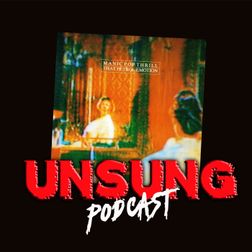
Episode 208 - Manic Pop Thrill by That Petrol Emotion

All genres are littered with bands that somebody somewhere thinks are unsung. Some are unsung because they influenced other, more successful acts, whereas there are artists that are unsung because they just didn’t land quite the right way at the right time. That Petrol Emotion are, arguably, the latter. Formed by the brothers O’Neill from the ashes of legendary pop punk band The Undertones, That Petrol Emotion immediately come across as a whole different proposition on their 1986 debut album Manic Pop Thrill. Sure, primary songwriter (on this and subsequent album Babble) John O’Neill had already proven he knew his way around a tune in his old band, but this new outfit were something else entirely. Daring, politically charged post-punk all but blows away the cheerier, more saccharine vibes of The Undertones, and the result is truly great. Our guest host this week, Ferruccio, is a huge post-punk nerd (as you all know by now) and he was torn between this album and follow up Babble. It’s a close call indeed - Babble is darker but also with a couple singles in tow - but on balance, we feel he’s made the right call here. After Babble things start to go a bit weird for the band. John O’Neill left and the direction of the band changed from album to album, and by the time they called it quits in 1994 they were edging towards are more American radio rock, REM influenced vibe. A far cry from this album. Is it an unsung classic? As ever, the choice is yours. Vote below. We’ve also begun shipping records for the record club! Head on over to our Patreon below to find out how you can sign up and see what all the fuss is about.

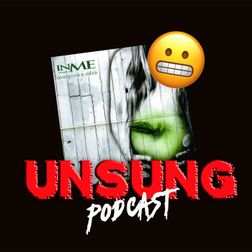
Episode 207 - Overgrown Eden by InMe

Are InMe an unsung band? Is Overgrown Eden a forgotten classic? Well…you can make up your own mind on that. Us? We’ve certainly made up our mind. In fact, we’re not even going to bother playing coy with you here - we only did this episode because we were asked to do it for “the patter” by friend of the pod Craig B. He also paid us a handsome sum of money for the “privilege” and we really wish he hadn’t. We also decided it was time to do this because we’re “clearing the decks”, so to speak, of our old Patreon tiers before we move to the new Unsung Record Club. Check out how cool this is - we’ll be shipping records soon! Anyway, if you’re a fan of the band InMe, you might want to skip this episode. Have the fans left yet? Good. First thing’s first - we’ve heard that they’re all nice guys. In fact we’ve heard that lead singer/only remaining original member Dave McPherson is a very nice guy. That’s awesome. You love to see it. But we’re sorry Dave…we just didn’t like any of your music. On this episode we canter through all 7 of their albums before returning to Overgrown Eden and giving it a good once over. We also talk about nostalgia festivals and bands that probably should have stopped years ago but are somehow still going. Alongside this, we discuss the finer points of why bands suddenly seem to disappear after being on the cusp of fame, and dive into how the now defunct PledgeMusic (and other crowdfunding platforms) were something of a panacea for bands with small but fervent fan bases. There’s no vote this week. We’ve taken the power away from you on this one. We don’t want this in our discography. Next week - a surprise! You can still sign up to our new Patreon Record Club! Find out more about it below!

Episode 206 - Factory Floor by Factory Floor

Ah, electronica, how we have missed thee. This week we’re talking about the debut Factory Floor album and Chris gets to wondering why he like this album in the first place. Are they a minimal wave band? Post industrial? Tech house? All of these categories seem to fit in their own way, and we talk a little about all three of these, what they are and why they might be relevant to this band. Many styles of electronic music are repetitive. Indeed, any music that humans want to dance to is repeitive in nature. However, Chris contends that this is a releatively recent phenomnon, and that certainly in the case of Factory Floor, it’s something they rely on heavily. Indeed, songs are so long that the repetitive beats and melodies become weirdly hypnotic. In this episode we chat about all this and more. Including a little detour into the nature of live electronica and the sort stuff that may seem like an artist is making sounds at a gig, but when in reality they’re probably not… Is Factory Floor’s debut album an unsung classic? As ever, you decide. Vote below.

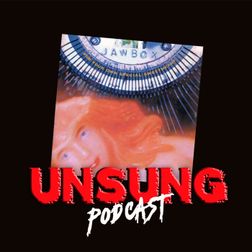
Episode 205 - For Your Own Special Sweetheart by Jawbox

In the legendarium of hardcore and post-hardcore, there are a whole slew of bands that are arguably unsung. The big hitters are pretty obvious, right? Your Black Flags, Bad Brains, Husker Dus, Fugazis etc have lots of column inches devoted to their huge influence. This week we’ll argue that Jawbox’s third album, For Your Own Special Sweetheart, is just as, if not more influential, than some of those artists. Vicki joins us this week as we chat not only about the band’s small back catalogue, but also about the major the label feeding frenzy that led to this weird indie band from Washington, with deep ties to the legendary DC hardcore scene, getting signed to Atlantic Records. In the dying days of grunge, when everyone was scrambling to find the next Nirvana, some exec at Atlantic thought that Jawbox were one of those bands. Unlike many other acts though, Jawbox made modest demands of the label before signing, allowing them to go away to record the album they wanted in the way they wanted to do it without getting into huge amounts of debt with the record label. The result is an album that saw the band literally re-learning how to play together and which helped them to solidify their status as one of the best post-hardcore bands around. We also talk about the legacy of the band and their lead singer J. Robbins, who would go on to be a significant producer in his own right.. Is this an unsung classic? You decide.

Episode 203 - South of Heaven by Slayer

We always coming out swinging with something BIG after Xmas and this year is no exception as we talk about South of Heaven by Slayer. What is there to say about Slayer that hasn’t already been said? Formed in 1981, it goes without saying that they’re one of the most important metal bands of all time. The “Big 4” of thrash were called that for a reason, and it’s about more than just their rise to fame. Their influence is legion but Slayer’s sound had a massive influence on extreme metal. It arguably began with them, after all. A band for almost 40 years, they released 12 albums all without every really altering their sound in any huge way. This album though, the middle one of three records that would later be classed as their “peak”, was perhaps the most “experimental” of any of their work. After the unholy fury and speed of Reign in Blood the band made the decision to slow things right down on South of Heaven and saw them take their songwriting in a whole different direction. After this record, they’d go on to record Seasons in the Abyss which would combine the approach of Reign in Blood and South of Heaven. The result being three albums that simply defined their legacy. In this episode we chat about the band’s entire legacy including the lyrics, the controversy, the death, the drink and the huge influence they had on metal. Oh, and this episode is almost 2 hours long. So grab a six pack of beer and tune in. Is this their unsung classic? You decide.
20 di 46