The Entrepreneur’s Bookshelf

The Entrepreneur’s Bookshelf

di The Entrepreneurs bookshelf
Stagione 1

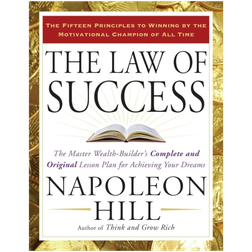
The Law of Success - Napoleon Hill

Summary Get the book here! Napoleon Hill's "Law of Success" course, a self-help program based on Hill's analysis of the lives of over one hundred successful people. The book outlines fifteen laws that Hill claims are crucial for achieving success, including developing a definite chief aim, building self-confidence, harnessing imagination, practicing initiative and leadership, mastering self-control, understanding accurate thinking, and forming a master mind alliance. Hill also explores the destructive power of fear, greed, revenge, egotism, suspicion, jealousy, and intolerance, emphasizing the importance of self-control and the use of positive auto-suggestion to overcome these obstacles. The text encourages readers to learn from their mistakes, to embrace the law of increasing returns by offering valuable service to others, and to develop an attractive personality by being agreeable and genuinely interested in those they encounter.

Doing the Impossible

This is an excerpt from Patrick Bet-David's book "Doing the Impossible," which provides a framework for individuals seeking to achieve their goals and overcome perceived limitations. Bet-David outlines a series of "laws" that encourage personal growth through self-reflection, identifying one's purpose, building a supportive network, and prioritizing continuous learning. He stresses the importance of challenging one's thinking, developing a strong work ethic, and embracing challenges as opportunities for growth. Throughout the excerpt, he draws inspiration from historical figures and real-world examples to illustrate his principles and emphasize the power of perseverance, courage, and belief in oneself. Get the book here - https://amzn.to/3C4O7of

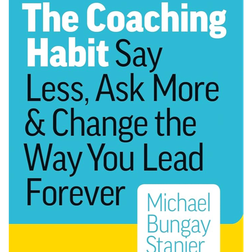
The Coaching Habit- Say Less, Ask More & Change the Way You Lead Forever

The book "The Coaching Habit" by Michael Bungay Stanier is a guide for managers and leaders on how to improve their coaching skills by asking more questions and giving less advice. The book features seven essential questions designed to encourage deeper thinking and self-sufficiency in those being coached. The author argues that coaching is a habit that can be learned through deliberate practice and by understanding the science behind building new habits. Stanier also discusses the importance of active listening and acknowledging the answers of those you are coaching to create a more engaging and impactful learning experience. Get the book here - https://amzn.to/40gfgP7

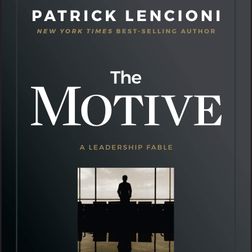
The Motive

This book, The Motive, by Patrick Lencioni, is about the motivations behind leadership. The author argues that many people pursue leadership roles for the wrong reasons, seeking rewards like status and power. This focus on personal gain can lead to ineffective leadership, as individuals may prioritise their own interests over the needs of those they lead. The book uses a fictional story about a struggling CEO named Shay Davis to illustrate the challenges and pitfalls of leadership. Shay seeks help from a consulting firm that works with his competitor, highlighting his desperation to improve his company's performance. The narrative also introduces Liam Alcott, a successful CEO whom Shay views as a rival, adding a layer of interpersonal conflict to the story. Through this fable, the author aims to explore the complexities of leadership motivations and the importance of leading for the right reasons. Get the book here - https://amzn.to/3YCscO2

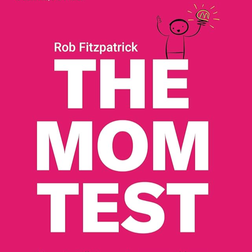
The Mom Test

Get the book here - https://amzn.to/3YGdrd9 This book, "The Mom Test," aims to help individuals, particularly entrepreneurs, have more effective conversations with potential customers to gain valuable insights for their businesses. The book argues that traditional methods of customer feedback often lead to biased or misleading information. The core of the book is the "Mom Test," a set of rules for asking better questions that encourage people to share truthful and insightful information about their experiences, needs, and problems. The book cautions against seeking approval or pitching ideas too early, as it can skew the feedback received. Instead, it emphasises focusing on the customer's past experiences and current behaviours to uncover their genuine needs and challenges. The book also provides practical advice on how to identify and avoid common pitfalls like compliments, generic claims, and feature requests that can cloud judgment. Through real-life examples and actionable strategies, the book equips readers with the skills to gather meaningful customer data and make informed decisions about their business.

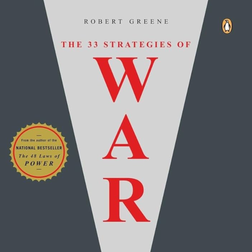
The 33 Strategies of War

“The 33 Strategies of War" by Robert Greene Get the book here - https://amzn.to/4eUTBjU This book is a comprehensive guide to the strategies and principles of warfare, with the goal of providing readers with practical knowledge that can be applied to conflicts in their daily lives. The book distills timeless wisdom from historical military figures and strategists, including Sun-tzu, Miyamoto Musashi, Carl von Clausewitz, and Napoleon Bonaparte. The author emphasises that the book's strategies are not meant to be followed rigidly, but rather to serve as tools for critical thinking and adaptability in the face of challenges. The book is structured around 33 distinct strategies, each designed to address a specific problem that readers might encounter. These problems include: Leading an unmotivated team. Managing conflicts on multiple fronts. Overcoming the gap between plans and reality. Navigating difficult situations The book is divided into five sections: Self-directed warfare focuses on preparing the mind and spirit for conflict. Organisational warfare examines how to build and inspire a team. Defensive warfare explores strategies for protection and resilience. Offensive warfare covers techniques for taking the initiative and achieving victory. Unconventional (dirty) warfare presents strategies for operating outside the norms of traditional conflict. The author uses historical examples and anecdotes to illustrate the application of the strategies.15 The book emphasises the importance of understanding the perspectives of others, including your adversaries, as a key to developing effective strategies.6 The author also argues that the most successful strategies often involve deception and manipulation, rather than direct confrontation.

The Link Between Craziness and Success in America

The author, John Gartner, argues that the American character, marked by high energy, ambition, and risk-taking, is rooted in a high prevalence of hypomania within the population. He suggests that America's history as a nation of immigrants, drawn by opportunities and fueled by a restless spirit, has created a gene pool enriched with hypomanic tendencies. This temperament, while often associated with success, also comes with downsides such as impulsivity and poor judgment, illustrating a complex relationship between "craziness" and achievement.

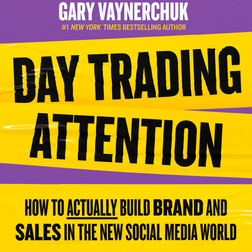
Day Trading Attention: Modern Marketing in the Social Media World

Gary serves us a guide to modern advertising, emphasising the importance of "day trading attention" by capturing underpriced attention on social media. It highlights how social media has evolved, focusing on interest-based algorithms rather than solely relying on social graphs. The Gary introduces the PAC (Platforms and Culture) and SOC (Strategic Organic Content) frameworks, providing a blueprint for creating relevant and effective content. It suggests that businesses should experiment, analyse consumer behavior through post-creative strategies, and adapt their approach based on insights gained. Gary urges brands to test different forms of media and engage with the audience. Various content examples and platform strategies are provided, promoting a shift from traditional advertising to a more dynamic, consumer-centric approach.

Social Media Strategy: Jab, Jab, Jab, Right Hook

Gary Vaynerchuk's "Jab, Jab, Jab, Right Hook" provides a guide to effective social media marketing. The book stresses the importance of creating platform-native content that offers value and builds relationships with customers through "jabs," which are subtle engagements, before delivering "right hooks," or direct calls to action. It examines successful and unsuccessful examples of social media storytelling across platforms like Facebook, Twitter, Pinterest, Instagram, Tumblr, Google+, Vine and Snapchat, emphasizing consistency, authenticity, and understanding audience behavior. Vaynerchuk argues that marketers must invest time and effort to master the nuances of each platform, adapt to changes, and prioritize providing value to consumers. Ultimately, the book champions a strategy centered on high-quality micro-content, community management, and continuous effort to make meaningful connections with consumers. It also looks ahead to how brands can become their own media companies by creating longer-form content.

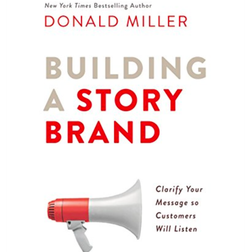
Building a StoryBrand: Clarify Your Message

"Building a StoryBrand" by Donald Miller is a book focused on helping businesses refine their messaging. It emphasises clarity so that companies can effectively capture and retain customer attention. The book's premise revolves around constructing a brand narrative. The goal is to enhance customer engagement through better storytelling.
2 di 5