The Garage Mind

The Garage Mind

di Tony Ortiz
Stagione 1

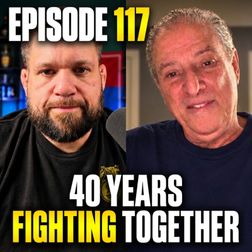
Dan Pasquale a true teamster story!

EPISODE DESCRIPTION - Ready to publish What does a lifetime in the Teamsters really buy you? Dan Pascual has the answer—and it starts with a hard-earned pension, strong benefits, and the kind of retirement many workers hope to achieve.Tony Ortiz sits down with the retired Cisco Foods veteran and Local 710 member for a candid conversation about union history, strong contracts, and why understanding the past matters. Drawing on 40 years of frontline experience, Dan explains how union protections helped support his family, health care, and future.In this episode, you’ll hear: How company and local mergers shaped battles over seniority, pensions, and health and welfare Why management rights matter alongside wages How health care contract language can protect workers when companies try to change the rules Why food and beverage routes demand endurance The difference between an hourly job and a union career with benefits, time off, and long-term security Dan also discusses corporate consolidation, why workers should study their contracts—not just chase overtime—and how organizing and solidarity can make a difference. From four-day workweeks and premium time to the lasting value of a pension, this conversation offers practical lessons for Teamsters, union members, and anyone interested in working-class life.If you want to understand the contract, the culture, and the commitment behind a secure working life, this episode is for you.

I Sit down with Union Proud Warriors very own Sean

Union Marketing Is Broken—Here’s How to Fix It | Sean Allen How can unions reach a new generation of workers? Sean Allen, president of Chicago Local 21 Bricklayers and creator of Union Proud Warrior, joins Tony to share how a bold message and community-first approach helped build an audience of 175,000 followers across platforms.A second-generation Teamster, Tony brings his own blue-collar perspective to a conversation about the value of unions—and why their message needs to reach people who may never have learned what unions offer.Sean explains how his experience as a member, representative, and organizer inspired him to create Union Proud Warrior. He also shares why he felt labor messaging needed more energy, how community events helped bring people together, and why unions have to meet younger audiences where they already spend time. In this episode: The origin of Union Proud Warrior How Sean and his partners built an audience across social media Why community events can help people connect with unions How to make the union story relevant to first-generation workers Why reaching younger audiences means meeting them online What unions can do to challenge misconceptions and make their message heard If you care about unions, the labor movement, or the future of blue-collar work, tune in for Sean’s candid take on bringing the union message to more people.

They Paid a Union Buster $400 an Hour—and Workers Still Won

Excel warehouse technician Alberto joins Tony to share how frustration over low wages, costly healthcare, safety concerns, and expanding job duties led workers to organize with Teamsters Local 710.Alberto explains how he helped build support for the union campaign, securing 19 signed authorization cards in just two weeks. He and Tony discuss the realities of warehouse work, management’s cross-training plans, the challenges of negotiating a first contract, and why workers deserve a voice in the workplace.A conversation about solidarity, respect, and what can happen when workers stand together. Teamsters Local 710, warehouse workers, union organizing, labor rights, workers’ rights, employee organizing, union election, collective bargaining, union representation, workplace safety, fair wages, affordable health care, working conditions, labor movement, worker solidarity, Excel warehouse, The Garage Mind Podcast

From Garage Shelf to 1,100 Bottles: The Bourbon Collection Built on Family and Community

EPISODE DESCRIPTION — Ready to publish The bourbon bubble may be changing, but the real story is bigger than hype: it is about community, taste, and finding your own path. Jay, better known as Woodford Bourbon Guy shares how a neglected garage, a $150 back bar, and a COVID-era project turned into a one-of-a-kind bourbon hangout, a massive collection, and a content brand built on authenticity.Tony and Jay get into the moments that shaped his journey, from drinking whiskey with the goal of connecting with his mom to learning bourbon through TikTok, bottle shares, and the people who helped him along the way. Jay also opens up about how he found his creative lane with Syrup Saturday making candy-based simple syrups and cocktails that break the rules without losing the fun.You'll discover: Why Jay forces himself to stay true to his own palate instead of chasing bourbon trends How the bourbon community useshandshakes, bottle shares, and live streams to teach and connect What changed during the bourbon boom, and why shelves are looking different again Why he thinksFour Roses Small Batch Select belongs on every shelf How barrel picks work, what makes a single barrel special, and why he prefers them over shelf bottles The real meaning of bourbon innovation, from finishing techniques to cold storage aging Jay also breaks down how relationships opened doors to distillery visits, barrel picks, and a barrel club with friends across the country, plus why he believes the best bourbon content comes from being reachable, honest, and useful to the people watching.Essential listening if you care about bourbon, bourbon content, single barrel picks, or building a hobby around people instead of hype. If you want a more grounded, community-first take on the whiskey world, this conversation delivers. Find Jay online: Instagram:Woodford Bourbon Guy TikTok:Woodford Bourbon Guy 3.0 Facebook:Woodford Bourbon Guy YouTube:Woodford Bourbon Guy

The Hidden Power of the Great Middle Class: Why Their Voice Matters

[EPISODE DESCRIPTION - Ready to publish] In a world where voices are often drowned out, Rod Duff and Tony dive deep into the heart of the middle class, offering powerful insights on the struggles and triumphs of everyday Americans. This episode is a must-listen for anyone feeling unheard or caught in the chaos of societal division. Rod Duff passionately explores the challenges facing the middle class today, emphasizing the urgent need for a collective voice. He and Tony discuss the shared experiences that unite us, regardless of background, and how those experiences are often overlooked in a polarized world. Rod’s perspective sheds light on the critical issues that affect everyday life, from economic struggles to the quest for authentic discourse in an age of misinformation and division. You'll discover: - The hidden power of the working class and why it's crucial to reclaim that narrative. - How curiosity and open debate can lead to personal and societal evolution. - Insights into the potential future shaped by AI and automation, and what that means for the economy. - The importance of addressing emotional barriers that hinder constructive discussions. The stakes are high—failing to engage in these critical conversations could mean losing sight of the values that bind us together. As Rod and Tony emphasize, it’s not just about individual struggles; it’s about creating a community that supports shared growth and understanding. This episode is essential listening for anyone seeking to break free from societal boxes and engage in meaningful dialogue. Perfect for those who feel the weight of uncertainty and want to empower their voices in the ongoing conversation about the future of the middle class. Tune in and be part of the change!

The Invisible Heroes: Why We Must Appreciate the Working Class

[EPISODE DESCRIPTION - Ready to publish] In a world where hard work often goes unnoticed, Tony sheds light on the unsung heroes of the working class—the ones who keep our lives running smoothly yet remain invisible. This heartfelt episode is a powerful reminder of the appreciation we often overlook in our daily grind and a call to recognize the value of every worker’s contribution. Tony opens up about the deep-seated need for acknowledgment in the workplace, asking, "When's the last time somebody genuinely thanked you?" He dives into the struggles of the working class—those who wake up before dawn and labor tirelessly, often without recognition. This episode is not just a monologue; it’s a heartfelt conversation aimed at the drivers, tradespeople, and all those who feel overlooked in their roles. You’ll discover: - The importance of appreciation in the workplace and how it impacts morale and motivation. - Tony's journey as a CDL driver and his insights on the invisible labor that keeps society functioning. - The pride of the working class and the unique challenges they face, especially in times of crisis like the COVID pandemic. - The real meaning behind union representation and why it’s crucial for workers to stand together. Tony emphasizes that the working class deserves respect and acknowledgment for their efforts. He shares stories that resonate with anyone who has ever felt unseen, making a compelling case for why we should recognize the hard work that goes on behind the scenes. This episode is essential listening for anyone in the workforce, especially those feeling burnt out or underappreciated. Tune in to reconnect with the pride of hard work and to remind yourself that every role matters. Pour yourself a drink, sit back, and join Tony in this passionate discussion that reminds us all to appreciate the labor that keeps our world spinning.

Gold star family and what it means to our Veteran Families.

Gold Star Ride: 563 Families, 166,000 Miles, and the Mission to Remember Anthony Price, also known by his road name Token Squid, shares how a lifetime on Harley-Davidson motorcycles became a national mission to support Gold Star families. This conversation covers the origin of Gold Star families, the practical help his foundation provides, and the unexpected generosity he has encountered from strangers, dealerships, and fellow riders across the country.In this episode, Tony and Anthony also talk about grief, military service, roadside breakdowns, and why making families smile matters just as much as the support itself. Key topics Tony introduces the Gold Star Ride Foundation and explains that its purpose is to support the immediate family members of service members killed in the military. The scale of the mission is striking - more than563 Gold Star families,166,000-plus miles, and all 50 states visited multiple times. Motorcycles are used as a rolling billboard - flags, decals, and a loud Harley help draw attention to the mission and start conversations wherever Tony goes. The Dothan, Alabama breakdown story shows the power of community - an 18 wheeler blocks traffic, locals help push the bike, and a stranger later pays the repair bill after seeing Tony’s video. The meaning of Gold Star and Blue Star families is explained, including the World War I origin of the flag tradition and how the terms evolved over time. The foundation helps in highly practical ways - meals, repairs, grocery support, PCA help, and whatever the family would have done for their loved one. Tony shares deeply emotional encounters with Gold Star widows, parents, and children, including a story about helping stop someone from following through on a suicide note. Riding is part of the mission, not just transportation - the road is used to honor families, create visibility, and build relationships in person. The conversation turns to service, gratitude, and national identity - Tony argues that veterans and Gold Star families deserve more public support and respect. Tony closes with humor and practical ways to help - follow the work, donate, ride along, come to events, or simply start paying attention to veterans and their families.

Inside the Strike Where Members Took on IKEA, Police, and the Media

A viral strike, a company with billions in revenue, and a local that refuses to be pushed around - Local 179 lays out exactly why this fight at IKEA matters far beyond one warehouse. Chris Richter and Tony Seminari break down the contract battle, the wage gap, the protection of rights language, and the kind of leadership that turns a picket line into a movement.This episode gets into the real mechanics of a first-contract fight: what workers are asking for, why IKEA’s “union friendly” branding doesn’t match the reality on the line, and how the company’s tactics - from temporary fencing and private security to replacement workers - are playing out in real time. You’ll hear how social media unexpectedly turned Tony into a viral face of the strike, why that visibility matters, and how the local is using it to get the truth out when major outlets stay quiet.Chris Richter is the president of Teamsters Local 179 and a longtime Teamster who rose through the ranks from truck driver to steward, business agent, vice president, secretary-treasurer, and now president. Tony Seminari is vice president of Local 179, a 20-year Teamster, and a former ABF worker turned organizer who helps lead the strike and the messaging around it.You’ll discover: Why the average IKEA wage of about $23 an hour is not enough in a high-cost economy How the team is fighting for a 15% first-year raise versus IKEA’s 2.5% over three years Why protection of rights language is a make-or-break issue in the contract How strike pay, extended benefits, and local support change the balance of power Why education, involvement, and contract enforcement are the real tools that keep workers strong We also get into the human side of the strike - the commitment of young workers showing up every day through bad weather, the camaraderie built on the line, and the reason so many Teamsters say this generation is standing on business. If you want to understand how labor fights are won, why solidarity still matters, and what a serious first contract battle looks like from the inside, this one is essential listening.
From Darkness to Hope: A Real Addiction Recovery Story

On this episode of The Garage Mind Podcast, Tony sits down with Bryan Blackmon for an honest conversation about addiction, homelessness, recovery, spirituality, and rebuilding life after rock bottom. Bryan shares the turning points that changed everything and the mindset that helped him choose a better future. A powerful story about resilience, second chances, and personal growth.

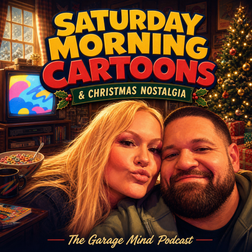
Saturday Morning Cartoons Had the Best Theme Songs Ever

Saturday morning cartoons, Christmas nostalgia, and a few hilarious detours into Santa trauma, cereal, and the weird magic of being a kid. Tony and Lauren turn this one into a warm, funny, memory-filled conversation that hits anyone who grew up waiting for the theme song to start.Tony kicks things off with the shows and characters that shaped a generation - Ninja Turtles, DuckTales, Power Rangers, Scooby-Doo, Rugrats, Rocco's Modern Life, Dexter's Laboratory, Johnny Bravo, Courage the Cowardly Dog, and more - while Lauren shares the cartoons she actually watched, what she loved about them, and how those Saturday rituals felt in her house. Along the way, they get into theme songs that instantly transport you back, the best hype intros of the 90s, and why those shows still feel bigger than life.Then the episode turns into a full-on holiday nostalgia trip. You’ll hear about Santa radar, reindeer food, Girl Scouts, mall Christmas trees, old-school Black Friday, favorite Christmas movies, family traditions, and the way holidays looked different in divided families versus one big house full of memories. Tony also tells the legendary Raphael birthday-party story, Lauren opens up about the moment she found out Santa wasn’t real, and both of them connect the dots on why these moments still matter now.You'll discover: Why 90s cartoons and their theme songs are still undefeated The shows that made Tony and Lauren feel like kids forever How Christmas traditions, decorations, and food became family rituals Why nostalgia hits harder when you realize how much of it was built around love, effort, and shared time Tony brings the chaotic, funny, deeply nostalgic energy, while Lauren balances it with her own childhood memories and the perspective of someone who loves the rituals that make family feel like family. Together, they make the case that the best memories are often the simplest ones - cartoons, cookies, bad lies about Santa, and the people who made it all feel magical.Perfect for anyone who misses the days of Saturday mornings, old Christmas specials, and the kind of family traditions that stick with you for life. Coming soon: Halloween.
1 di 13