The Scuba Gear Lab
di The Scuba Gear Lab

What Is a Tankless Dive System and How Does It Work?

What Is a Tankless Dive System and How Does It Work? I've been watching tankless dive systems evolve for the better part of a decade now, and I'll tell you—understanding exactly how a tankless dive system works has become pretty important for anyone considering an alternative to traditional scuba gear. These battery-powered surface-supplied systems have moved from novelty gadgets to legitimate diving equipment, and knowing what's actually happening when you breathe through one matters for both safety and realistic expectations. What Is a Tankless Dive System? A tankless dive system is a battery-powered compressor unit that floats on the surface and delivers breathing air to a diver below through a low-pressure hose. Unlike traditional scuba where you carry compressed air on your back, these systems generate breathable air on demand and push it down to you in real time. The name "tankless" is a bit of marketing shorthand—what you're really getting is a surface-supplied air delivery system that eliminates the need for high-pressure storage cylinders. The compressor itself sits in a floating housing, typically the size of a small cooler, and runs on lithium-ion battery packs. A li…
Must Have Scuba Gear: The Complete Equipment Guide

Must Have Scuba Gear: The Complete Equipment Guide I've spent forty-plus years watching new divers walk into shops with that mix of excitement and confusion on their faces, asking what must have scuba gear they actually need. The answer hasn't changed much since the late '70s, though the marketing departments sure want you to think it has. Here's the thing: scuba diving requires specific life-support equipment, and while you can debate the merits of different brands or features, you can't debate the core list. Some gear keeps you alive underwater. Some gear keeps you comfortable. And some gear exists purely to separate you from your money. This guide cuts through the noise. I'll walk you through every piece of equipment you'll encounter, from the non-negotiables to the nice-to-haves, with the kind of detail that comes from logging more than 8,000 dives and watching gear perform—or fail—under real conditions. What Is Must Have Scuba Gear? Must have scuba gear is the complete system of equipment that enables humans to breathe, move, and function safely underwater. This isn't like skiing, where you can rent boards and call it a day. Scuba diving is self-contained underwater breath…
How to Build a Travel-Friendly Scuba Gear Kit

How to Build a Travel-Friendly Scuba Gear Kit I learned the hard way that packing all my scuba gear for a trip to Cozumel last year was a disaster. My checked bag hit 70 pounds, the airline charged me extra fees, and I arrived exhausted from lugging everything through three airports. Building a smart travel scuba gear kit changed everything for me—now I dive just as comfortably but with half the weight and hassle. This guide walks you through exactly how to put together a kit that keeps you diving well without destroying your back or your travel budget. We'll cover what to bring, what to rent, and how to pack it all efficiently. Whether you're planning a week in the Caribbean or a liveaboard in Southeast Asia, you'll learn to travel lighter while still having everything you actually need. This process takes about an hour to plan and organize the first time, but once you've got your system down, packing for dive trips becomes quick and stress-free. Perfect for recreational divers who want to explore new sites without the logistics nightmare. What You'll Need Before you start building your travel scuba gear kit, gather these essentials: - A reliable dive bag or backpack designe…
Best Lightweight Scuba Gear for Travel
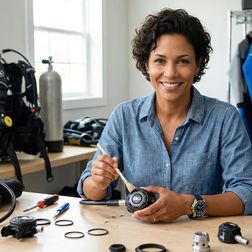
Best Lightweight Scuba Gear for Travel I've watched countless divers shuffle through airports looking like they're relocating to the Caribbean permanently, dragging two massive roller bags plus a gear duffel that weighs more than they do. After four decades of diving and probably a thousand flights with scuba equipment, I can tell you this: the best lightweight scuba gear travel setup isn't about compromising on safety or performance—it's about being ruthlessly selective and knowing which weight matters and which doesn't. If you've already started thinking about (/travel-scuba-gear-kit), you're ahead of the curve. The verdict? You can assemble a complete, reliable travel rig that weighs under 30 pounds total, fits in a single checked bag plus carry-on, and performs just as well at 100 feet in Bonaire as the gear collecting dust in your garage. What to Look For in Lightweight Travel Scuba Gear Here's the thing about travel gear: every ounce you save in your luggage costs something—either in dollars, durability, or performance. I've seen people buy featherweight regulators that breathe like sucking air through a coffee stirrer at depth, and I've seen others obsess over shaving two…
Scuba Gear Maintenance Checklist: Keep Your Equipment Dive-Ready

Scuba Gear Maintenance Checklist: Keep Your Equipment Dive-Ready I'll be honest—I didn't think much about maintenance when I bought my first BCD. I figured if it worked fine underwater, it was good to go, right? Wrong. After a dive trip where my inflator button stuck at depth (terrifying, by the way), I learned the hard way that a proper scuba gear maintenance checklist isn't optional. It's what keeps you safe and your gear working when you need it most. This checklist is for recreational divers like me who own at least some of their own equipment. Whether you've got a full setup or you're still building your collection piece by piece, these maintenance habits will help you catch problems before they ruin a dive—or worse. I'm still learning what works best, but these are the routines that have saved me from equipment headaches time and again. After Every Dive: Immediate Care These steps happen right after you surface, before you even pack your (/what-is-a-scuba-gear-bag). I used to skip this stuff when I was tired, but trust me—salt and sand are your gear's worst enemies, and they work fast. Rinse everything in fresh water within an hour. This means your regulator (with the du…
Top Scuba BCDs for Recreational Diving
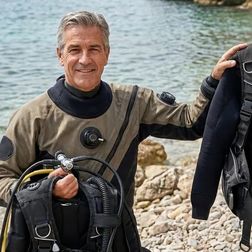
Top Scuba BCDs for Recreational Diving I've been fitting divers into BCDs since the early 1980s, back when we called them "stabilizer jackets" and most of them had the buoyancy characteristics of a beach ball. These days, the best recreational scuba BCDs combine intelligent weight integration, ergonomic harness systems, and enough lift capacity to handle real-world diving scenarios without turning you into a bobber on the surface. After four decades of watching recreational divers struggle with poorly matched buoyancy systems—and testing nearly every model that's come through my shop—I've narrowed this list down to the BCDs that actually earn their place in your (/must-have-scuba-gear) collection. Scubapro Hydros Pro The represents what happens when engineers actually listen to dive instructors. This modular BCD uses a gel-pack harness system that molds to your torso over the first few dives, eliminating the pressure points I've seen cause rib bruising on traditional jacket-style BCDs. The Monprene construction weighs 6.4 pounds in size medium and provides 30 pounds of lift—enough for recreational divers wearing up to 7mm exposure suits without feeling like you're wrestling an …
Understanding Scuba BCD Types and Buoyancy Systems

Understanding Scuba BCD Types and Buoyancy Systems I've been diving since the late '70s, and I can tell you that understanding scuba BCD types explained properly will save you money, frustration, and potentially your safety underwater. The buoyancy compensator device is the single piece of gear that separates confident divers from those who flail around burning through their air in twenty minutes. After watching thousands of divers over four decades, I've learned that most people don't understand what they're buying until they're already fifty dives deep with the wrong equipment for their diving style. What Is a Scuba BCD? A BCD—buoyancy compensator device, or buoyancy control device depending on who you ask—is an inflatable bladder system that lets you control your position in the water column. Think of it as your adjustable life jacket, except unlike a life jacket that just keeps you at the surface, a BCD allows you to achieve neutral buoyancy at any depth, hover motionless for photography, or add positive buoyancy for surface swims. Here's the thing: your BCD does more than just manage buoyancy. It's the platform that holds your tank, integrates your weights, carries your ac…
How to Choose Your First Scuba Gear Set

How to Choose Your First Scuba Gear Set I remember standing in a dive shop in San Pedro three years ago, completely overwhelmed by the wall of equipment in front of me. Regulators, BCDs, gauges—everything looked important, and I had no idea where to start. If you're wondering how to choose first scuba gear, you're not alone in feeling lost. I made plenty of mistakes building my kit, and I'm still learning with every dive. This guide will walk you through choosing your first complete scuba setup without the overwhelm. We'll cover which pieces to buy first, what actually matters for your specific diving style, and how to avoid the expensive mistakes I made. Whether you're diving warm Caribbean waters or planning cooler adventures, you'll learn how to build a reliable kit that grows with your skills. Plan on spending about 30 minutes reading through this—I wish someone had laid it all out this clearly for me when I started. What You'll Need Before you start shopping, gather these resources: - Your certification card (to verify you're qualified to purchase scuba gear) - Budget estimate (realistic range you can spend over 6-12 months) - Diving plans (destinations, water temps, freq…
Best Scuba Regulators Under $500
Best Scuba Regulators Under $500 I've watched too many new divers waste money on junk regulators because they believed the most expensive models were the only safe choice. Here's the truth I've learned over forty years: some of the best scuba regulators under 500 dollars will serve you just as reliably as models costing twice that amount—if you know what to look for. The $300-$500 range is where value meets performance, and after testing dozens of mid-range regulators in everything from murky Gulf wrecks to clear Atlantic reefs, I can tell you exactly which ones deserve your money. The winner in this price bracket? The Cressi MC9 SC Compact, which delivers balanced performance, cold-water reliability, and a service network that won't leave you stranded. But your diving style matters more than any single "best" pick, and I've got recommendations for travelers, cold-water divers, and those just getting serious about owning their own gear. What to Look For in Regulators Under $500 Balanced vs Unbalanced First Stage Design This is the single most important decision you'll make when shopping for the best scuba regulators under 500 dollars. A balanced first stage maintains consisten…
What Is Essential Scuba Diving Equipment?
What Is Essential Scuba Diving Equipment? I've watched thousands of divers gear up over the past forty-plus years, and I can tell you this: understanding what constitutes essential scuba diving equipment isn't about buying the most expensive gear or following whatever the dive magazines are pushing this season. It's about knowing which pieces of equipment keep you alive underwater and which ones just make the experience more comfortable. The difference matters, especially when you're standing in a dive shop with a salesperson telling you that you absolutely need a $1,500 computer for your first open water dive. What Is Essential Scuba Diving Equipment? Here's the thing: essential scuba diving equipment falls into two categories, and new divers often confuse them. There's life-support equipment—the gear that literally keeps you breathing and safe underwater—and then there's necessary equipment that makes diving possible but doesn't directly support life. The life-support category includes your regulator, BCD, dive computer (or depth gauge and timer), and exposure protection appropriate for the environment. The necessary category covers fins, mask, weights, and a few other items. …