Rethink Your Understanding

Rethink Your Understanding

di Phil Clark
Stagione 2

Transforming Engineering: From Cost Center to Strategic Partner

This is the second episode in a three-part series exploring Profitable Engineering and how Phil as a technology leader is transforming the engineering department from a cost center into a strategic business partner. The AI hosts dive into Phil's response to peer feedback recommending him to prioritize focusing on business results, highlighting how it prompted a transformation in his leadership approach. Link to the article: Transforming Engineering: From Cost Center to Strategic Partner, originally published December 24, 2024. Connect with me on LinkedIn

Engineering’s Business Value: From Black Box to Clarity

This episode is the first in a three-part series exploring the often-misunderstood role of software engineering, frequently dismissed as just a cost center. The AI hosts dive into my argument for adopting a product operating model and Value Stream Management to redefine engineering's value. By leveraging OKRs, teams can align their efforts with measurable business outcomes and customer impact. This shift requires intentional team design, emphasizing the movement of work to teams rather than individuals, enabling accurate cost tracking and demonstrating ROI. The ultimate aim is to transform the perception of engineering from a "black box" expense to a key driver of innovation and growth. In the next episodes, we’ll explore leadership strategies to make this vision a reality. Link to the article: Engineering’s Business Value: From Black Box to Clarity, originally published December 23, 2024. Connect with me on LinkedIn

Profitable Engineering: Linking Software Engineering to Business Results

Happy New Year! We're excited to kick off season two of the podcast. In this opening episode, the AI hosts introduce a three-part series on Profitable Engineering, exploring how to connect technology investments to meaningful business results. This three-part series dives into reimagining software engineering as a strategic business partner rather than merely a cost center. Tailored for technology leaders, product managers, and anyone seeking to align engineering efforts with customer value and measurable business outcomes, it provides valuable insights to bridge the gap between technical investments and organizational success. Link to the article: Profitable Engineering: Linking Software Engineering to Business Results, originally published December 22, 2024. Connect with me on LinkedIn.
Stagione 1

Crossroads 2024: Reflections on Leadership, Legacy, and Modern Practices

This episode marks the end of Season 1 of the AI-generated podcast experiment and the culmination of my initial efforts to share insights from my three-year article-writing journey. At the same time, I reached a key point in my career where there's no turning back time, and I take a moment to reflect on my experience in software engineering and leadership. It's been a journey through two distinct eras of software delivery, which have shaped my growth and perspective. The AI hosts interpret my end-of-year article and reflection, "Crossroads 2024: Reflections on Leadership, Legacy, and Modern Practices." Although they diverge slightly from the main focus of my article, my mission, they highlight my emphasis on the transformative impact of modern practices like Agile, DevOps, and cloud computing and how these innovations have changed team dynamics and organizational culture. A key focus is on the importance of leadership in fostering a culture of continuous learning, experimentation, and psychological safety to achieve fast flow and deliver value. This year in technology has brought challenges and successes in Software Product Development and Delivery. We've seen the release of thought-provoking books, listened to insightful podcasts and interviews from industry leaders, and returned to in-person conferences. Along the way, we've dealt with layoffs and cost-cutting, witnessed significant advancements in AI, and seen shifting opinions—and even criticism—of Agile practices. At the same time, we've celebrated inspiring success stories from standout organizations. Here's to more progress and innovation—wishing you a great 2025! Link to the article: Crossroads 2024: Reflections on Leadership, Legacy, and Modern Practices, originally published December 02, 2024. Connect with me on LinkedIn

Navigating the Digital Product Workflow Metrics Landscape: From DORA to Comprehensive Value Stream Management Platform Solutions

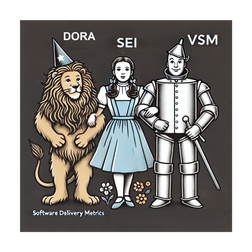
In this episode, the discussion by the AI hosts is based on my article, "Navigating the Digital Product Workflow Metrics Landscape: From DORA to Comprehensive Value Stream Management Platform Solutions." It acts as a guide for senior leaders in choosing the best software delivery metrics platform for their needs. It evaluates four types of platforms: DORA metrics, which focus on deployment; DX Core 4, which emphasizes speed, effectiveness, quality, and business impact; Software Engineering Intelligence (SEI) platforms, which offer broader insights into the delivery pipeline; and Value Stream Management (VSM) platforms, which provide a comprehensive view of the entire product lifecycle. The discussion emphasizes the importance of identifying bottlenecks before making a choice and highlights the need to consider factors such as budget, leadership readiness, and team sentiment. Additionally, the article provides several examples for each platform type. Link to the article: Navigating the Digital Product Workflow Metrics Landscape: From DORA to Comprehensive Value Stream Management Platform Solutions, originally published August 31, 2024. Connect with me on LinkedIn

Evolving the Agile Leadership Role: Integrating Value Stream Management into Agile Leadership

In this episode, the AI hosts dive into my article, "Evolving the Agile Leadership Role: Integrating Value Stream Management into Agile Leadership." The conversation cites concerning statistics on Scrum Master maturity, indicating a significant lack of VSM expertise. He proposes integrating VSM into the Agile Leader role to enhance team performance, improve process efficiency, and better align with organizational goals. This integration, Phil contends, addresses the criticisms levied against the current definition of the Scrum Master role and provides a path to increase the value and impact of Agile leaders. Finally the conversation offers several benefits of this approach, including improved metrics, enhanced collaboration, and strategic alignment. Link to the article: Evolving the Agile Leadership Role: Integrating Value Stream Management into Agile Leadership, originally published May 19, 2024. Connect with me on LinkedIn

A Balanced Approach to Agile Metrics: Empowering Teams and Mitigating Risks

In this episode, the AI hosts discuss my article, "A Balanced Approach to Agile Metrics: Empowering Teams and Mitigating Risks." The article advocates for using Agile metrics wisely in software development. It argues that metrics like DORA and flow velocity are great for spotting bottlenecks and boosting team performance, but they can be misused. This misuse can lead to focusing on manipulating numbers rather than genuine improvement. The conversation highlights the need for team ownership of metrics, clear communication, and understanding each team's unique context. A big concern is to keep metrics from becoming tools for blame-shifting or pressure from business stakeholders. The ultimate goal is to use metrics to empower teams and encourage a culture of continuous improvement. Link to the article: A Balanced Approach to Agile Metrics: Empowering Teams and Mitigating Risks, originally published March 02, 2024. Connect with me on LinkedIn
Beyond Facilitation: The Agile Leader’s Place in Cross-Functional Team Dynamics

This episode examines the vital, yet sometimes debated, role of Scrum Masters or Agile leaders in cross-functional software development teams. Nearly two years ago, Capitol One laid off most of its Agile Coaches and Scrum Masters, questioning their value. Recently, I've worked with an organization that eliminated the Scrum Master role, assigning its responsibilities to the Engineering Manager on each team. Whether you transfer these duties to the Product or Engineering Manager, I believe this creates significant "role overload." In this episode, our AI hosts discuss my article which argues that Agile leaders, distinct from product managers, are crucial for balancing work types (features, defects, technical debt, and risk), fostering team alignment, and ensuring sustainable high-quality software delivery. The author draws insights from "Team Topologies" and "Project to Product," emphasizing the importance of intentional team design and a product-centric approach. Ultimately, the article advocates for recognizing the unique value of Agile leadership in achieving high-performing, collaborative teams, concluding that while team structures may vary, the Agile leader's role is essential for success. Link to the article: Beyond Facilitation: The Agile Leader’s Place in Cross-Functional Team Dynamics, originally published February 25, 2024. Connect with me on LinkedIn

Pressures of Strategic Talent Cost Rebalancing in Agile Teams: Optimizing Global Geographical Costs for Cohesion and Efficiency

This episode examines the challenges of balancing cost savings with maintaining agile team effectiveness when geographically distributing software development teams. The author uses a US based example and argues against replacing individual team members in the US with cheaper alternatives in different time zones, emphasizing the negative impact on collaboration and efficiency due to significant time differences. Instead, the author advocates for relocating entire cross-functional teams to cost-effective locations to preserve team cohesion and agile principles. The article uses a real-world example to illustrate the potential pitfalls of a dispersed team structure and offers strategic recommendations for a more effective approach to global talent rebalancing. Ultimately, the article stresses prioritizing team unity and geographical proximity to optimize both cost and productivity. Link to the article: Pressures of Strategic Talent Cost Rebalancing in Agile Teams: Optimizing Global Geographical Costs for Cohesion and Efficiency, originally published February 13, 2024. Connect with me on LinkedIn
Agile Era Leadership: Overcoming Legacy Leadership Friction and Four Industry Conversations

In this episode, our AI hosts take a deep dive into the challenges of transitioning to Agile, Lean, and DevOps methodologies in organizations, focusing on the resistance from senior leaders entrenched in outdated practices and metrics. The conversation highlights the negative impact of legacy leadership on modern digital transformation efforts, citing several real-world examples of friction and failed transformations. The fundamental challenge lies in the disconnect between traditional leadership styles and the collaborative, outcome-focused essence of agile methodologies. The referenced article emphasizes the need for senior leaders to adapt, learn new skills, and embrace a shift in mindset to successfully implement these modern practices. Ultimately, the author argues that strong, informed leadership is crucial for successful digital transformation. Link to the article: Agile Era Leadership: Overcoming Legacy Leadership Friction and Four Industry Conversations, originally published December 12, 2023. Connect with me on LinkedIn

6 di 8