Q is stand for Quality

Q is stand for Quality

di Veljko Massimo Plavsic

ISO/IEC 27002:2022 Information Security Controls: A Comprehensive Briefing

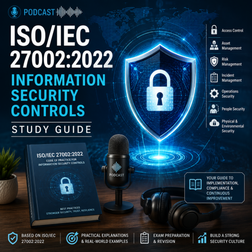
Use code QXQ25 for all my deals https://mydeals.page/1qo0 ISO/IEC 27002:2022 Information Security Controls: A Comprehensive Briefing The third edition of ISO/IEC 27002, published on February 15, 2022, serves as a critical reference for organizations implementing an Information Security Management System (ISMS). In an era where cybercriminals increasingly target business information for financial gain and organizations are integrating Operational Technology (OT) with Information Technology (IT), these controls are essential for managing risk to an acceptable level. The 2022 update modernizes the framework by consolidating controls and introducing a new taxonomy based on themes and attributes. The standard now consists of 93 controls categorized into four themes: Organizational, People, Physical, and Technological. This version is designed to align information security with broader business objectives, ensure compliance with legal obligations, and provide a dynamic approach to risk management within the Plan-Do-Check-Act (PDCA) model

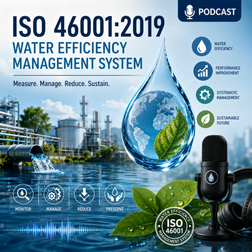
ISO 46001:2019 Water Efficiency Management

Use code QXQ25 for all my deals https://mydeals.page/1qo0 Why Water Efficiency is the Next Corporate Frontier: 5 Takeaways from ISO 46001 While our planet is often stylized as the "Blue Marble," the reality of our water supply is far more fragile than the satellite imagery suggests. The seas and oceans account for a mere 0.023% of the Earth’s total mass. When you filter that down to freshwater—subtracting the saltwater and the vast majority locked in glaciers or deep aquifers—the result is a startlingly thin margin for error: only 0.007% of the world's water is available for human consumption. This absolute scarcity is no longer an abstract environmental concern; it is a fundamental threat to socioeconomic development and public health. Beyond the strain of a global population exceeding eight billion, the crisis is punctuated by a devastating human toll: approximately two million deaths each year are associated with gastrointestinal diseases, largely due to limited access to safe water and inadequate sanitation. In this high-stakes landscape, ISO 46001:2019 has emerged as the definitive strategic framework for organizations to navigate a world under extreme hydrological pressure. The Math of Absolute Scarcity The urgency of water management is best understood through the lens of impending demographic shifts. We are not discussing a distant 2050 threat; we are discussing a reality that is months and years away. According to United Nations estimates, the year 2025 marks a significant tipping point for global stability. This scarcity transforms water management into a strategic priority rather than a discretionary "green" initiative. When a resource is this limited, its mismanagement becomes a fundamental risk to operational continuity, regulatory compliance, and the social stability of the markets in which we operate. "According to the United Nations, it is estimated that by 2025 approximately 1.8 billion people will be living in countries or regions experiencing absolute water scarcity, while nearly two-thirds of the global population could face conditions of water stress."

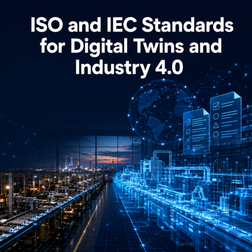
ISO and IEC Standards for Digital Twins and Industry 4.0

Use code QXQ25 for all my deals https://mydeals.page/1qo0 The provided documentation outlines the global standards landscape for digital twins and Industry 4.0, primarily focusing on the collaborative efforts of ISO, IEC, and RAMI 4.0. These frameworks establish a unified language and reference architecture to ensure that virtual representations of physical assets remain interoperable and secure across various industrial sectors. Key publications like ISO/IEC 30173 and the ISO 23247 series provide specific guidance on terminology, data exchange, and lifecycle management for manufacturing and smart infrastructure. While the sources highlight the benefits of synchronized data flow and increased trustworthiness, they also acknowledge challenges regarding definitional variability and restricted access to certain technical documents. Ultimately, this body of work serves as a foundational roadmap for practitioners to implement scalable, reliable digital systems that bridge the gap between physical hardware and digital oversight.

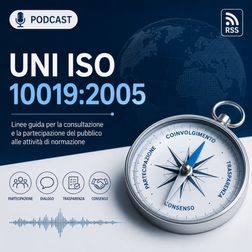
UNI ISO 10019:2005 Guidelines for Quality Management Consultant Selection

Use code QXQ25 for all my deals https://mydeals.page/1qo0 The UNI ISO 10019:2005 standard provides a comprehensive framework for organizations to select and evaluate quality management system consultants. It addresses the common lack of internal expertise by establishing criteria for consultant competence and ensuring that external advisors align with the strategic goals of the business. The guidelines emphasize top management involvement, structured documentation, and rigorous staff training to facilitate the successful implementation of systems like ISO 9001. While the adoption of these practices offers significant operational benefits—such as increased efficiency and customer satisfaction—the standard also acknowledges implementation challenges like resistance to change and high costs. Ultimately, the document serves as a roadmap for leveraging external expertise to drive continuous improvement and maintain a competitive advantage.

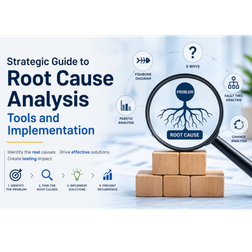
🔍 Strategic Guide to Root Cause Analysis Tools and Implementation

IA
Use code QXQ25 for all my deals https://mydeals.page/1qo0 Root Cause Analysis (RCA) is a systematic methodology and suite of software solutions designed to identify and address the underlying drivers of problems and inefficiencies. By moving beyond symptomatic fixes, RCA enhances organizational problem-solving, fosters a culture of continuous improvement, and minimizes the recurrence of issues across industries such as healthcare, manufacturing, and technology. This briefing outlines the diverse landscape of RCA tools—ranging from lightweight spreadsheets to advanced AI and graph technologies—and provides a framework for effective selection and implementation. Key takeaways include:The Necessity of Standardization: Inconsistent application across teams leads to fragmented analyses and ineffective solutions. The Role of Data Integration: Relying solely on historical data is insufficient; real-time data through IoT and observability tools is critical for identifying dynamic failure factors. The Human Factor: Successful RCA requires the inclusion of frontline operators who provide essential context that data alone may miss. Scalability Challenges: As organizations grow, dedicated RCA software becomes necessary to manage complexity, track accountability, and ensure an auditable trail of corrective actions.

ISO 9001:2026 e l'Integrazione dell'Intelligenza Artificiale

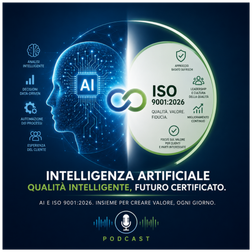
Use code QXQ25 for all my deals https://mydeals.page/1qo0 IA nella ISO 9001:2026: Verso un Sistema di Gestione per la Qualità Digitale e Sostenibile La revisione dello standard ISO 9001, prevista per l'ottobre 2026, segna un'evoluzione cruciale nel campo della gestione della qualità (QMS). Il nuovo standard mira ad integrare le tecnologie emergenti, in particolare l'Intelligenza Artificiale (IA), per affrontare le sfide della trasformazione digitale e della sostenibilità. Sebbene la struttura fondamentale del 2015 rimanga intatta, l'aggiornamento introduce un'enfasi senza precedenti sul pensiero basato sul rischio potenziato, sulla gestione del rischio della catena di fornitura e sull'azione per il clima. L'integrazione dell'IA promette di rivoluzionare l'efficienza operativa attraverso l'automazione delle ispezioni, il monitoraggio dei processi in tempo reale e l'analisi predittiva dei dati. Tuttavia, il successo della transizione dipenderà dalla capacità delle organizzazioni di gestire sfide critiche quali la sicurezza dei dati, l'integrità etica degli algoritmi e la resistenza culturale al cambiamento. Le aziende avranno un periodo di transizione di tre anni per conformarsi ai nuovi requisiti. Applicazioni dell'Intelligenza Artificiale nel QMS L'IA non è solo un'aggiunta tecnologica, ma un catalizzatore per l'efficacia del sistema di gestione. Le applicazioni principali identificate includono: Area di Applicazione Descrizione e Benefici Gestione Documentale Automazione del controllo delle versioni, recupero facilitato della documentazione e riduzione del carico amministrativo. Ispezioni di Qualità Sistemi di visione artificiale che utilizzano il machine learning per identificare difetti con precisione superiore rispetto all'ispezione manuale. Monitoraggio dei Processi Analisi in tempo reale per identificare inefficienze o deviazioni dagli standard, consentendo azioni correttive immediate. Audit Continui Passaggio da revisioni periodiche a verifiche di conformità costanti attraverso strumenti di auditing automatizzati. Analisi dei Dati Classificazione efficiente di enormi volumi di dati per identificare trend e pattern che informano il processo decisionale Vantaggi Strategici dell'Integrazione dell'IA L'adozione dell'IA all'interno del framework ISO 9001:2026 offre benefici tangibili che vanno oltre la semplice conformità: Efficienza e Precisione: L'automazione di compiti routinari come il monitoraggio della conformità assicura che i record siano sempre pronti per l'audit, riducendo gli errori umani. Miglioramento Continuo: L'analisi predittiva permette di prevedere potenziali problemi prima che si verifichino, promuovendo una cultura proattiva anziché reattiva. Soddisfazione del Cliente: Strumenti come l'analisi del sentiment basata sull'IA possono elaborare i feedback dei clienti per identificare rapidamente problemi di qualità ricorrenti. Efficienza dei Costi: Sebbene richieda un investimento iniziale, l'IA riduce i costi operativi a lungo termine attraverso l'aumento della produttività e la riduzione delle non conformità durante gli audit.

PDCA in your daily life

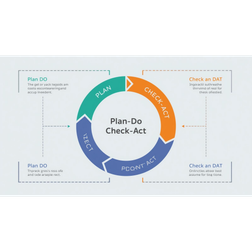
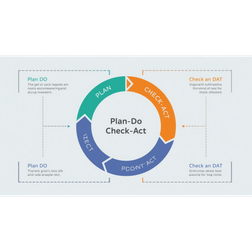
Use code QXQ25 for all my deals https://mydeals.page/1qo0 Your Grocery List is a Genius Blueprint for Improvement. Here's How. A trip to the supermarket seems simple enough. You make a list, head to the store, and buy what's on it. But how often does that simple plan unfold without a single hitch? An unexpected stock issue, a forgotten item, or a sudden technical glitch can turn a routine chore into a cascade of minor frustrations. This everyday task, however, perfectly illustrates a powerful framework for continuous improvement known as the PDCA (Plan-Do-Check-Act) cycle. By dissecting a simple supermarket run, we can uncover profound lessons applicable to both our professional projects and our daily lives. Lesson 1: No Plan Survives Contact With the Checkout Aisle You can start with the perfect plan—a well-organized shopping list. But the "Do" phase, the execution, is where that plan collides with messy reality. In our example, you arrive at the checkout only to find the store's electronic payment systems are down. This is a classic single point of failure. You’re forced to pay with the cash on hand, which means leaving a few items behind. This is the first, and most humbling, lesson of execution: no plan is foolproof. The real test isn't creating a flawless plan, but in how we react to unforeseen problems. The immediate fix? Remembering to add those abandoned items back to the list so they don't get forgotten in the next cycle. Lesson 2: The Hidden Costs of Unplanned Opportunities

PDCA nella vita quotidiana

Come si può applicare il ciclo di Deming nella vita quotidiana per migliorare le nostre attività e vivere meglio 🤔...ascoltate questo Podcast e buon divertimento
3 di 3