
The Pet Parent Podcast

The Pet Parent Podcast

di Total Pet Parent
Puppy Potty Training Schedule: Complete Timeline by Age

IA
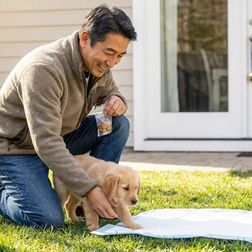
Puppy Potty Training Schedule: Complete Timeline by Age I'm going to be honest with you upfront—I've spent fifteen years figuring out how to keep fish alive in glass boxes, not raising puppies. But when my neighbor asked me to help with her new German Shepherd pup last year while she dealt with a family emergency, I got a crash course in puppy potty training schedule management that reminded me a lot of cycling a new aquarium: you can't rush the biological processes, consistency matters more than intensity, and accidents are just part of the learning curve. What I found works is treating potty training like I treat establishing beneficial bacteria colonies—you follow the timeline the organism needs, not the timeline you want. This checklist breaks down exactly what to expect and when, from those chaotic 8-week-old bladder limitations all the way through to reliable adult control around 6-8 months. 8-10 Weeks Old: The Foundation Phase Expect bathroom breaks every 1-2 hours during this stage—puppies this young have virtually no bladder control, similar to how a newly hatched fry can't regulate its swim bladder yet; the muscles and neurological connections just aren't fully develop…

Crate Training vs Puppy Pads: Which Potty Training Method Is Better?
IA
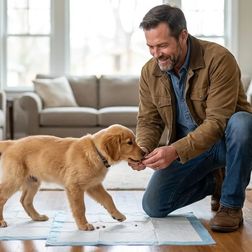
Crate Training vs Puppy Pads: Which Potty Training Method Is Better? Crate training is better for most puppies because it builds long-term outdoor potty habits faster, but puppy pads work well for apartment dwellers, small breeds, and owners with limited mobility. I've spent two decades helping dog owners navigate the crate training vs puppy pads debate, and here's what you need to know: your choice depends on your living situation, schedule, breed size, and long-term goals. This article breaks down both methods so you can pick the one that'll actually work for you and your pup. Quick Comparison | Criteria | Crate Training | Puppy Pads | |--------------|-------------------|----------------| | Training Timeline | 4-6 months to full reliability | 6-12+ months, some dogs never fully transition outdoors | | Best Living Situations | Houses with yard access, standard work schedules | High-rise apartments, limited outdoor access, mobility challenges | | Long-Term Goal | Outdoor elimination only | Indoor backup option or permanent indoor potty | | Ideal Breeds | All sizes, especially medium-large breeds | Toy breeds (under 10 lbs), senior dogs, small apartments | | Daily Commitment | Hi…

Best Puppy Potty Training Pads for Indoor House Training
IA
Best Puppy Potty Training Pads for Indoor House Training You're cleaning up another puddle at 2 a.m., wondering if your puppy will ever understand where to go. I've watched hundreds of puppy owners navigate this same frustration, and here's what I know: the best puppy potty training pads make the difference between feeling like you're living in a minefield and actually making progress. Quick verdict: The right pad combines serious absorbency, a built-in attractant that actually works, and a leak-proof backing that won't betray you on hardwood floors—and after two decades of helping families through this exact challenge, I can tell you which ones deliver. Indoor training pads serve as a valuable bridge tool, especially for small breed puppies, apartment dwellers, or when weather makes outdoor trips impossible. They're not a substitute for proper (/article/how-to-potty-train-a-puppy), but they're incredibly useful in the right situations. Let's look at what separates the best puppy potty training pads from the ones that leave you disappointed. What to Look For in Puppy Potty Training Pads Absorbency Capacity and Core Construction Here's what usually happens: you buy cheap pads, …

How to Potty Train a Puppy: Complete Guide for New Dog Owners
IA
How to Potty Train a Puppy: Complete Guide for New Dog Owners Bringing home a new puppy is exciting, but let's be honest—cleaning up accidents isn't. Learning how to potty train a puppy is the first real challenge most new dog owners face, and it can feel overwhelming when you're standing in your living room with a paper towel at 3 AM. I've helped thousands of families through this exact situation over the past two decades, and here's what I want you to know: potty training doesn't have to be complicated. You need a clear plan, realistic expectations, and consistency. That's it. This guide walks you through everything from understanding how your puppy's bladder actually works to dealing with those inevitable setbacks that make you question if your dog will ever figure this out. What Is Puppy Potty Training? Potty training is the process of teaching your puppy where it's appropriate to eliminate—outside, on a pad, or in a designated area—and building the habit of holding it until they can get to that spot. It's not about punishment or complicated behavior modification. It's about creating a routine that works with your puppy's natural instincts and physical development. Here's w…

Pre-Show Prep Checklist: Getting Your Dog Show-Ready the Night Before
IA
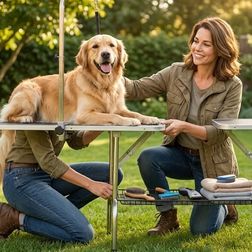
Pre-Show Prep Checklist: Getting Your Dog Show-Ready the Night Before I'll be honest—when I first decided to write this dog show preparation checklist, I had a moment of panic. My expertise is guinea pigs, not grooming tables and gaiting patterns. But after interviewing several professional handlers and conformation exhibitors (and spending way too many evenings watching Westminster footage), I've put together what they all agree is essential the night before your first—or fiftieth—show. This checklist covers everything you need to verify, pack, groom, and prep the evening before a (/article/what-is-dog-conformation-show). Whether you're a nervous first-timer or a seasoned handler who just wants to make sure nothing falls through the cracks, consider this your pre-show sanity check. Grooming and Coat Preparation The night before isn't the time for major coat work—that should've happened days or weeks ago—but it *is* your last chance to fine-tune presentation and catch any issues that might cost you points in the ring. - Give your dog a final bath if breed standards require it: Breeds with smooth, short coats (like Dobermans or Boxers) often show best when bathed the night befo…

Understanding Dog Show Grooming Tables: Types, Features, and Setup
IA
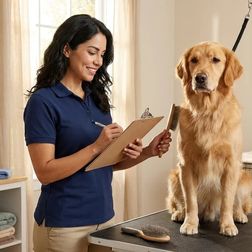
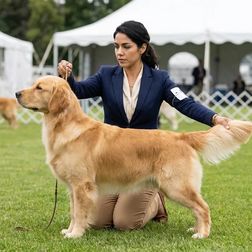
Ever wonder why some people make dog show grooming look effortless while you're stuck wrestling your dog on a wobbly table that's murdering your back? The table matters more than most people realize. In this episode, Jasmine Caldwell walks you through the two main types of grooming tables—hydraulic and folding static—and breaks down exactly which one makes sense for your situation, whether you're prepping a Yorkie at home or traveling every weekend to show a German Shepherd. Hydraulic tables let you adjust the height up and down smoothly using a foot pump or electric button, so you can raise it high for small dogs and lower it for big dogs without hurting your back. Folding tables usually have just two or three fixed heights that don't change once you set them. Folding tables are light, usually 15 to 35 pounds, and collapse flat so they fit easily in your car. Hydraulic tables weigh 40 to 80 pounds and don't fold at all, so you need a bigger vehicle and more storage space at home. The surface material changes how your dog feels standing on the table. Rubber or textured tops give dogs grip so they don't slip and panic. Metal tops are easier to clean but slippery, so you need to add a rubber mat on top. Hydraulic tables are super stable and don't wobble even when a big dog moves around. Cheaper folding tables can flex or even collapse if the locks aren't strong, especially with dogs over 50 pounds, so you need to spend extra for a sturdy one. If you groom regularly at home and have space, go hydraulic—it'll save your back and handle any size dog. If you travel to shows a lot or you're just starting out, a good folding table is practical and way easier to move around. Show Links Affiliate Disclosure: As an Amazon Associate I earn from qualifying purchases. Full article Flying Pig Heavy Duty Stainless Steel Pet Grooming Table Master Equipment Small Grooming Table Mat Related Articles New Dog Checklist: Everything You Need Before Adoption Day Best Automatic Dog Feeders: 10 Smart Feeders for Busy Pet Parents (2024) Understanding Geriatric Dogs: When Your Dog Becomes a Senior How Many Treats Can I Give My Puppy During Training? The Safe Daily Limit How to Introduce a Training Collar to Your Dog Without Causing Fear or Stress

How to Stack Your Dog for Conformation Showing
IA
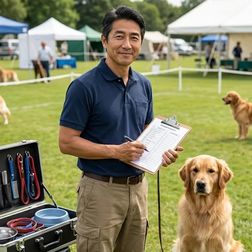
Stacking sounds simple until you actually try it. In this episode, we break down exactly how to position your dog in that perfect breed-standard pose judges are looking for at conformation shows. Whether you're a first-timer heading into the ring or someone who wants to refine their technique, we cover the two main stacking methods—hand-stacking and free-stacking—and walk you through a step-by-step training plan that takes most dogs about eight to twelve weeks to master. If you've ever wondered how show handlers get their dogs to stand so perfectly still and balanced, this one's for you. Key Takeaways Stacking means positioning your dog so all four legs, their head, and their tail are in exactly the right spots to show off their body shape and structure. Think of it like arranging a statue—you're making sure everything lines up to look its absolute best from every angle a judge might look at. There are two main ways to stack: hand-stacking, where you physically move each paw into place like arranging puzzle pieces, and free-stacking, where your dog learns to pose themselves when you give a command. Hand-stacking gives you more control, but free-stacking looks more natural and shows the judge your dog is well-trained. You can't rush this—it takes most dogs six to eight weeks of short daily practice sessions to get comfortable with hand-stacking, and even longer for free-stacking. It's like learning to ride a bike; your dog needs time to build muscle memory and figure out what you're asking them to do. Every breed has its own "correct" way to stack because different breeds are built differently. A Bulldog needs wider front legs to show off its chest, while a Terrier's legs should be close together. You have to study your specific breed's rules, or you'll be practicing the wrong thing. Practice doesn't help much unless you practice in realistic conditions—slippery floors, other dogs nearby, strangers touching your dog, loud noises. Training in a quiet backyard won't prepare your dog for the chaos of an actual show ring, so you need to add distractions on purpose once your dog knows the basics. Show Links Affiliate Disclosure: As an Amazon Associate I earn from qualifying purchases. Full article Related Articles New Dog Checklist: Everything You Need Before Adoption Day Best Automatic Dog Feeders: 10 Smart Feeders for Busy Pet Parents (2024) Understanding Geriatric Dogs: When Your Dog Becomes a Senior How Many Treats Can I Give My Puppy During Training? The Safe Daily Limit How to Introduce a Training Collar to Your Dog Without Causing Fear or Stress

Dog Show Equipment Checklist: Everything You Need for Ring Day
IA
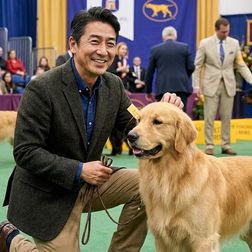
Dog Show Equipment Checklist: Everything You Need for Ring Day I'll be honest—I've never shown a dog in conformation myself. My world revolves around water parameters and reef chemistry, not ring presence and stacking. But over the past year, I've watched my neighbor prepare for dozens of shows with her gorgeous Golden Retriever, and the parallels to my own hobby are striking. Just like a successful aquarium setup depends on having the right equipment dialed in before you add fish, a successful show day depends on having your dog show equipment checklist completely sorted before you step into that ring. This comprehensive dog show equipment checklist covers everything from grooming essentials to ring-side necessities, organized by category so you can pack methodically rather than frantically stuffing items into your bag the night before. Grooming and Presentation Equipment Your dog's appearance is everything in conformation, and that means having the right tools to maintain their coat and overall presentation throughout the day. I've learned from watching countless pre-show grooming sessions that even the most beautifully bred dog needs proper equipment to look their best under …

Dog Conformation Shows Explained: Rules, Classes, and Judging Standards
IA
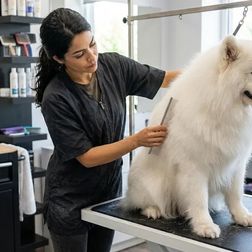
Ever wonder what's actually happening when dogs parade around a show ring? Most people think it's just a beauty contest, but conformation shows are really about evaluating how well a dog's physical structure matches what their breed was designed to do. This episode breaks down how these shows work, what judges are really looking for, and why any of it matters even if you never plan to step foot in a ring. Whether you're thinking about showing your dog or just trying to understand what those championship titles mean when you're looking at breeders, this gives you the full picture. Conformation judges aren't picking their favorite dog, they're measuring each dog against a written blueprint called the breed standard that describes the perfect structure for that breed. It's like grading dogs on how well their skeleton, muscles, and movement match what they need to do their original job, whether that's herding sheep or retrieving birds. Dogs earn championship points by beating other dogs of the same breed and gender at shows, and they need 15 total points including at least two big wins called majors to become a Champion. This can take a few months or a few years depending on how popular the breed is and how good the individual dog is compared to the competition. Movement reveals more about a dog's structure than just looking at them standing still. When a judge watches a dog trot around the ring, they can see if the bones are angled correctly and if the dog moves efficiently or if something's wrong with how they're built that makes them move in awkward or wasteful ways. The shows aren't just about trophies, they help breeders figure out which dogs have good enough structure and health to produce the next generation of puppies. When you see Champion in a puppy's family tree, it means multiple judges thought those parent dogs were really solid examples of the breed, which matters for anyone buying a pet. Professional handlers aren't required but they know how to show off a dog's strengths and hide weaknesses through grooming, positioning, and ring strategy. Owner-handlers, people showing their own dogs, can absolutely win, but there's a learning curve to presenting a dog well enough to compete with the pros. Show Links Affiliate Disclosure: As an Amazon Associate I earn from qualifying purchases. Full article Related Articles New Dog Checklist: Everything You Need Before Adoption Day Best Automatic Dog Feeders: 10 Smart Feeders for Busy Pet Parents (2024) Understanding Geriatric Dogs: When Your Dog Becomes a Senior How Many Treats Can I Give My Puppy During Training? The Safe Daily Limit How to Introduce a Training Collar to Your Dog Without Causing Fear or Stress

How to Groom Your Dog for a Conformation Show

IA
Grooming a dog for a conformation show isn't like giving your pet a regular bath and brush. It's a precise, multi-step process that can take anywhere from three to eight hours depending on your dog's breed and coat type. In this episode, Mariana Vasquez breaks down exactly how to prep your dog for the show ring, from pre-bath coat assessment all the way through to ring-side touch-ups. Whether you're working with a fluffy Golden Retriever or a wire-coated terrier, you'll learn the techniques that separate a polished presentation from a disappointing outing. Start by studying your breed's official standard before you even pick up a brush or scissors, because what looks good on one breed might be completely wrong for another. Think of it like following a recipe—you need to know what the final dish should look like before you start cooking. Never bathe a dog with tangles or mats in their coat, because water turns those knots into rock-hard clumps that you'll have to shave out. Always brush thoroughly first, removing all tangles with a slicker brush and metal comb, especially in areas that mat quickly like behind the ears and under the legs. How you dry your dog matters just as much as how you wash them—use a high-velocity dryer on medium heat and blow the air in the direction you want the hair to lie while brushing at the same time. This straightens the coat, adds volume where needed, and sets the texture properly instead of just getting the dog dry. Scissoring isn't about changing your dog's body shape, it's about revealing the structure that's already there by carefully removing excess coat and creating clean lines. Work slowly with sharp scissors, take lots of small cuts instead of big ones, and step back often to check your work from a distance. The biggest mistake beginners make is over-grooming—cutting too much coat just because they have scissors in hand. When you start removing hair without a clear reason, stop, take a break, and come back with fresh eyes before you do damage you can't fix. Show Links Affiliate Disclosure: As an Amazon Associate I earn from qualifying purchases. Full article Chris Christensen Big G Slicker Brush Chris Christensen White on White Shampoo Related Articles New Dog Checklist: Everything You Need Before Adoption Day Best Automatic Dog Feeders: 10 Smart Feeders for Busy Pet Parents (2024) Understanding Geriatric Dogs: When Your Dog Becomes a Senior How Many Treats Can I Give My Puppy During Training? The Safe Daily Limit How to Introduce a Training Collar to Your Dog Without Causing Fear or Stress
4 di 13