The Pet Parent Podcast

The Pet Parent Podcast

di Total Pet Parent
How Often Should You Bathe a Cat? The Truth About Feline Bath Frequency
IA
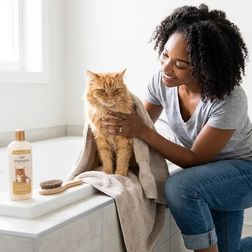
Ever stood in your bathroom holding cat shampoo, wondering if you're about to destroy your relationship with your feline friend? Professional groomer Jasmine Caldwell tackles the surprisingly controversial question of feline bathing frequency, drawing from nearly a decade of hands-on experience. This episode breaks down exactly which cats need regular baths, which ones should almost never see a tub, and how to handle the whole process without turning your bathroom into a disaster zone. Whether you're dealing with a greasy long-haired cat, an arthritic senior who can't groom anymore, or a kitten who rolled in something mysterious, this guide has you covered. Most healthy adult cats never need bathing—they spend 30 to 50 percent of their waking hours grooming themselves with tongue barbs that act like natural combs, so frequent baths often do more harm than good. Hairless breeds like Sphynx cats are the exception, requiring weekly or biweekly baths because their skin produces oils with no fur to absorb them. Long-haired breeds may need baths every four to six weeks if they develop mats or greasiness, but daily brushing with the right tool often solves the problem without water. Senior cats with arthritis or mobility issues sometimes need bathing every one to three months because reaching certain areas becomes painful or impossible. Never use dog or human shampoo on cats—the pH levels are different and can irritate their skin. The most common legitimate reasons for cat baths include medical conditions requiring medicated shampoo, obesity preventing self-grooming, litter box accidents, and emergency exposure to toxic substances that must be washed off before the cat licks them. Read the full article: https://totalpetparent.com/how-often-should-you-bathe-a-cat-the-truth-about-feline-bath-frequency

How to Trim Cat Nails Without Getting Scratched: 7 Vet-Approved Techniques
IA
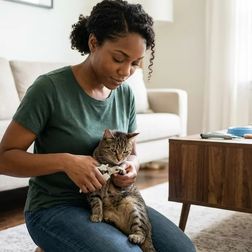
Ever walked away from a nail trim looking like you lost a fight with a rosebush? You're not alone. In this episode, professional groomer Jasmine Caldwell shares the hard-won techniques she developed after years of working with cats—skills that transformed nail trimming from a dreaded battle into a manageable routine. Whether you have an anxious kitten, a feisty adult, or a senior cat with arthritis, these seven vet-approved methods focus on working with your cat's natural instincts rather than overpowering them. The biggest mistake cat owners make is attempting to trim nails on day one—cats need gradual desensitization to paw handling over several days before clippers ever come into the picture. Timing matters more than technique: the ideal window for trimming is post-meal or after a play session when your cat is naturally drowsy, typically mid-morning or early afternoon when cats are least active. Your environment can make or break the experience—a warm room (70–75 degrees), non-slip surface like a yoga mat, and zero distractions dramatically reduce anxiety-triggered scratches. You don't need to trim all four paws in one sitting; breaking the task into micro-sessions focusing on just a few nails at a time builds trust and prevents overwhelm. Watch for subtle stress signals like flattened ears, tensing up, or pulling away—these tell you when to pause before your cat escalates to scratching. Essential supplies include cat-specific clippers (never dog clippers), styptic powder for accidents, high-value treats that actually excite your cat, and a cotton or fleece towel for the burrito wrap technique. Read the full article: https://totalpetparent.com/how-to-trim-cat-nails-without-getting-scratched

Best Cat Grooming Brush for Shedding: 9 Brushes That Really Remove Loose Fur
IA
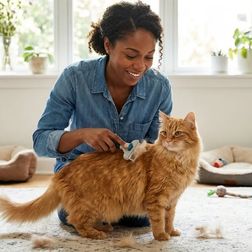
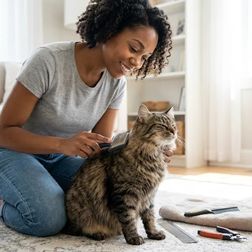
Ever wonder why your cat isn't completely bald despite the mountains of fur covering your furniture? The problem usually isn't your cat—it's your brush. In this episode, professional groomer Jasmine Caldwell breaks down the nine best cat grooming brushes for shedding, explaining why most people are using tools that just redistribute fur instead of actually removing it. Whether you're dealing with a fluffy Maine Coon or a sleek British Shorthair, you'll learn exactly which brush matches your cat's coat type and temperament. Stainless steel teeth with rounded tips are essential for cats because their skin is thinner and more sensitive than dogs—generic pet brushes or human hairbrushes only skim the surface without touching the undercoat causing the problem. Tooth depth should match coat length: short-haired cats need teeth around 2 inches or less, while long-haired breeds require 2.5 to 3 inches to penetrate past the topcoat. The FURminator dominates the market for good reason, but it's not ideal for every cat—single-coated breeds like Siamese or Burmese don't need aggressive deshedding blades and do better with a quality slicker brush. Most cats benefit from a combination approach: a deshedding tool during heavy seasonal shedding in spring and fall, paired with a gentler slicker or pin brush for weekly maintenance. Brush head size matters more than people realize—look for 2 to 3 inch heads that can navigate around a cat's angular bone structure without bumping whiskers or elbows and stressing them out. Self-cleaning buttons that release trapped fur in one sheet save significant time and frustration, but only if the mechanism is solid enough that it doesn't stick or leave fur trapped halfway. Read the full article: https://totalpetparent.com/best-cat-grooming-brush-for-shedding

How to Groom a Cat at Home: The Complete Guide for Stress-Free Grooming

IA
Ever tried trimming your cat's nails only to watch them turn into a furry tornado of claws and rage? You're not alone. In this episode, professional groomer Jasmine Caldwell shares hard-won lessons from years of working with cats and explains how to transform grooming sessions from stressful battles into calm bonding experiences. Whether you have a long-haired Persian prone to mats or a senior cat who can't reach their hindquarters anymore, this complete guide covers brushing, nail trimming, ear cleaning, and even the occasional bath—all from the comfort of home. Cats spend 30 to 50 percent of their waking hours self-grooming, but they still need human help with mats, nails, and areas they can't reach—especially senior, overweight, or long-haired cats. Desensitization is non-negotiable: spend days or weeks touching paws, ears, and face while offering treats before attempting any actual grooming, or you'll be setting yourself up for years of wrestling matches. Brushing technique varies dramatically by coat type—short-haired cats need a rubber curry brush once or twice weekly, while long-haired breeds require daily attention with multiple tools including wide-toothed combs and slicker brushes. For nail trimming, work quickly and clip only the clear curved tip, staying at least 2 millimeters from the pink quick—and you don't need to do all four paws in one session. Never use dog shampoo on cats, as it can contain permethrin, which is toxic to felines; stick to cat-specific formulas and rinse thoroughly to prevent skin irritation. Every grooming session doubles as a health check, giving you the chance to spot lumps, skin changes, or early signs of illness before they become serious problems. Read the full article: https://totalpetparent.com/how-to-groom-a-cat-at-home

5 Easy Homemade Puppy Training Treats Recipes (Ready in 20 Minutes)
IA
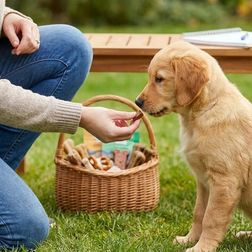
Tired of burning through expensive bags of training treats every couple of weeks? In this episode, Steven Whitlow shares five simple homemade puppy treat recipes that cost a fraction of store-bought options and take just twenty minutes to make. Whether you're training a brand-new eight-week-old or working with a puppy approaching their first birthday, these recipes give you complete control over ingredients while keeping your pup focused and motivated during training sessions. The ideal training treat is pea-sized or smaller, has a strong aroma for motivation, and features a soft texture so puppies can chew and swallow quickly without losing focus on you. Always check peanut butter labels for xylitol, a sweetener that's increasingly common in "natural" or "low-sugar" brands and is toxic to dogs—potentially causing life-threatening hypoglycemia and liver failure. The basic three-ingredient peanut butter training bites are perfect for beginners and can be stored for five days in the fridge or three months in the freezer, making batch prep easy. Sweet potato soft chews work especially well for puppies under twelve weeks who are still developing their adult teeth, thanks to their gentler texture. Chicken and oat training drops have the strongest aroma of all five recipes, making them ideal for distraction-heavy outdoor environments when working on recall or loose-leash walking. You don't need specialty equipment or hard-to-find ingredients—basic pantry staples like whole wheat flour, rolled oats, eggs, canned pumpkin, and low-sodium broth cover most recipes. Read the full article: https://totalpetparent.com/5-easy-homemade-puppy-training-treats-recipes-ready-in-20-minutes

How Many Treats Can I Give My Puppy During Training? The Safe Daily Limit
IA
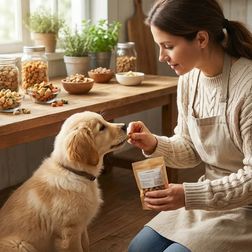
Think you're speeding up your puppy's training by handing out extra treats? You might actually be slowing their progress and setting them up for health issues down the road. In this episode, Steven Whitlow breaks down the exact formula for calculating your puppy's safe daily treat allowance and shows you how to maximize training results without overfeeding. Whether you're working with a tiny 8-week-old or a growing 5-month-old, these guidelines apply across all breeds and sizes—and you can start using them immediately. Treats should never exceed 10% of your puppy's total daily calorie intake—this is the veterinary nutritionist-approved standard that protects your puppy's balanced nutrition during critical growth phases. To calculate your puppy's baseline calorie needs, multiply their current weight in pounds by 50 to 60 calories, though large and giant breeds need fewer calories per pound (40-50) to protect developing joints. Treat size is deceiving—a single large biscuit can contain 50 calories while low-calorie training treats like Zuke's Mini Naturals contain only 3-4 calories each, giving you 25-30 treats for the same caloric cost. Puppies prone to weight gain, including Labrador Retrievers, Beagles, and Cocker Spaniels, should stay closer to 5-8% of daily calories from treats to avoid stressed joints and excess weight. The best training treats are soft, pea-sized or smaller, strongly aromatic, and contain no more than 3-5 calories per piece so your puppy swallows quickly and stays focused on learning. Reserve high-value treats like freeze-dried liver or cheese (8-12 calories per piece) for challenging training moments rather than everyday repetitions to stretch your calorie budget further. Read the full article: https://totalpetparent.com/how-many-treats-can-i-give-my-puppy-during-training-the-safe-daily-limit

7 Best Low Calorie Training Treats for Puppies That Won't Cause Weight Gain

IA
You're nailing puppy training—the commands are clicking, housebreaking is on track—but suddenly your pup is looking a little rounder than expected. The culprit? Those dozens of training treats adding up to a surprising chunk of your puppy's daily calories. This episode breaks down exactly what to look for in low calorie training treats, from the ideal calorie count per piece to texture and ingredient quality, so you can keep rewarding generously without watching your puppy's waistline expand. A proper training treat should contain no more than 3 calories per piece—ideally 1 to 2 calories—because handing out 50 to 100 treats daily can account for 10 to 30 percent of a small puppy's total caloric needs. Size matters more than you think: pea-sized or smaller treats let you rapid-fire rewards during critical learning windows without slowing down to break larger treats apart. Soft, chewy treats beat crunchy ones for training because puppies can swallow them in under two seconds and immediately refocus on you, rather than spending fifteen seconds chomping and losing momentum. Skip anything with artificial colors, flavors, or hard-to-pronounce preservatives like BHA, BHT, or ethoxyquin—puppies don't need them, and they add zero training value. Common allergens like chicken, beef, dairy, and wheat can cause itchy skin, ear infections, or digestive issues; single-protein treats using salmon, duck, or venison are solid alternatives if your puppy shows sensitivity. Consider your training environment before buying: super-soft treats melt in summer heat, some require refrigeration, and crumbly options will coat the inside of your treat pouch if you're training on the go. Read the full article: https://totalpetparent.com/7-best-low-calorie-training-treats-for-puppies-that-won-t-cause-weight-gain

How to Use Treats for Puppy Training: A Step-by-Step Guide That Actually Works
IA
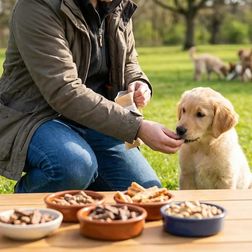
Tossing treats at your puppy whenever they do something cute might feel like training, but poor timing and the wrong rewards can actually teach bad habits or create a dog who only listens when they see food in your hand. This episode breaks down the real mechanics of treat-based training—from choosing the right size and texture of treats to nailing that critical one-second delivery window that makes learning stick. Whether you're bringing home your first puppy or struggling with a pup who seems uninterested in training, you'll walk away with a practical system that turns short sessions into real progress. The treat must be eaten in one second flat—anything that requires chewing breaks the mental connection between the behavior and the reward, so stick with soft, pea-sized pieces like freeze-dried liver or small training treats. Timing beats treat quality every time: delivering the reward within one second of the desired behavior is what creates clear communication, and practicing your marker word with a dropped pen can sharpen your reflexes before you even involve your puppy. High-value treats like cheese, tiny hot dog pieces, or freeze-dried meat are essential when competing with distractions, but regular kibble may work fine in calm environments—knowing when to upgrade keeps your puppy motivated. Training treats should make up no more than ten percent of your puppy's daily calories, so deduct what you use from regular meals to avoid overfeeding and digestive issues. Start in a boring, low-distraction room with one simple behavior like sit—setting your puppy up for quick wins builds confidence and prevents the frustration that comes from jumping into advanced commands too soon. A verbal marker like "yes" or a clicker tells your puppy exactly which behavior earned the reward, bridging the tiny gap between action and treat delivery so the lesson actually lands. Read the full article: https://totalpetparent.com/how-to-use-treats-for-puppy-training

Best Puppy Training Treats: 12 Top Picks for Fast Learning (2024 Review)

IA
Standing in the pet store aisle surrounded by dozens of treat options while your puppy wreaks havoc at home is a frustrating experience every new dog owner knows. In this episode, two-decade training veteran Steven Whitlow breaks down exactly what separates effective training treats from expensive failures. Whether you're struggling with a distracted puppy or worried about overfeeding during sessions, you'll learn the specific characteristics that make treats work as powerful communication tools during those critical early months of learning. Training treats should be pea-sized or smaller because a single session might involve 30 to 50 rewards—full-sized treats lead to weight gain and puppies who lose interest after just a few repetitions. Soft, chewy treats outperform crunchy biscuits for one critical reason: speed. Marking behavior within half a second is essential, and hard treats that require chewing break your puppy's focus and weaken the connection between action and reward. Training treats should account for no more than 10 percent of your puppy's daily calories. At 150 treats per day across multiple sessions (around 450 calories), you may need to significantly reduce regular meals to prevent joint problems, especially in large breeds. Keep both high-value and medium-value treats on hand—save the smelly, meat-heavy options for challenging situations like recall at the dog park, and use milder treats for basic commands at home. Soft treats dry out within weeks of opening, so transfer them to airtight containers immediately and refrigerate preservative-free options to extend shelf life from weeks to months. Puppies under four months need extra-soft treats because their baby teeth are still developing—harder treats can cause discomfort and lead to puppies spitting out rewards rather than eating them. Read the full article: https://totalpetparent.com/best-puppy-training-treats
13 di 13