Mrs. Janiskee's AP U.S. Government and Politics Podcast

Mrs. Janiskee's AP U.S. Government and Politics Podcast

di Jennifer Janiskee
Stagione 1
McCulloch v. Maryland/ Marbury v, Madison
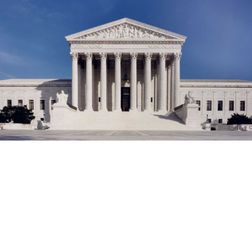
If Marbury v. Madison "promised" that the Supreme Court would exercise great authority in shaping the laws of the land, McCulloch v. Maryland fulfilled that promise for the first time. Arguably no other decision has so profoundly defined national power. McCulloch remains today a fundamental bedrock of American constitutional law.
Foundational Documents Explained: Letter from a Birmingham Jail
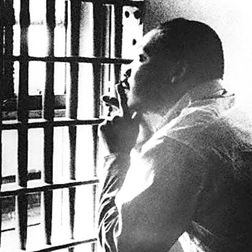
Martin Luther King Jr. wrote the Letter from Birmingham Jail while he was imprisoned for leading nonviolent civil rights demonstrations in Alabama in 1963. The Letter from Birmingham Jail explains why MLK believed people had a responsibility to follow just laws and a duty to break unjust ones.
Foundational Documents Explained:Federalist 78
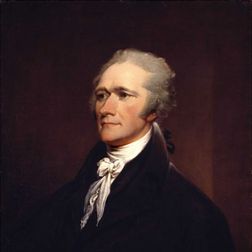
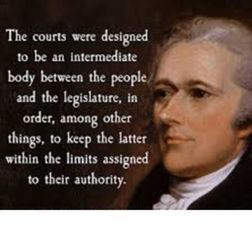
In this episode Mrs. J walks you through another of your required documents for AP Government, Federalist 78. In this essay from the Federalist Papers, Alexander Hamilton argues for the powers of the judicial branch of the federal government. He says that the best way to keep the Supreme Court (and other federal courts) independent from the other branches is through the lifetime appointments of its judges. Additionally, Hamilton argues that the chief power the Supreme Court is the power of judicial review.
Foundational Documents Explained- Federalist 70
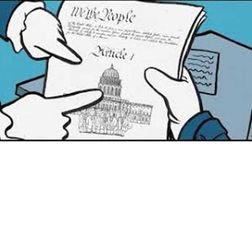
Federalist 70 argues in favor of the unitary executive created by Article II of the United States Constitution. According to Alexander Hamilton, a unitary executive is necessary to: ensure accountability in government.
Foundational Documents Explained-Federalist 51
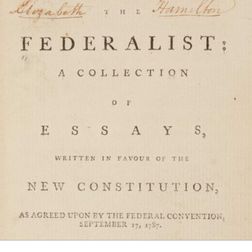
Federalist 51 addresses the importance of checks and balances in defense of the United States Constitution.
Foundational Documents Explained-Brutus No1
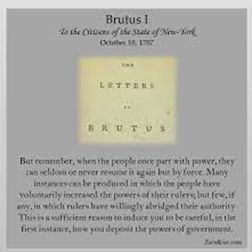
Brutus 1 argued that federal power was bad and that the Constitution gives too much power to the federal government. For example, the Necessary and Proper Clause would allow the federal government to make any laws, and the Supremacy Clause that said that federal law supersedes state law would give states no power to disagree with the federal government.
Foundational Documents Explained- Federalist 10
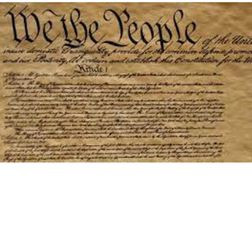
In Federalist 10 James Madison argues that a large republic is the best way to control factions, to delegate authority to elected representatives, and to disperse power between the states and national government.
Foundational Documents Explained-The U.S. Constitution
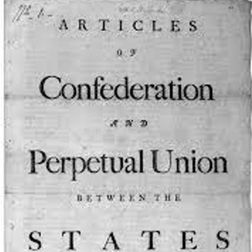
In this episode I will be going over the U.S. Constitution. This is an overview of the powers included for each branch and how the Constitution addressed the weaknesses of the Articles of Confederation. The Bill of Rights will be discussed in my next episode.
Foundational Documents Explained-The Articles of Confederation
The Articles of Confederation was the document that governed the newly founded United States of America. However, the Articles were too weak in order to deal with United States affairs.
Foundational Documents Explained- The Declaration of Independence
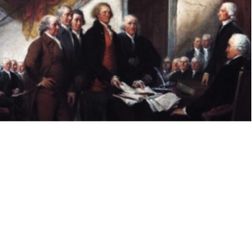
The Declaration of Independence expresses the ideals on which the United States was founded and the reasons for separation from Great Britain.