MC Anime Podcast

MC Anime Podcast

di Maison Collawn
Stagione 4

JonBenét Ramsey Murder Mystery

In this episode, we dive into one of the most perplexing and widely discussed cases in true crime history—the tragic murder of six-year-old JonBenét Ramsey. Our guest, Taija, a personal correspondent, cannabis user, and true crime enthusiast, joins us as we navigate through the intricacies of this chilling case that captivated and mystified the world. Together, we explore the initial investigation and how it unfolded, setting the stage for what would become a highly publicized and controversial murder mystery. From the very start, the case was rife with complexities, with police and investigators facing challenges in their attempt to find answers amid intense media scrutiny and widespread speculation. Moving into the evidence found at the scene, we discuss some of the pivotal discoveries that shaped the direction of the investigation. From the peculiar ransom note to the various pieces of physical evidence, every detail raised more questions than answers. Taija helps unpack the significance of these findings and the theories that emerged as investigators and the public tried to make sense of the clues left behind. The inconsistencies in the evidence, coupled with what some consider to be investigative missteps, have kept this case open to interpretation and conspiracy for decades. As we continue to piece together the evidence and seek answers, we delve into the numerous theories surrounding JonBenét’s murder. We examine the various suspects who came under suspicion, as well as the lingering questions and alternate explanations that many believe were never fully addressed. From family members to potential intruders, the case's unsolved nature invites countless interpretations. Taija offers her own insights as a true crime aficionado, looking at both conventional and unconventional possibilities while considering how bias and sensationalism might have affected the investigation's outcome. Finally, we look at the aftermath of the JonBenét Ramsey case and its impact today. Even decades later, this case remains a point of fascination and frustration for both the public and the true crime community. We discuss how the unresolved nature of JonBenét’s murder has influenced law enforcement practices, true crime media, and public attitudes toward high-profile cases. The enduring mystery continues to spark new interest, with documentaries, books, and online forums keeping the conversation alive as people still search for justice and answers. Taija reflects on how the legacy of this case has shaped public perception and what it represents within the realm of true crime. In the end, the JonBenét Ramsey case remains one of the most haunting unsolved mysteries, a reflection of the challenges and limitations within criminal investigations, and a testament to society's enduring search for truth.

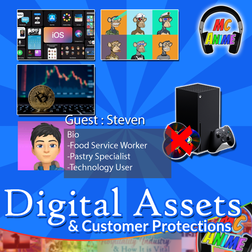
Digital Assets & Customer Protections

In this episode, our guest Steven, a food service worker, pastry specialist, and enthusiastic technology user, joined us to discuss the rise of digital assets and the need for customer protections in this rapidly evolving space. We began by exploring Xbox’s shift towards a fully digital gaming ecosystem, where the traditional physical game disks are being replaced by cloud gaming, downloadable content, and subscriptions like Xbox Game Pass. While convenient, this change raises important questions for consumers, such as how their purchased content will be handled in the long run and the potential loss of access if digital services are discontinued. With the future of gaming becoming increasingly digitized, customer protections surrounding ownership rights and data retention are more crucial than ever. We also touched on Apple’s streamlining of its software, particularly for iPhones, and how this impacts consumers. Apple has consistently worked to create a more integrated and seamless user experience across its devices. However, this level of control also brings up concerns over device longevity, planned obsolescence, and how users can ensure they aren’t left behind when new software updates are no longer compatible with older devices. It’s a delicate balance between innovation and consumer protection, and Steven highlighted his perspective as a day-to-day tech user navigating these changes. Another significant part of the conversation revolved around the rise of digital stocks and Bitcoin cryptocurrency. Steven shared his thoughts on the volatility of the cryptocurrency market and how everyday people are navigating investments in digital assets. As digital currencies and stocks become more mainstream, there’s a growing need for protective measures to guard against fraud and ensure transparency for investors. The accessibility of these digital investments is both a benefit and a risk, especially for those without much experience in financial markets. Lastly, we delved into the controversial and booming market of NFTs (Non-Fungible Tokens). NFTs have opened up a new frontier in digital art and asset ownership, but they also bring about ethical and legal concerns, particularly around issues of copyright, environmental impact, and long-term value. While Steven recognized the potential for digital creators to monetize their work through NFTs, the lack of regulation in this space poses risks to buyers who may not fully understand the market. The digital world is transforming rapidly, and with it comes both opportunities and challenges. As companies push the envelope of digital innovation, it’s vital that customer protections keep pace to ensure users’ rights and assets are safeguarded.

Intellectual Property & Ways to Protect Them

In this episode, we delved into the complexities of Copyright, focusing on its implications in the age of artificial intelligence (AI). Copyright grants creators exclusive rights over their original works, including music, art, literature, and more. As AI technologies advance, a pressing question arises: Can AI-generated content hold copyright? This is particularly significant as AI systems are increasingly capable of producing original works. The ongoing legal discussions surrounding this issue often involve allegations of copyright infringement, where plaintiffs argue that their rights have been violated by AI-generated works that may borrow elements from existing creations. This debate is further complicated by the concept of fair use, which allows limited use of copyrighted materials without permission under specific circumstances. The balance between protecting creators and allowing transformative uses is a critical point of contention in the evolving landscape of copyright law. Moreover, we explored the public domain, which refers to works that are no longer under copyright protection and can be freely accessed and utilized by anyone. Works enter the public domain when their copyright expires, allowing them to contribute to a rich pool of cultural and creative resources. Understanding fair use and public domain is essential for navigating copyright issues, especially in contexts where innovation and creativity intersect with existing intellectual property rights. Shifting our focus, we discussed Trademarks, which protect brands by ensuring that consumers can identify the source of goods or services. Trademarks prevent confusion in the marketplace and can cover names, logos, slogans, and even colors. They require continuous use and protection to maintain their validity, highlighting the importance of vigilant brand management in today’s competitive landscape. We also covered Patents, which protect inventions by granting exclusive rights to the inventor for a specific period. This encourages innovation by allowing inventors to reap the benefits of their creations without the fear of imitation. The patent process can be complex and often requires a thorough understanding of both the invention and the legal landscape to navigate successfully. Finally, we examined Trade Secrets, which refer to confidential business information that provides a competitive edge. Unlike patents, trade secrets are not publicly disclosed, making them potentially valuable indefinitely as long as the information remains secret. Companies invest in safeguarding their trade secrets through non-disclosure agreements and strict internal policies, as the loss of this information can have dire consequences for their market position. In conclusion, intellectual property rights play a crucial role in protecting creativity and innovation across various fields. As we navigate the challenges presented by emerging technologies, understanding how to leverage copyright, trademarks, patents, and trade secrets becomes increasingly important for individuals and businesses alike. The dialogue surrounding these topics is vital in fostering a culture of respect for intellectual creations while encouraging new ideas and advancements in our society.


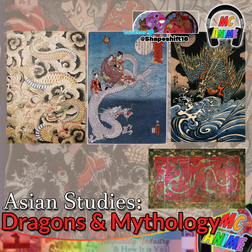
Asian Studies: Dragons & Mythology

In this episode, we took a deep dive into the cultural significance and mythology surrounding dragons throughout Asia, guided by our guest Crystal Twitter: @shapeshift16, [https://twitter.com/Shapeshift16]. As a commission artist, TCG player, and dragon enthusiast, Crystal brought a wealth of knowledge and passion to our discussion, offering a unique perspective on how dragons are portrayed and perceived in different regions across Asia. We began by looking at the Overview of Dragons Across Asia, covering the varying depictions from China, Japan, Southeast Asia, South Asia, and West Asia. Each region has its distinct interpretation—dragons are seen as symbols of power and wisdom, intertwined with nature and the spiritual realm. We then transitioned into a conversation about the Perception of Dragons in Asian Society, highlighting how different Asian cultures often regard dragons with reverence. Unlike Western depictions where dragons are often destructive forces to be vanquished, Asian dragons are seen as protectors or symbols of good fortune and prosperity. This perception reflects a broader view within Asian society, where dragons embody strength, control over the elements, and deep spiritual significance. Our conversation then dove into the Myths and Legends of Dragons across Asia. From the Lung of Chinese mythology to the Tatsu of Japan, dragons play a critical role in ancient stories, often depicted as guardians or creators. These legends are deeply embedded in the cultural fabric of each region, often serving as metaphors for larger natural or cosmic forces. Crystal enriched this conversation by drawing from her vast knowledge of the deep cultural connections Asian societies have with dragons, noting how these mythical creatures continue to influence modern media and folklore. In conclusion, the discussion highlighted that dragons are more than just mythical creatures; they are an enduring symbol of strength, wisdom, and spirituality in Asian cultures. Dragons play a significant role across a wide variety of cultural expressions, from religious rites to folklore, from art to modern storytelling. Crystal's perspective brought to light how integral these creatures are to understanding Asia's history and how they’ve been interpreted and reinterpreted through centuries. We examined how dragons serve not only as protectors and creators in these cultures but as embodiments of elemental forces, societal values, and cosmic power. The enduring reverence for dragons in Asia reflects their profound cultural significance, making them more than just legendary beings—they are symbols that unify past, present, and future generations. This connection continues to influence modern depictions in art, film, and even global pop culture, demonstrating how dragons have transcended their mythical origins to become a part of the living, breathing cultural landscape of Asia today. Through this exploration, we were able to appreciate the depth of reverence and the multi-faceted role dragons play in shaping both the past and present, solidifying their place in Asian and global narratives for years to come.

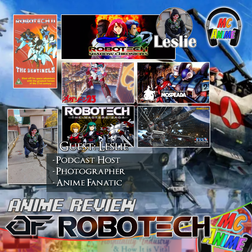
Anime Review of Robotech

In this episode, we took a deep dive into the Robotech universe, focusing on its three distinct sagas and the films that expanded the series. Starting with The Macross Saga (SDF Macross), we explored the origins of the iconic series, where the combination of mecha, space battles, and intricate human drama set the foundation for the larger Robotech narrative. Leslie shared insights into how the themes of survival and cultural fusion between humans and aliens were a central part of what made this saga so compelling. Next, we discussed The Masters Saga (Southern Cross), which shifted the narrative to new characters and conflicts, as humanity faces the threat of the Robotech Masters. We examined how this part of the series introduced deeper political elements and generational changes, highlighting the transition of leadership and the new challenges faced by Earth’s defenders. Moving on to The New Generation (MOSPEADA), we analyzed the invasion by the Invid and how the tone of the series shifted to focus on resistance and rebuilding. This saga's grittier, more survivalist narrative offered a new dimension to the Robotech universe. We talked about how the characters' personal growth and quest for hope made this arc stand out. Finally, we covered The Movies (MegaZone 23, The Sentinels, & Shadow Chronicles), exploring how these films expanded and deepened the lore of the Robotech universe. Leslie and I reflected on how MegaZone 23 offered a unique cyberpunk perspective, while The Sentinels and Shadow Chronicles continued the saga, giving fans more insight into the broader intergalactic conflicts and character arcs left unresolved in the series. To conclude, Robotech remains a foundational series in anime history, blending multiple genres like mecha, drama, and space opera to create a compelling narrative across its sagas. Leslie and I agreed that each arc—whether it's the epic beginning with The Macross Saga, the political undertones of The Masters Saga, or the gritty fight for survival in The New Generation—offers something unique to fans of science fiction and anime alike. The accompanying movies further enriched the lore, keeping Robotech alive in the hearts of its dedicated fanbase. Ultimately, Robotech's lasting impact on the world of anime, both in terms of storytelling and character development, cannot be overstated, making it a must-watch for both longtime fans and newcomers.

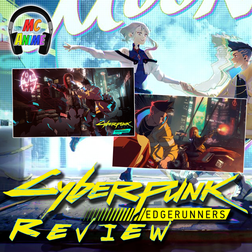
Cyberpunk Edgerunners Review

In the latest episode of the "Cyberpunk Edgerunners Review" podcast, the hosts dive deep into the richly immersive world of the anime series set in the Cyberpunk 2077 universe. The episode begins with an overview of the show’s premise, detailing how it fits into the broader lore of the Cyberpunk franchise. The hosts enthusiastically discuss the series' narrative structure, character development, and the thematic depth that explores the human condition in a dystopian future. Their analysis provides a comprehensive understanding of the show's plot and its impact on viewers. The podcast episode then transitions into a detailed review of the animation style and visual aesthetics of "Cyberpunk Edgerunners." The hosts praise the show's vibrant and gritty art direction, which they believe captures the essence of Night City perfectly. They highlight the blend of traditional anime techniques with modern digital effects, creating a unique visual experience that stands out in the crowded landscape of animated series. The discussion also touches on how the animation complements the story, enhancing the emotional resonance of key scenes. Character analysis is a major focus of the episode, with the hosts dissecting the development of central figures like David Martinez and Lucy. They commend the depth of the character arcs, noting how each character's personal struggles and motivations are intricately woven into the narrative. The podcast also features listener feedback, with several fans sharing their own perspectives on the characters' journeys and their connections to the broader themes of identity and survival in a cyberpunk world. The episode also includes an exploration of the show's soundtrack and sound design. The hosts discuss how the music and sound effects contribute to the atmosphere of the series, enhancing the overall viewing experience. They delve into specific tracks and their role in setting the tone for various scenes, and how the soundscape adds to the immersion in Night City's chaotic environment. This segment is particularly appreciated by listeners who are fans of the show's music and its impact on their emotional connection to the series. In addition to the in-depth review, the podcast features a segment on the show's reception and its impact on the Cyberpunk 2077 community. The hosts discuss how "Cyberpunk Edgerunners" has influenced perceptions of the Cyberpunk universe and contributed to the game's resurgence in popularity. They analyze fan reactions and how the series has sparked renewed interest and discussions within the gaming community, further enriching the franchise's lore. The episode concludes with predictions and hopes for future content related to "Cyberpunk Edgerunners." The hosts speculate on potential storylines, character developments, and possible crossovers with other parts of the Cyberpunk universe. They also encourage listeners to share their own predictions and thoughts on where the series might head next, fostering a sense of community and anticipation among fans. This engaging wrap-up leaves listeners excited for the future of the series and eager for the next episode of the podcast.

Asian Studies: China in the World's Sphere

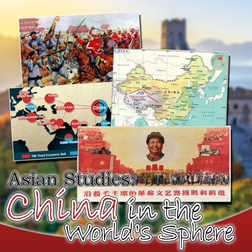
In this episode, we embarked on a comprehensive journey through the various historical phases of China, examining how each period shaped not only the nation itself but also how the world has perceived China over the centuries. From the ancient beginnings to the modern-day superpower, China's history is a rich tapestry woven with cultural, political, and social threads that have left a lasting impact on the global stage. We began with Ancient China, a time when the foundations of Chinese civilization were laid. We discussed the emergence of key philosophies like Confucianism and Daoism, the early dynasties that centralized power, and the remarkable inventions such as papermaking, gunpowder, and the compass. During this period, China was often viewed by the rest of the world as a land of great wisdom and mystery, a cradle of knowledge that would influence neighboring regions and beyond. Moving forward, we explored the era of Imperial China, where powerful dynasties like the Han, Tang, Song, and Ming ruled vast territories. We delved into the significance of the Silk Road in establishing China as a central hub of trade, diplomacy, and cultural exchange. This period solidified China’s image as a formidable empire with a highly sophisticated society, deeply influencing the cultures of Korea, Japan, Southeast Asia, and even reaching Europe. Our discussion then transitioned to the Republic of China, a period marked by significant change and modernization. Established after the fall of the Qing Dynasty, this era was characterized by political instability, civil war, and the struggle to modernize while holding onto traditional values. The world viewed China with a mix of curiosity and concern during this time, as it grappled with internal conflicts and the pressures of external influences from Western powers and Japan. We then delved into the era of the People's Republic of China, focusing on the dramatic transformations that took place under Communist rule. From the Cultural Revolution to the economic reforms of the late 20th century, China’s global image shifted from that of an isolated, agrarian society to an emerging industrial and technological giant. We discussed how this period redefined China’s role in the world, transitioning from a state of relative obscurity to a major player on the global stage. In conclusion, our exploration of China's history highlighted the enduring complexity and influence of this ancient civilization. Each period, from the ancient to the modern, has contributed to a unique global perception of China, shaping the way the world views this vast and enigmatic nation today. China’s journey from a mysterious ancient empire to a contemporary superpower continues to fascinate and challenge the global community, making its study as relevant as ever.

Cosmic Punch and For All Nerdkind

In this episode, we had the pleasure of speaking with Juan "Punchy" Gonzalez, a talented musician, video maker, and audio engineer. We began by diving into the musical universe of Cosmic Punch, exploring the vibrant tracks that define their sound. Juan shared the creative process behind some of their most popular music tracks, revealing the inspiration and hard work that go into each piece. The discussion highlighted how Cosmic Punch's unique sound has captured the hearts of many fans. We then turned our focus to their latest album, For All Nerdkind. Juan explained how the album resonates with nerd culture, weaving in influences from various facets of the fandom world. He detailed the thematic elements of the album and how each track was crafted to celebrate and elevate nerd culture. The conversation also touched on the reception of the album and its impact on listeners who share a deep appreciation for the nerd community. The influence of nerd culture on music was another fascinating topic we explored. Juan shared his insights on how music can impact and reflect nerd culture, creating a unique bridge between the two. We discussed the mutual inspiration between music and various nerdy mediums, such as comics, video games, and movies. Juan's perspective on this synergy offered a fresh look at how cultural elements can blend to create something truly special. Finally, Juan opened up about his personal journey in music, detailing the experiences and inspirations that have shaped his career. From his early days in the industry to his current projects, we got a comprehensive look at the musical background of this multifaceted artist. Juan's story is a testament to his dedication and passion for music, and it was inspiring to hear about his path to success. Join us as we explore the intersection of music and nerd culture with the incredible Juan "Punchy" Gonzalez! Please support Juan at https://www.cosmicpunch.com/ for anything Cosmic Punch and even their music for more projects.

Celebrating 25 Years of Digimon

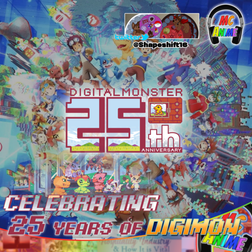
In this episode, we celebrated 25 years of Digimon with our guest, Crystal (Twitter: @Shapeshift16). We kicked off the discussion by exploring the origins of Digimon, tracing its roots from a virtual pet to a multimedia franchise that has captured the hearts of fans around the world. We delved into the various Digimon anime series, highlighting the unique themes, character developments, and story arcs that have made each series memorable. Crystal shared her insights as a long-time fan, providing a deeper analysis of how the anime has evolved over time and its impact on the animation industry. Next, we analyzed different Digimon shows, discussing their individual contributions to the franchise and how they have resonated with audiences. We also explored the movies of the Digimon franchise, reviewing their storylines, animation styles, and their significance within the larger Digimon universe. Throughout the episode, we reflected on the cultural impact of Digimon and how it has influenced a generation of fans. Join us as we reminisce about the beloved Digimon series, celebrating its legacy and looking forward to its future!

Luck-Based Power Users

In this episode, we're exploring luck-based powers in anime with our guest, Hesh. These powers often play a significant role in shaping the narratives of their respective series. Let's dive into some examples: 1. King from "One Punch Man": King possesses a unique aura known as The King Engine, which exudes an overwhelming sense of fear, influencing those around him. His luck seems to defy all odds, earning him the title of a "born lucky" individual. 2. Sakura Ichiko from "Good Luck Girl": Sakura Ichiko wields the power of Unparalleled Luck Immensity, also referred to as Absolute Luck. This extraordinary ability grants her unparalleled fortune and influence over the world around her, making her a member of the "absolute luck" category. 3. Haruta Shigemo from "Jujutsu Kaisen": Haruta Shigemo possesses a Cursed Technique known as Supernatural Luck. This power grants him a significant advantage in combat situations, showcasing his supernatural luck and influencing his actions throughout the series. 4. Priscilla Barielle from "Re:Zero": Priscilla Barielle commands the power of Extraordinary Luck, also known as Golden Luck. Her ability seems to manipulate fate itself, guiding the events of her world and earning her a place in the "golden luck" category. These characters and their luck-based powers offer intriguing insights into the themes of fate, destiny, and the impact of fortune on the world around them. Join us as we explore the fascinating dynamics of luck in the realm of anime!
4 di 20