My Decisive Learning

My Decisive Learning

di Daryl Taylor-Hazel
Stagione 5

The Dangerous Chemistry of DIY Natural Cleaners

Safety First. Never mix ingredients until you have researched their compatibility. Keep all products out of reach of children and pets. Keep products away from skin. Do not assume that because something is called an "all-purpose cleaner," it is safe for absolutely everything. Vinegar is acidic and can damage or etch certain surfaces. Avoid using this vinegar-based cleaner on: Marble Granite Limestone Other natural stone surfaces Some finished wood surfaces Surfaces where the manufacturer's instructions prohibit vinegar Vinegar can etch natural stone, so always check the manufacturer's cleaning recommendations first. When you're uncertain, test your cleaner on a small, inconspicuous area first.

Track Down the Hiring Manager's Name

Your cover letter should complement your résumé—not simply repeat it. The strongest letters connect your experience and accomplishments directly to what the employer is seeking. Whether you're applying for your first job, changing careers, returning to the workforce, or looking for a new opportunity, this step-by-step guide can help you create a more professional job application.
Stagione 4

How Carrier Oils Rebuild Your Skin

*Safety first. Always do a patch test before using any product. Looking for an easy way to make your own hand cream at home? In today's DIY project, we're making a rich and moisturizing homemade hand cream using simple ingredients including shea butter, jojoba oil, and beeswax. This easy water-free recipe is perfect for creating a small personal batch and can be customized with an optional essential oil for fragrance. We'll walk through the entire process—from measuring and melting the ingredients to cooling, storing, and using your finished hand cream.

How to Use Essential Oils in Moisturizer

Want soft, moisturized skin without spending a fortune on expensive body-care products? In today's DIY project, we're making a simple homemade body moisturizer using shea butter and jojoba oil. This beginner-friendly recipe creates a rich, creamy, whipped moisturizer that you can customize with your favorite cosmetic-safe ingredients — or leave completely fragrance-free.

DIY Hair Conditioner Guide

*As with any new product, always use special care. A patch test is suggested. Why spend a fortune on hair-care products when you can make a simple conditioning treatment at home? This homemade treatment is particularly suited to dry, coarse, frizzy, curly, or hard-to-manage hair. We'll show you how to combine the ingredients, apply the treatment, how long to leave it on, and how to rinse it out. We'll also explain why it's important to be careful when making and storing homemade hair-care products.

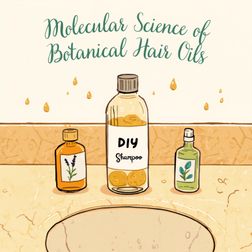
Molecular Science of Botanical Hair Oils

*Remember to take all precautions when working with any chemicals. Want to try making your own shampoo at home? In this episode, we'll show you a simple beginner-friendly approach to creating a customized shampoo using an unscented, pre-formulated shampoo base. We'll discuss the ingredients, demonstrate how to mix and bottle your shampoo, explain how to customize the fragrance, and share important tips about hair types, skin sensitivity, storage, and safe DIY formulation. We'll also explain why some popular homemade "shampoo" recipes—such as baking soda, vinegar, or ordinary soap—may not be appropriate for regular hair washing. Whether you're interested in natural living, saving money, reducing packaging, or simply enjoy making things yourself, this project is a great introduction to homemade personal care.

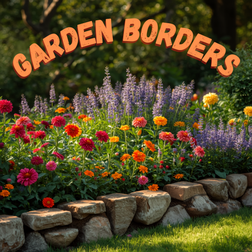
Garden Borders

The great thing about garden edging is that you don't necessarily need an expensive landscaping project. Some approaches can be created with inexpensive, reclaimed, or readily available materials. We'll also discuss how to choose edging based on your garden's style, budget, maintenance requirements, and mowing needs.

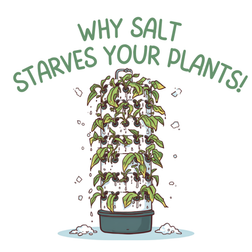
Why Salt Starves Your Plants

Want to grow fresh vegetables and herbs but don't have a lot of garden space? In this episode, we'll show you how to build your own upright vertical hydroponic garden tower using readily available materials. You'll learn how a vertical hydroponic system works, what materials you'll need, how to create the planting openings, install the pump and water-delivery system, prepare your growing medium, add seedlings, mix nutrients, provide proper lighting, and maintain your garden. We'll also discuss some of the most common beginner mistakes and how to avoid them.

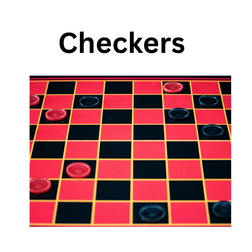
Checkers, it's Many Faces

Checkers looks simple — but behind those familiar red and black pieces is a fascinating history stretching back through centuries of board-game development. In this episode, we'll teach you how to play standard American checkers, including setting up the board, moving pieces, making captures, performing multiple jumps, becoming a king, and winning the game. Then we'll travel through the history of checkers and draughts, exploring the connection with the medieval game Alquerque, the development of the game on the 8-by-8 chessboard, the first books about draughts, and the spread of the game around the world. We'll also explore several variations, including: • American Checkers • International Draughts • Spanish Draughts • Italian Draughts • Russian Draughts You'll discover that these games can differ dramatically in board size, movement, capturing rules and the power of kings. We'll also look at one of the most fascinating chapters in checkers history: the development of computer checkers and the mathematical solution of American checkers. Whether you're a complete beginner, a longtime checkers player, a parent teaching a child, or simply interested in the history of classic games, this episode has something for you.

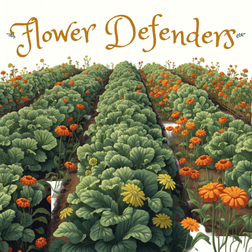
Flowers, the Vegetable Garden Defenders

What if some of the best allies in your vegetable garden aren't pesticides, traps, or expensive products—but flowers? That's right. The flowers growing around your tomatoes, peppers, cucumbers, squash, and cabbage can do much more than make your garden look beautiful. Certain flowers can attract beneficial insects, confuse or distract some pests, and in some cases actually help reduce insect damage. Today we're looking at flowers you can consider adding to your vegetable garden to create a healthier, more diverse garden ecosystem. And there's an important point we'll make throughout this episode: Flowers aren't magic pest repellents. Their effectiveness depends on the flower, the vegetable, the pest, and how the plants are arranged.

1 di 7