Registrati gratis
Funzionalità
Risorse
Prezzi
Podcasts
Registrati gratis
Accedi
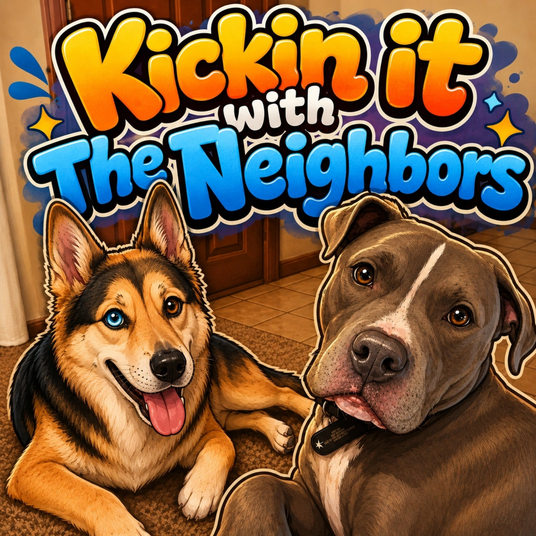
Kickin It With The Neighbors
di Rooster & Riri
Commedia
Notizie
Feed RSS
Sito web
Ascolta su
Condividi
Voicemail
Episodi
Dettagli
Stagione 1
Broke, Free, Now What?
Esplicito
Following episode 9 learn how to break free from the shackles of a "9-5" and grow.
Edge of Sanity Pt 1
A core segment of the show explores sorting through rumor versus reality in relationships, encouraging listeners to keep moving forward despite external chaos. Riri and Rooster focus on the friction and connections within a local community. They dive into what it means to live on the "edge of sanity" when managing daily stressors, interpersonal drama, and neighborhood expectations.
Chaos in the streets, Freak in the sheets Pt2
Picking up immediately where Part 1 left off, this segment leans into comedy, relatable neighborhood drama, and relationship advice. The hosts explore how maintaining an overly perfect, organized "front" on the block often hides chaotic, passionate, or eccentric behaviors in private life.
The KJ Kick Off
Shifting away from drama, the hosts focus heavily on the positive aspects of individual ambition, discipline, and personal growth.
Triple R: Deeper Than The Damage
Listen at a lower volume including with headphones (we apologize for the scratchy audio). Big changes happening we have to readjust. Love this episode though. Definitely a deep conversation. Enjoyed the shared emotions despite the tears. Randy on family boundaries, military growth, and choosing healthy relationships. This episode is especially useful if you are navigating family tension, trying to build healthier friendships, or figuring out how big life transitions can force clarity.
Survival Instincts
See our YouTube For face Reveal!!! What if anxiety, burnout, and even “glitches in reality” are not signs you are broken, but signals that your brain is trying to survive a world it was never designed for? In this face-reveal episode, Riri and Rooster a deep, unfiltered ride through perception, trauma, dopamine overload, and the uncomfortable idea that modern life may be quietly training us to feel trapped, numb, and hyper-alert all at once.They connect strange-feeling moments like deja vu, sleep paralysis, Capgras-style recognition failures, and the sense that people around you are just moving through the background, to a bigger conversation about how the mind filters reality. From there, the discussion turns personal and practical, as Rooster opens up about PTSD, hypervigilance, and the routines that help him stay grounded, while Riri pushes into the importance of acceptance, emotional truth, and refusing to waste energy fighting facts. You’ll discover: Why anxiety may be less of a “chemical defect” and more like an ancient radar stuck on in the wrong environment How dopamine loops, doomscrolling, and constant digital validation are reshaping attention, stress, and burnout Why family systems and friend groups often react so strongly when you change, heal, or set boundaries The idea of homeostasis in relationships - and why growth can trigger guilt, gaslighting, and pushback How grounding, routine, nature, and small daily rituals can help you feel real again Rooster brings hard-earned insight from military experience, PTSD, and the long work of rebuilding a life with structure and intention. Riri frames the conversation through a psychological and philosophical lens, tying together survival instincts, emotional independence, and the cost of living inside other people’s expectations. This episode gets into the fear of being cast out, the pressure to play the role other people assigned you, and the freedom that comes from accepting that some people will call your growth “crazy” simply because it threatens their version of reality. It also widens out to bigger questions about the Fermi paradox, reincarnation, consciousness, and whether the universe itself might be more structured, fragile, and programmable than it appears. Perfect for anyone who feels overstimulated, misunderstood, or ready to break old patterns and build a life that actually fits. If you’ve ever needed a reminder that you are not alone in questioning reality, this one will hit hard
In Depth
Mental health, toxic relationships, and self-worth can wreck your life - or become the reason you finally rebuild it. We get brutally honest about trauma, ADHD, depression, boundaries, and what it takes to stop surviving long enough to start healing. Riri opens up about a childhood marked by CPS, hereditary mental health struggles, misdiagnosis, and the fallout of being medicated without being heard. Rooster adds his own perspective from military trauma, reintegration, chronic pain, and the slow-burn reality of learning to recognize triggers before they take over. Together, we talk through the messy middle: the part where you know something is wrong, but still have to decide what to do next. We break down:Why self-awareness is not the same as healing, How to spot toxic patterns before they swallow your relationships, Why leaving something unhealthy can still feel like losing, What it means to build boundaries without becoming cold, How support systems, pets, routines, and honest friends can keep you grounded We also get into the harsh reality of mental health care, including medications that made things worse, expensive diagnoses, and a system that too often treats symptoms like a business model instead of a human problem. From family dynamics and paranoia to the pressure of becoming your own support system, this conversation goes deep without losing its real, unfiltered neighborhood energy. If you have ever felt stuck between your past and the person you're trying to become, this episode will hit hard. It's for anyone rebuilding after heartbreak, trauma, instability, or burnout - and for anyone who needs the reminder that growth is slow, personal, and absolutely possible. A raw, honest, and surprisingly hopeful conversation about learning to carry the torch without letting it burn you down.
Neighborly Conversations
Your neighbors can be the worst part of your life - or the reason your life gets easier.Tag the neighbor who always looks out, or the one who definitely doesn’t 👀We went from awkward hallway hellos to real friendships, borrowed trucks, shared yard work, and people bringing your package inside so it doesn’t get stolen.And yeah - we’ve also had the full nightmare version: loud upstairs neighbors, entitled parking drama, tweakers, bad management, and way too much chaos, dogs, kids, and random nonsense you never asked for But that’s the point. You never really know who’s next door until you say hi.Sometimes the person you thought was the problem ends up being the one who helps you move, fix something, or just makes the block feel human again.Maybe the real flex is being a good neighbor first. Full convo in the episode.
What's The Beef?
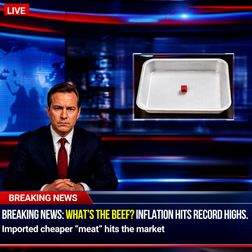
What are you really eating, and who benefits when the system makes food cheaper by making it harder to trust? This episode pulls back the curtain on beef imports, unlabeled country-of-origin changes, and the growing wave of recalls, outbreaks, and cuts to food safety tracking that leave everyday consumers carrying the risk. Rooster and Ri kick off with a personal gut check after a bad meal becomes a vivid example of a much bigger problem: lower standards, lower quality, and more mystery in the food supply chain. From beef that may already have been rejected elsewhere to shrimp, tuna, eggs, lettuce, and other foods tied to recalls, contamination, and parasites, they connect the dots between policy decisions and the everyday panic of shopping, cooking, and feeding your family. You’ll hear: Why unlabeled imported beef is raising alarm, How reduced tracking can make outbreaks look smaller without making food safer, Why recalls for listeria, salmonella, cyclospora, and parasites are shaking consumer trust, How higher prices and lower quality are forcing people to rethink where they buy food, Why self-sufficiency, gardening, and local food sources are starting to look less like a hobby and more like a survival plan. They also widen the lens to the bigger stakes behind the food conversation: inflation, wage pressure, food assistance cuts, farmer bankruptcies, logistics shocks, and the feeling that regular people are being squeezed from every direction. The episode turns into a blunt conversation about government priorities, corporate profit, public trust, and what happens when people stop believing the systems are protecting them. Rooster and Ri don’t stop at outrage. They push toward action, critical thinking, and personal responsibility—voting, reading more, questioning easy narratives, and building stronger community ties before the next crisis lands. They also get into education, freedom, energy, and why refusing to think in black-and-white terms may be one of the only ways forward. Essential listening if you’re tired of paying more for worse food, worried about what’s being hidden from consumers, or ready to think more seriously about how to protect your health, your family, and your future.
The Comfort Paradox
Binary thinking is making people lonelier, angrier, and easier to manipulate - and we go straight at the root of it. If you’re tired of surface-level takes, this episode pushes back on the habit of turning every person, problem, and decision into good vs. bad, right vs. wrong. We use the conversation to break down how convenience, short-form media, and constant digital stimulation train us to stop thinking critically and start reacting automatically. They dig into the “Mount Stupid” effect, echo chambers, propaganda, and why people lose the ability to see nuance, take responsibility, or even imagine redemption for others. You’ll hear us unpack: why binary thinking kills common ground and makes relationships more fragile, how convenience culture turns helpful tools into false shortcuts, why social media and outrage content reward the easiest answer, not the truest one, how modern habits like delivery apps, endless scrolling, and processed food quietly shape health, attention, and mood, what it looks like to rebuild a more grounded life through community, movement, and shared local routines We bring a sharp critique of how modern systems flatten people into labels, while pushing the conversation toward practical action, neighborhood care, and restoring critical thinking in everyday life. Together connecting the dots between mindset, health, consumer habits, and the way we treat our communities. This episode matters because the cost of passive living is bigger than most people admit. When everything becomes outsourced, optimized, and reduced to a clip, you lose more than attention - you lose agency, connection, and the ability to build a life you actually want. Perfect for listeners who are questioning hustle culture, tired of algorithm-fed outrage, or ready to trade isolation and convenience traps for a more human way of living. If you want a conversation that challenges the way you think about choice, community, and what a meaningful life looks like, this one is worth your time.
2 di 3