How We Future: Stories of Hope, Hype, and Gratitude

How We Future: Stories of Hope, Hype, and Gratitude

di Lisa Kay Solomon
Stagione 4
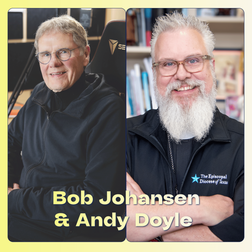
Practicing Hope to Prep for the Future with Futurist Bob Johansen and Bishop Andy Doyle
When the future feels brittle, how do we find hope? In this episode of How We Future, Lisa talks with futurist Bob Johansen and Bishop Andy Doyle, co-authors of Disciplines of Hope: Generating Faith in the Future for an Anxious Age, about what it means to build faith in the future when the world feels increasingly uncertain, brittle, and chaotic. Bob and Andy explore why clarity is more useful than certainty, how we can use hope as a discipline, and why navigating the future requires practicing together. They also unpack the power of asking discerning questions, and how generative AI might help us stretch our thinking rather than simply make things faster or easier. In this episode, we explore: How to navigate a BANI future: brittle, anxious, nonlinear, and incomprehensible Why faith can be reframed as something we do rather than something we simply have The Credible Hope Compass and how it can help us navigate uncertainty What generativity means and why creating a future beyond ourselves matters How generative AI can extend and challenge human thinking In a world where we can't know exactly what's coming, perhaps the work is to practice our way toward one we want to be part of creating. How We Future is hosted by Lisa Kay Solomon, a futurist, educator, and designer who explores how we can shape better tomorrows by changing what we do today. Links from the episode: Pre-Order Disciplines of Hope Navigating the Age of Chaos by Bob Johansen, Jamais Cascio, and Angela F. Williams Institute for the Future How We Future featuring Bob Sutton How We Future featuring Roman Krznaric The Friction Project by Bob Sutton and Huggy Rao Future shock by Alvin Toffler Follow How We Future: Lisa Kay Solomon on LinkedIn @lisakaysolomon on Instagram @howwefuture on TikTok howwefuture.substack.com Want to contact us? Email hello@howwefuture.com
Prioritizing Empathy with Leadership Professor Christopher Adkins
What kind of future becomes possible when we lead with empathy? This episode of How We Future features Notre Dame Leadership professor, executive coach, and Master Teacher of Business Ethics Christopher Adkins. Chris and Lisa explore why empathy may be one of the most essential skills for navigating an increasingly complex future. Drawing on decades of experience designing transformative learning experiences, Chris shares how empathy goes far beyond simply understanding another person's perspective. It's about creating the conditions for people to feel seen, heard, and capable of contributing their unique experiences. Whether you're leading a team, designing products, facilitating conversations, or building community, empathy is a powerful tool for unlocking creativity, trust, and possibility. In this conversation, you'll hear about: Why meaningful learning begins with listening before solving. How great facilitators create spaces where everyone feels they belong. The role of vulnerability and trust in building stronger teams and communities. Practical ways to strengthen your empathy in everyday conversations and leadership. If this conversation sparked a new way of thinking, we'd love to hear from you. Share your reflections in the comments, subscribe to How We Future, and leave a rating or review to help more people discover conversations about building better futures together. Links from the episode: Chris’s LinkedIn Mendoza College of Business Exploring the Science of Empathy, Lisa’s reflection on Chris’s visit to the d.school Give and Take by Adam Grant Follow How We Future: Lisa Kay Solomon on LinkedIn @lisakaysolomon on Instagram @howwefuture on TikTok howwefuture.substack.com Want to contact us? Email hello@howwefuture.com
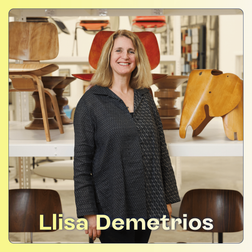
The Eames Philosophy: Curiosity, Creativity & Better Questions with Chief Curator Llisa Demetrios
How can curiosity change the way you approach a challenge? In this special episode of How We Future, Lisa Kay Solomon travels to the Eames Institute of Infinite Curiosity in Richmond, California, for a conversation with Llisa Demetrios, Chief Curator of the Institute and granddaughter of legendary designers Ray and Charles Eames. Surrounded by the Eames collection itself, Lisa and Llisa explore the stories, philosophies, and design principles that shaped Ray and Charles' extraordinary work. From iconic furniture to exhibitions, films, architecture, toys, and educational experiences, the Eames believed that design is about solving problems with empathy, curiosity, and care. Together, they discuss why prototyping beats perfection, why asking better questions matters more than having quick answers, and how designing for everyone who touches a product—not just the end user—can transform the way we solve problems. In this conversation, you'll hear about: How curiosity, play, and experimentation fueled decades of innovation. The importance of learning through failure. Why great design considers every person involved The story behind the famous Eames chairs Whether you're a designer, educator, leader, parent, or simply someone trying to navigate an increasingly complex world, this conversation is a reminder that curiosity is a skill we can all practice. If this conversation resonated with you, we'd love to hear from you. What's one problem in your own life or work that could benefit from a little more curiosity? Share your thoughts in the comments, and if you enjoyed this episode, follow How We Future wherever you get your podcasts and leave a rating or review. It helps more curious minds discover the show. Links from the episode: Eames Institute of Infinite Curiosity Learn more about The Curious 100 Powers of Ten film Moments of Impact by Lisa Kay Solomon and Chris Ertel Follow How We Future: Lisa Kay Solomon on LinkedIn @lisakaysolomon on Instagram @howwefuture on TikTok howwefuture.substack.com Want to contact us? Email hello@howwefuture.com
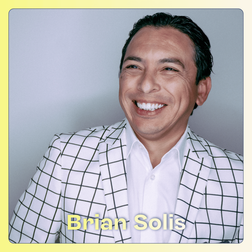
Mindshifting Strategies to Stay Open with Digital Anthropologist Brian Solis
How do you stay optimistic in a world that feels increasingly uncertain? In this episode of How We Future, Lisa Kay Solomon sits down with futurist, bestselling author, and digital anthropologist Brian Solis to explore why the future will reward people who are willing to slow down, stay curious, and rethink what they know. Drawing from his latest book, Mindshift, Brian shares why innovation begins with self-awareness, how to break free from reactive thinking, and why it’s crucial to develop an open mind. Together, they discuss the power of storytelling, the importance of psychological safety, and how leaders should use AI to imagine new possibilities, instead of just increasing productivity. In this conversation, we cover: Brian's Mindshift framework for navigating uncertainty and leading through change. What companies like Pixar and Airbnb can teach us about innovation through storytelling. How curiosity, wonder, and optimism can become leadership practices. Links from the episode: ServiceNow Futures Brian’s new book: Infinite: How Visionary Leaders Transform Today's Businesses into AI-Forward Companies Brian’s Books Brian’s website Creativity, Inc. by Ed Catmull The Creative Act: A Way of Being by Rick Rubin Mindset by Carol Dweck Leading for Tomorrow (the collaborative book Lisa and Brian both have chapters in!) Follow How We Future: Lisa Kay Solomon on LinkedIn @lisakaysolomon on Instagram @howwefuture on TikTok howwefuture.substack.com Want to contact us? Email hello@howwefuture.com

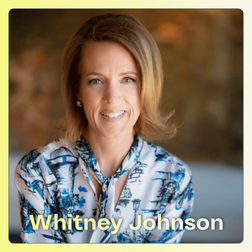
The Science of Personal Growth with Disruption Expert Whitney Johnson
Where are you on your growth curve? In this episode of How We Future, Lisa Kay Solomon talks with bestselling author and disruption expert Whitney Johnson about when and how to change your path, stick with something new, or challenge yourself. Drawing on Clayton Christensen's theory of disruption, Whitney shares how embracing change can unlock personal growth and new opportunities. Together, Lisa and Whitney explore the S Curve of Learning, why feeling like an imposter is often a sign you're growing, the power of reaching out to people who inspire you, and the relationship between stability and disruption. In this conversation, we cover: Why personal disruption is the key to continued growth. Why learning often feels uncomfortable before it feels rewarding How understanding the "S Curve" can help us recognize where we are in our own development A preview of Whitney’s upcoming book, Steady Along the way, they share stories about taking risks, reaching out to mentors, and why one well-crafted email can change the course of your career. Whether you're starting something new, considering your next career move, or simply feeling ready for another season of growth, this conversation offers practical frameworks—and plenty of encouragement—for embracing what's next. Links from the episode: Disruption Advisors Whitney’s Books About Clayton Christensen The Innovator's Dilemma by Clayton Christensen The Innovator's DNA by Clayton Christensen, Jeff Dyer & Hal Gregersen Creativity, Inc. by Ed Catmull FutureMe.org (write a letter to your future self) Follow How We Future: Lisa Kay Solomon on LinkedIn @lisakaysolomon on Instagram @howwefuture on TikTok howwefuture.substack.com Want to contact us? Email hello@howwefuture.com
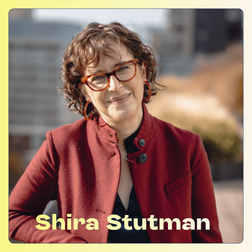
Lead with Loving Kindness and Build Community with Rabbi Shira Stutman
What does it look like to prioritize loving kindness, support for others’ success, and rest with intention? In this episode of How We Future, Lisa is talking with Rabbi Shira Stutman, a nationally recognized rabbi, author of The Jewish Way to a Good Life and host of the podcast Chutzpod! Shira is the full-time rabbi of Aspen Jewish Congregation and the former Founding Rabbi of Sixth & I Historic Synagogue, a groundbreaking spiritual and cultural center in Washington, DC. In this episode, Lisa and Shira discuss: Chesed (loving-kindness) as a crucial practice in this time Why allowing yourself to receive care can be harder than giving it What community really looks like, and where you can learn to build it How rest is a human right Lisa learns about "schepping nachas," which is experiencing true joy from someone else’s success. If you’re curious how ancient wisdom can be radically practical and how small moments of connection can create huge ripple effects, this episode is for you. Links from the episode: The Jewish Way to a Good Life by Shira Stutman Chutzpod! Aspen Jewish Congregation Switch by Dan and Chip Heath How We Future featuring Dana Cowin, former Editor-in-Chief of Food & Wine Follow How We Future: Lisa Kay Solomon on LinkedIn @lisakaysolomon on Instagram @howwefuture on TikTok howwefuture.substack.com Want to contact us? Email hello@howwefuture.com

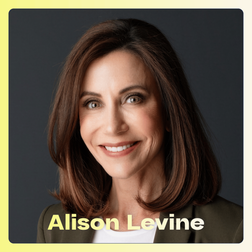
Courage and Leadership Lessons from Mount Everest with Mountaineer Alison Levine
In the Season 4 premiere of How We Future, Lisa Kay Solomon talks with Alison Levine, polar explorer, mountaineer, leadership educator, and author of On the Edge, to explore what courage really looks like when the stakes are extreme. From leading the first American women’s Everest expedition to skiing to both the North and South Poles as part of the Adventure Grand Slam, Alison operates at the edge of risk, resilience, and reinvention. This conversation is about how to lead, decide, and keep going in a world full of uncertainty. Together, Lisa and Alison unpack what it means to: Reframe fear as a tool for awareness Redefine success when plans fall apart in high-stakes environments Recognize that progress doesn’t always look like forward motion Go “big and go home” instead of sacrificing everything for achievement Alison shares powerful stories from Everest, including being just 300 feet from the summit when a sudden storm forced her team to turn back after two months on the mountain. What could have been framed as failure becomes, in her telling, one of the most formative leadership experiences of her life. The episode also highlights Alison’s work beyond climbing, including her role as executive producer of Pasang: In the Shadow of Everest, a documentary honoring the first Nepali woman to summit Everest, and her ongoing commitment to expanding who gets seen in adventure and leadership spaces. Thanks for joining us for the beginning of season 4. Please leave a rating and comment- we love to hear from you. Links from the episode: Alison Levine- official website On the Edge by Alison Levine Lessons from the Ledge- Alison’s TedTalk Pasang: In the Shadow of Everest — documentary site (film Alison executive produced) Mountain Queen: The Summits of Lhakpa Sherpa Coach Eric Reveno Follow How We Future: Lisa Kay Solomon on LinkedIn @lisakaysolomon on Instagram @howwefuture on TikTok howwefuture.substack.com Want to contact us? Email hello@howwefuture.com
Stagione 3
Assembling Tomorrow: Designing a Thriving Future with Scott Doorley and Carissa Carter
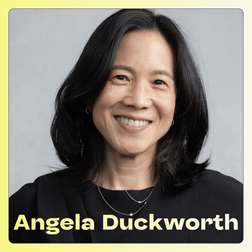
What do you do when the world changes faster than you can make sense of it? The Season 3 finale of How We Future features Stanford educators Scott Doorley and Carissa Carter for a conversation about design, technology, and what it actually means to adapt in a moment of runaway change. Scott and Carissa are the creative and academic leaders behind Stanford’s Hasso Plattner Institute of Design and the co-authors of Assembling Tomorrow, a book that offers language and tools to design a better future. In this episode, you’ll hear: Why if you feel NUTS! Or “Never Up To Speed,” you’re not alone. What “bothness” looks like when technologies can simultaneously help and harm Why speculative fiction and “histories of the future” help us think more clearly about the present How playful practices like mapping your monsters lower fear and open better conversations This finale invites us to slow down just enough to notice the narratives we’ve inherited, question the ones that no longer serve us, and practice designing — not just reacting — inside uncertainty. Links from the episode; Assembling Tomorrow by Carissa Carter and Scott Doorley d.school mission d.school Design Abilities: “Let’s stop talking about The design process” The Secret Language of Maps by Carissa Carter Make Space: How To Set the Stage for Creative Collaboration by Scott Doorley and Scott Witthoft Map the problem space activity Scott’s website Follow How We Future: Lisa Kay Solomon on LinkedIn @lisakaysolomon on Instagram @howwefuture on TikTok howwefuture.substack.com Want to contact us? Email hello@howwefuture.com
How to Bring Your Human to Work with Workplace Strategist Erica Keswin
“The absence of intentionality is a recipe for resentment.” This episode of How We Future features Erica Keswin, a longtime advocate for human-centered leadership and the author of Bring Your Human to Work, Rituals Roadmap, and The Retention Revolution. Lisa and Erica explore how leaders can intentionally design work environments that honor connection, dignity, and trust in an era defined by AI, hybrid work, and constant change. Erica shares three strategies to improve human connection that, data shows, increases ROI, productivity, and morale. In this episode, you’ll hear: How return to office policies may be working against an organization's best interest How clear protocols can dramatically improve trust and engagement Why connection, empathy, and dignity are measurable business advantages How trust determines whether employees embrace or resist AI and change At a moment when many organizations are defaulting to control, compliance, or exhaustion, this conversation is a reminder that bringing your human to work may be the most future-ready move of all. Links from the episode: Erica’s website Erica’s blog Erica on LinkedIn Bring Your Human to Work Rituals Roadmap The Retention Revolution EXTRA Commercial Thank You For Being Late by Thomas Friedman Follow How We Future: Lisa Kay Solomon on LinkedIn @lisakaysolomon on Instagram @howwefuture on TikTok howwefuture.substack.com Want to contact us? Email hello@howwefuture.com
How to Stay Human amid Advancing Technology with Psychologist Scott Barry Kaufman & Tech Journalist Chris Shipley
What kind of leadership do we need right now? In this episode of How We Future, Lisa sits down with cognitive scientist and host of The Psychology Podcast Scott Barry Kaufman and longtime technology strategist Chris Shipley to explore what it means to lead with humanity in a world shaped by AI, uncertainty, and nonstop change. The conversation centers on their upcoming book, Leading for Tomorrow, and the question of how we use our most powerful technologies to become more human, not less. Drawing from psychology, history, and decades at the frontier of technological change, Scott and Chris reflect on agency, bravery, and why leadership today is less about control and more about creating the conditions for people to thrive. In this episode, you’ll learn: Why continuous disruption demands a fundamentally different model of leadership How AI can amplify creativity and self-understanding when used with intention What it looks like to shift from efficiency and performance toward learning and becoming Why optimism, humility, and agency are leadership skills we can all practice Let’s try to rethink leadership as a shared, human endeavor where technology supports our best qualities instead of crowding them out, and where the future is something we actively shape together. Links from the episode: Pre-order Leading for Tomorrow: Unlocking Human Potential in the Era of Continuous Change and Endless Possibility If you Pre-order the book, fill out this form to receive special offers! Scott Barry Kaufman’s website Chris Shipley’s website The Psychology Podcast Scott’s theory on Maslow’s sailboat Scott’s course with Oprah on gratitude Follow How We Future: Lisa Kay Solomon on LinkedIn @lisakaysolomon on Instagram @howwefuture on TikTok howwefuture.substack.com Want to contact us? Email hello@howwefuture.com
1 di 4