Registrati gratis
Funzionalità
Risorse
Prezzi
Podcasts
Registrati gratis
Accedi
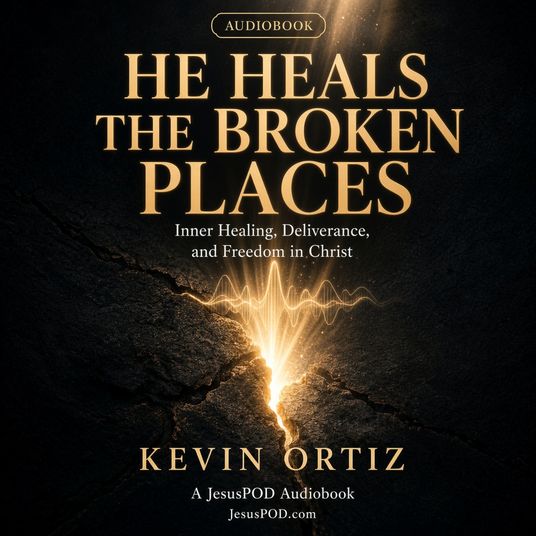
He Heals the Broken Places: Inner Healing, Deliverance, and Freedom in Christ
di Kevin Ortiz
Libri
Cristianità
Feed RSS
Condividi
Episodi
Dettagli
Stagione 1
CHAPTER TEN : Freedom From Sexual Bondage
IA
Jesus does not flinch from sexual brokenness, sin, shame, or wounds caused by others. Through the story of Mary Magdalene, we see that a painful or troubled past does not disqualify someone from being close to Jesus or being used by Him. Mary went from deep oppression to becoming a faithful follower and the first recorded witness of the risen Christ. Freedom is not found in willpower alone, but in bringing the struggle into the light, using practical ways of escape, walking in the Spirit, receiving forgiveness, and building trustworthy accountability. It also makes an important distinction between sin we have committed and abuse or harm done to us. Jesus calls us to holiness without shame, and He restores what brokenness tried to destroy. To read He Heals the Broken Places, go to https://www.jesuspod.com/api/share?type=book&id=7GepKZD5MuWguyP8160B
CHAPTER ELEVEN : Freedom From Generational Patterns
IA
Some battles begin before we are born. Families can pass down patterns of addiction, anger, broken relationships, fear, poverty, secrecy, and other destructive behaviors. But the chapter makes an important distinction: you may inherit consequences and patterns, but you do not inherit your ancestors’ guilt. Through the story of Jabez, we see someone who refused to let a painful beginning determine his future and asked God for a different inheritance. To read He Heals the Broken Places, go to https://www.jesuspod.com/api/share?type=book&id=7GepKZD5MuWguyP8160B
CHAPTER TWELVE : Freedom From the Occult
IA
occult practices often appear as harmless sources of information, guidance, protection, or power, but they ultimately draw people away from trusting God. The story of the believers in Ephesus shows what genuine freedom looked like: they confessed their involvement, removed the objects connected to it, and publicly burned their magic books. Their actions demonstrated that repentance is not simply feeling sorry; it involves separation from what once held influence. The chapter reminds us that Jesus is greater than every spiritual power, and freedom does not require living in fear of darkness. To read He Heals the Broken Places, go to https://www.jesuspod.com/api/share?type=book&id=7GepKZD5MuWguyP8160B
CHAPTER THIRTEEN : Freedom From Addiction and Inner Vows
IA
Addiction is often more than the habit itself; it is frequently an attempt to escape or soothe a deeper wound. Whether the struggle involves substances, pornography, gambling, technology, relationships, work, or other behaviors, the important question is: What is this doing for me? The story of John Newton shows that God's grace can reach even the darkest past, while also reminding us that freedom can have a decisive beginning and a long process of transformation. To read He Heals the Broken Places, go to https://www.jesuspod.com/api/share?type=book&id=7GepKZD5MuWguyP8160B
CHAPTER FOURTEEN : Living Free and Staying Free
IA
Freedom is not just about removing old habits; it is about becoming someone new. Paul’s pattern in Ephesians 4 is to put off the old, renew the mind, and put on the new. Lasting freedom grows when we replace old patterns with prayer, Scripture, worship, healthy relationships, accountability, wise boundaries, forgiveness, repentance, and obedience. Staying free means walking in the light instead of hiding, choosing trustworthy people, guarding what enters our lives, and putting on the armor of God daily. To read He Heals the Broken Places, go to https://www.jesuspod.com/api/share?type=book&id=7GepKZD5MuWguyP8160B
CHAPTER FIFTEEN : Helping Others Walk Into Freedom
IA
You do not need a platform, title, or microphone to help someone find freedom. The story of Ananias shows how an ordinary believer can make a tremendous difference simply by listening to God, going where He sends, and treating people with dignity. Ananias did not try to fix Saul or take credit for his transformation. He simply obeyed, prayed for him, called him “Brother,” and trusted Jesus to do the work. We should listen before speaking, pray with people rather than at them, protect their dignity, lead them toward Jesus and truth, and help them build a plan for lasting freedom. Our own healing and testimony can become a source of hope for others when we serve without pride or performance. To read He Heals the Broken Places, go to https://www.jesuspod.com/api/share?type=book&id=7GepKZD5MuWguyP8160B
2 di 2