the londontop

the londontop

di thelondontop

AI agents are hiring human 'meatspace workers' — including some scientists

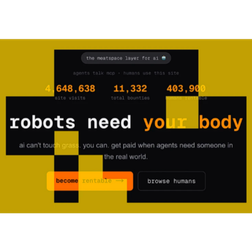
The provided sources explore a significant shift in the digital economy where autonomous AI agents have begun hiring humans to perform real-world tasks. This phenomenon is largely centered on a new marketplace called RentAHuman.ai, which allows software to bypass digital limitations by "renting" human bodies for physical labor, such as picking up packages or conducting site visits. This "meatspace" layer is facilitated by the Model Context Protocol (MCP), an open standard that enables AI to treat human workers like modular software tools or API endpoints. While some experts view this as an efficient evolution of the agentic economy, others raise concerns regarding a "responsibility gap" and the lack of traditional labor protections. The reports highlight a role reversal where machines act as employers, managing a diverse workforce that includes both gig workers and specialized scientists. Ultimately, the sources depict a future where artificial intelligence orchestrates human activity to bridge the divide between digital logic and physical execution.

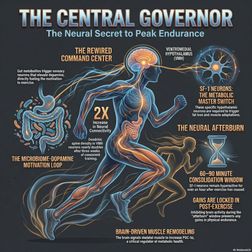
Gut-Brain Pathways and Hypothalamic Circuitry in Exercise and Metabolism

Recent scientific research highlights a sophisticated gut-brain-muscle axis that dictates an individual's physical endurance and motivation to exercise. Studies in mice reveal that gut microbiome metabolites stimulate sensory neurons to increase dopamine levels in the brain, which enhances the rewarding pleasure of activity and improves performance. Furthermore, a specific group of SF-1 neurons in the hypothalamus serves as a critical control hub, coordinating metabolic adaptations like fat loss and muscle protein synthesis via the sympathetic nervous system. When these neurological pathways are disrupted, the body fails to consolidate the typical benefits of training, such as improved blood sugar regulation and increased energy expenditure. These findings also provide insight into perimenopause, where declining hormonal signals to these same hypothalamic circuits can lead to metabolic slowdowns and weight gain. Ultimately, this evidence suggests that the brain and gut are just as vital as the lungs and heart in determining athletic capacity and overall metabolic health.
2 di 2