Grace Rooted Wellness

Grace Rooted Wellness

di Melissa Ticer
Stagione 1
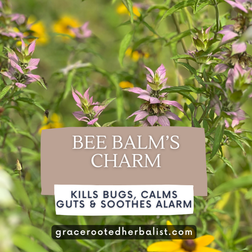
Bee Balm's Charm: Kills Bugs, Calms Guts, and Soothes Alarm
What makes bee balm one of the most versatile herbs in the herbalist's toolkit? In this episode, we're exploring the remarkable medicinal uses of bee balm (Monarda species), a plant that grows abundantly across East Texas and has earned a permanent place in my apothecary. To help remember its key actions, you'll learn a simple rhyme: "What's bee balm's charm? Kills bugs, calms guts, and soothes alarm." Using stories from my own practice and family experiences, we'll unpack what those three actions really mean and why this humble wildflower continues to impress me year after year. In this episode, you'll learn: • How to identify Monarda punctata, also known as spotted horsemint • The differences between Monarda punctata, Monarda fistulosa, and Monarda didyma • Why some herbalists prefer the "buttery" leaves of fistulosa while others value the stronger aromatic qualities of punctata • The role of thymol and why bee balm is considered such a powerful antimicrobial herb Kills Bugs We explore bee balm's traditional and modern applications for: • Sinus infections and nasal congestion • Respiratory infections • Chest congestion and steam inhalations • Sore throats • Urinary tract infections • Yeast overgrowth • Minor skin infections • Bee stings, wasp stings, and insect bites • Sunburns and inflammatory skin conditions We'll talk bee balm nasal sprays, steam treatments, infused honey, and a memorable experience using bee balm baths to comfort a congested infant. Calms Guts Bee balm's digestive uses may surprise you. We discuss: • Gas and bloating • Diarrhea associated with pathogens • Microbial imbalances in the digestive tract • Small intestinal bacterial overgrowth (SIBO) • Traditional use for infant colic • Historical references to the herb as the "baby saver plant" I also share my personal experience working with bee balm during a stubborn H. pylori-related ulcer and why the herb's unusual flavor seemed to become more tolerable when it was exactly what my body needed. Soothes Alarm One of bee balm's most fascinating actions may be its effect on the nervous system. We discuss: • How bee balm differs from more emotionally focused nervines • Physical nerve overstimulation • Feeling frazzled, overstimulated, or "hair standing on end" • Anxiety, insomnia, and nervous exhaustion • Traditional use for vertigo, tinnitus, and Meniere's disease • Matthew Wood's observation that bee balm acts deeply on the nerves • The relationship between thymol, circulation, and cranial nerve support You'll also hear a personal story about a perforated eardrum and how bee balm became an unexpected ally during recovery. Additional Topics Covered • Traditional Native American uses • Wildcrafting and harvesting considerations • Tea preparation and dosage guidelines • Tincture dosage recommendations • Safety considerations during pregnancy • Potential interactions with valerian Key Takeaway If you remember one thing from this episode, remember the rhyme: "What's bee balm's charm? Kills bugs, calms guts, and soothes alarm." Whether you're dealing with microbes, digestive discomfort, or a nervous system that feels like it's buzzing with overstimulation, bee balm is an herb worth getting to know. Resources Mentioned • Matthew Wood's writings on Monarda • The Herbarium dosage • Research on thymol & antimicrobial activity • Traditional ethnobotanical uses of bee balm Interested in personalized herbal support? I offer one-on-one herbal consultations designed to help you create a wellness plan tailored to your unique needs. Learn more at Grace Rooted Herbalist: www.gracerootedherbalist.com
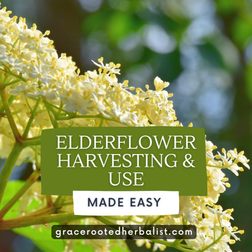
Elderflower Harvesting and Use Made Easy
Elderflower is in bloom across East Texas! Let's talk about what you can use it for, where to find it, how to harvest it and preparations that will have it ready to use when you need it. This episode answers questions like: What's the difference between elderflower and elderberry? Can I harvest plants from Texas state parks? Do I wash elderflower before using? What can I do with elderflower besides make tea? And much more.
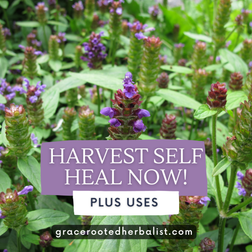
Harvest Self Heal Now! Plus Uses
I once made the mistake of underestimating this little plant, but I don't any more! Self heal, Prunella vulgaris might be the something extra your medicinal herb regimen has been waiting for, and it's blooming now across East Texas. This episode covers: Identifying self heal Historic/traditional use Current medical research around autoimmune issues and cardiovascular inflammation How herbs can also be medicine for the soul Where to buy seeds How self-heal is used as food Why you might benefit from visiting gracerootedherbalist.com
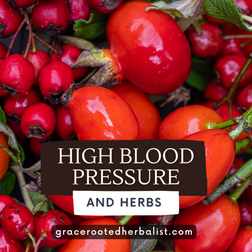
High Blood Pressure & Herbs: What Actually Works (and What Matters More)
In this episode, we take an in-depth look at high blood pressure—what it is, why it matters, and what you can actually do about it. After a personal experience with cardiovascular crisis, this topic became more than theoretical—it became urgent. We break down how blood pressure works, why inflammation is such a major driver, and how diet, movement, sleep, and stress all play a role in long-term heart health. Because the truth is, there usually isn’t just one fix—and it’s not always as simple as taking a pill. 🌿 At 12:11, we dive into herbs traditionally used to support healthy blood pressure, including: Hawthorn for whole-system cardiovascular support Garlic for circulation and arterial health Hibiscus for gentle, research-backed reductions Dandelion root for fluid balance Motherwort and linden for stress-related hypertension And when (and when not) to consider cayenne You’ll also hear why one size does NOT fit all in herbal medicine—and how your unique constitution matters when choosing the right approach. Whether you’re exploring natural support, navigating a diagnosis, or simply wanting to better understand your body, this episode gives you a grounded starting point. ⚠️ Disclaimer This podcast is for educational purposes only and is not intended as medical advice. Always consult with your physician or a qualified healthcare provider before making any changes to your medications, diet, or health routine—especially if you have a medical condition or are taking prescription medications.
Where to Buy Locally Grown and Raised and Why You Should
What if the key to better energy, stronger immunity, and real healing wasn’t another supplement… but your food source? Getting nutrient-dense, toxin-free food is vital for good health. Again and again when I work with clients, I see how much progress depends on the quality of what’s on the plate — and not all “healthy” food is created equal. In this episode, I sit down with Angie Gillette and Crystal Branch of the Tyler REKO Ring to talk about where to buy local organic food and why it truly matters. They break down how to choose the best locally grown produce, meat, and poultry — and what signs tell you it’s the real deal. We talk about whether locally grown and raised food is actually healthier (and why), why organic produce often costs more and whether it’s worth the extra investment, and the important difference between grass-fed and grass-finished. They also share red flags that something hasn’t actually been grown by a local farmer — even when it’s being marketed that way. If you’ve ever wondered what a REKO ring is, how it works, and how to get involved, this episode gives you a simple, practical guide to getting started. Whether you’re working on your health, feeding a family, or just wanting to be more intentional about your food, this conversation will help you shop smarter and support your local food community with confidence. This episode covers: -What should you look for when buying locally grown produce, meat or poultry? -What's a REKO ring and how do you shop? -Is locally grown and raised food actually healthier? -Does locally grown food taste better? -Why is organic produce more expensive and is it worth the extra cost? -What's the difference between grass-fed and grass-finished? -What are red flags something hasn't actually been grown by a local farmer? Tyler REKO Ring: https://www.facebook.com/TylerFarmtoTable Grace Rooted Herbalist: https://www.facebook.com/gracerootedherbalist
My Favorite Herbs for Stress (And Why I Finally Had to Take My Own Advice)
What happens when the herbalist is the one who’s run down, overwhelmed… and not taking her own herbs? In today’s episode, I’m getting more personal than usual. Over the past six months, I’ve been injured or sick more often than I’d like to admit. In the last month alone, I caught what was going around twice—and I was slow to recover. If a client told me that story, I’d immediately say, “Let’s figure out what’s going on.” The truth? I already knew. Long-term stress. A family member recently said to me, “Physician, heal thyself.” Ouch. She wasn’t wrong. I spend my days helping others build herbal protocols that are thoughtful, specific, and sustainable—but I had quietly pushed my own needs to the back burner. And eventually, my body made sure I couldn’t ignore it anymore. I’ll be honest—I feel a little vulnerable sharing this. It’s not easy to admit when you’re struggling, especially when you’re the one people come to for guidance. But if opening up about my season of stress, slow recovery, irritability, and emotional heaviness helps even one of you feel less alone—or nudges you to prioritize your own support—then it’s worth it. In this episode, I walk you through the exact herbal regimen I’m currently using to rebuild resilience, stabilize my mood, and support my immune system. I share: 🌿 Why Skullcap is my go-to for overstimulation, irritability, and that “everything is too much” feeling 🌞 How St. John’s Wort brings emotional lift when things start to feel dark and heavy (plus important safety considerations) 💧 When Blue Vervain helps with tension, stubbornness, and that tight, overachieving drive 🌱 Why I chose Shatavari as my adaptogen for dryness, perimenopausal shifts, immune support, and nervous system resilience I’ll go into dosing, preparation methods (tea vs. tincture vs. powder), and how I simplified everything into one manageable tincture blend—because consistency matters, and even the best herbs won’t help if we don’t take them. This isn’t medical advice—just education and a window into how I personally work with plants during a high-stress season. As always, do your own research and consult appropriately, especially if you’re on medications. More than anything, this episode is about humility, resilience, and remembering that sometimes we all need to pause and apply the wisdom we so freely give to others. If this conversation resonates with you, I’d be so grateful if you’d leave a review, share the episode with a friend, or reach out. Your support helps this podcast reach more people who may need it. Thank you for being here. Truly. 🌿
From Overwhelm to Clarity: Choosing Supplements with Confidence
How do you pick the right herbs and supplements and where can you get them? If you've ever felt frozen in the aisles staring at a sea of options or overwhelmed by the sheer number of online retailers, this episode is for you. Granary Health Foods Regional Manager Wynn Worthen explains how the leading multi-location chain evaluates for quality and purity. He also gives specific trustworthy brand names and shares why they choose some suppliers over others. We even cover the difference between herbal extracts and ground herb capsules - which is stronger and when you might choose one over the other. Health issues discussed: IBS, digestive issues Crohn's Disease Bloating (Wynn suggests an herb that might help right away!) Arthritis, joint pain, back pain The "Thyroid Storm" A few of the supplements covered: Ashwagandha Ginger Licorice root Turmeric/curcumin Iodine Educational purposes only, not medical advice, talk to your doctor before adding or changing supplements.
5 Medicinal Herbs to Forage Right Now
Get out into the cold and gather these 5 medicinal herbs ready to forage right now! Let's talk what part to harvest, what it's used for and how to use it. In this episode, we step into the quiet East Texas woods to explore five medicinal plants you can responsibly forage right now, even in the heart of winter. We’ll talk through mimosa bark, mullein root, kudzu root, dandelion root, and juniper berries — where to find them, how they’ve been used traditionally, and why winter is actually one of the most powerful seasons for harvesting roots and bark. This episode is part fireside story, part practical foraging guide, offering a slower, more intentional look at plant medicine during the colder months. You’ll walk away with a deeper understanding of winter foraging, ethical harvesting, and how these plants have supported the body and spirit for generations. Perfect for herbalists, foragers, wildcrafters and anyone curious about reconnecting with the land when everything seems asleep. (Not medical advice, educational purposes only)
Why Are You Still Coughing? Herbs, Inflammation & Lingering Colds
That cough just won’t quit—and you’re exhausted. In this episode of Grace Rooted Wellness, we dig into why lingering coughs hang on long after a cold or flu seems over, from airway inflammation and postnasal drip to environmental irritants and food sensitivities. You’ll learn the difference between dry, spasmodic coughs and wet, mucus-heavy coughs, what’s actually happening in the lungs when you cough, and why nighttime coughing can feel relentless. From mullein and elecampane to goldenrod, marshmallow root, horehound, and lobelia, we explore herbs traditionally used to support the respiratory system and soothe irritated airways—plus when each one makes sense. This episode blends herbal tradition, physiology, and real-life experience to help you better understand your cough and your options, especially during cold and flu season. If you’re interested in herbal remedies for cough, natural respiratory support, and East Texas herbalism, this one’s for you.
Herbs and Fever — Supporting the Body During Cold & Flu Season
In this very first episode of Grace Rooted Wellness, we’re talking about fevers—why they happen, why they’re usually not something to fear, and how herbs have been used for centuries to support the body during cold and flu season. Fever can feel miserable, but it’s actually a sign that your immune system is doing its job. In this episode, we explore what’s really happening in the body when temperature rises, how fever differs in children and adults, and when it is important to seek medical care. We also walk through several time-tested herbs traditionally used to support the fever process while helping the sick person feel more comfortable. In this episode, you’ll learn: Why fever is part of a healthy immune response—not an illness itself How the body uses heat to fight infection What’s normal (and what’s not) when kids run fevers Common fear-based messages around childhood fever—and why they’re often misplaced Clear signs that it is time to call the doctor or go to the ER What febrile convulsions are and how common they really are Gentle, supportive ways to help someone feel better while a fever runs its courseHerbs discussed in this episode:Yarrow (Achillea millefolium) – A classic fever herb that helps move heat from the core to the surface and encourages sweating Boneset – Traditionally used when fever comes with deep aches, chills, and respiratory illness Chamomile – Soothing, anti-inflammatory, and supportive for rest, digestion, and nervous system comfort Elder (flower) – Supports the body’s fever response and offers antiviral support Plus mentions of other supportive herbs like linden, lemon balm, echinacea, peppermint, tulsi, fenugreek, ginger, and sage Helpful takeaways for parents: Most childhood fevers are caused by harmless viruses Fever alone is rarely an emergency Allowing the immune system to “practice” fighting infection can be part of long-term resilience Support comfort while monitoring symptoms, rather than automatically suppressing fever When to seek medical care: We also cover specific red flags—such as very high or persistent fever, dehydration, immune suppression, or concerning accompanying symptoms—so you know when to trust the process and when to act.