Hear Me Now: The Podcast
di HearmenowpodcastStagione 1
Why South Asian Men Must Stop Normalizing Abuse
EPISODE DESCRIPTION - Ready to publish The advice around South Asian masculinity is overdue for a reset. In this South Asian Heritage Month conversation, Three incredible men challenge the silence around domestic abuse, emotional suppression, misogyny and the pressure to "man up" - and make a powerful case for a healthier, braver model of manhood. What starts with pride in culture, food, family and community quickly turns into a deeper, more urgent discussion about what needs to change. Tandy brings decades of creative leadership and his work with New Young Blood, Ajit speaks candidly about breaking gatekeeping in film and using raw storytelling to expose the reality of abuse, and Aman shares why honest conversations about boundaries, identity, vulnerability and mental health are so needed in South Asian spaces. You'll discover: Why collaboration, not competition, is the only way forward for South Asian creatives How normalized abuse, ego and pride keep harmful patterns alive across generations Why calling out "banter" and small misogynistic remarks matters before harm escalates What healthy masculinity looks like when men are allowed to cry, open up and support each other How media, schools, councils and community spaces can do more to protect women and educate boys This episode doesn't stop at awareness. It names the social pressures, family patterns and cultural blind spots that keep people stuck, then pushes toward something better: empathy, accountability and real role models who lead by example.If you're a South Asian man, care about the next generation, or want a frank conversation about culture, trauma and positive change, this one belongs at the top of your queue.
Why coercive control is harder to spot than physical abuse
Coercive control rarely starts with obvious violence - it starts with confusion, love bombing, isolation, and the slow erosion of who you are. Lucy shares the red flags she missed, the trauma bond that kept pulling her back, and how she found her way out.If you have ever wondered why leaving abusive relationships is so hard, or why survivors so often stay silent, this conversation will change the way you understand domestic abuse. Lucy opens up about the early manipulation, gaslighting, intimidation, and control that shaped her relationship long before the physical abuse began. You'll discover how coercive control can hide inside gifts, compliments, and concern, why “why didn’t you leave?” is the wrong question, and how a survivor can rebuild safety, identity, and self-worth after years of chaos. Lucy also shares the role of support services, therapy, and creative expression in her healing, including the writing of her poetry that became Veins of Gold. We also talk about what recovery really looks like after abuse, the hypervigilance that can linger, the rewiring of your sense of love, and the powerful shift that happens when you learn to trust peace instead of chaos. Lucy’s story is both deeply personal and widely relatable for anyone seeking to understand the realities of coercive control or supporting someone who has lived through it. This episode is essential listening for survivors, supporters, and anyone who wants a clearer, more human understanding of domestic abuse. Lucy’s voice is honest, hopeful, and quietly powerful, and her message is unmistakable: it was not your fault, and life can be beautiful again.
Three South Asian women, three different survival stories, one powerful conversation about breaking silence
EPISODE DESCRIPTION - Ready to publish Three South Asian women, three different survival stories, one powerful conversation about breaking silence. Raj, Nisha, and Arnie share what it really takes to challenge domestic abuse, addiction, childhood sexual abuse, and the shame that keeps so many people suffering in silence. Raj,opens up about post-separation abuse and the hidden reality of coercive control. Nisha, unpacks the normalization of alcohol in our culture and the isolation of recovery. Arnie shares the long road from childhood sexual abuse, self-destruction, and addiction to healing, education, and advocacy. Together, they reveal why speaking up can feel like fighting an entire community just to be believed. You’ll hear honest, unfiltered conversation about: the pressure of "what will people say?" why abuse and trauma are so often hidden in South Asian families how generational beliefs around gender, respect, and reputation keep harmful patterns alive the role alcohol plays in masking pain and trauma why recovery, therapy, and community support can change everything This episode doesn’t just celebrate South Asian heritage - it challenges the parts of it that cause harm, especially when stigma, misogyny, and silence protect abusers instead of survivors. If you’ve ever felt alone in your experience, or if you want to better understand the pressures so many South Asian women carry, this conversation will hit hard.Essential listening for survivors, allies, advocates, and anyone ready to have the conversations our communities have avoided for too long. The message is clear: your story matters, your pain is valid, and healing is possible.
From being forced into marriage at 15 and taken abroad, to becoming a pageant queen and advocate, Rubie traces the long road from trauma, mental health struggle, and self doubt to healing, advocacy, and public speaking.
Rubie Marie shares the moment she stopped living in shame and turned her pain into purpose. If you need a story about reclaiming your voice, confidence, and identity after trauma, this conversation will stay with you. Rubie is a survivor of honour based abuse, a global speaker, confidence coach, and a valued member of Crowned with Courage pageant the UK's first for survivors of VAWG. From being forced into marriage at 15 and taken abroad, to becoming a pageant queen and advocate, Rubie traces the long road from trauma, mental health struggle, and self-doubt to healing, advocacy, and public speaking. You’ll discover how Rubie rebuilt her life one step at a time through GCSEs, counselling, university, holistic therapy, and yoga, and why she sees healing as both inner and outer work. She shares how a solo trip to Thailand became a turning point, how pageantry gave her a platform and a new identity, and how she went from buying second-hand outfits on eBay to placing top 15 at Miss Global and winning major titles like Miss Galaxy, Miss GB, and Miss Earth placements. We also break down what it really takes to speak publicly about trauma when the world is watching, how Rubie handles criticism without absorbing other people’s energy, and why she believes the throat chakra, sound, and affirmation are powerful tools for healing. She opens up about her role in Crowned with Courage, the coaching approach she uses with survivors, and why listening, asking the right questions, and helping women rediscover their value matters so deeply to her. This episode is for anyone rebuilding confidence after adversity, anyone who needs proof that your story can become your strength, and anyone who wants a reminder that healing is possible even after the hardest beginnings. Rubie leaves listeners with a powerful message: what you envision for yourself can come true when you combine passion, belief, and devotion.
"Why women don't just leave" Christina shares the chilling reality of post-separation abuse, the moments that escalated from subtle jealousy to strangulation, stalking, and trauma that was repeatedly misread as instability.
A survivor who is articulate, successful, and resourceful can still be trapped by coercive control, gaslighting, and a justice system that misses the warning signs. Christina shares the chilling reality of post-separation abuse, the moments that escalated from subtle jealousy to strangulation, stalking, and trauma that was repeatedly misread as instability. Christina opens up about the relationship that slowly tightened around her life, her children, her home, and her work, and why leaving did not end the danger. What follows is a brutally honest account of how abuse can hide in plain sight, how economic abuse and manipulation shape every decision, and how false narratives can be weaponized in family court, police reports, and child protection systems. You'll discover: How coercive control can start with small, deniable behaviors before escalating into violence Why trauma can affect memory, pacing, and testimony without making a survivor unreliable How non-fatal strangulation and stalking are often minimized despite being major danger signals Why refuge, family court, and police responses can fail when professionals lack trauma-informed training How the concepts of DARVO, power and control, and post-separation abuse change the way this case should be understood Christina also shares why women are so often told to "just leave" when the real world consequences include losing housing, safety, schooling, income, and legal stability. She explains how systems built to protect survivors can become another battleground, especially when unconscious bias, gaps in training, and inconsistent enforcement leave families exposed.This conversation is essential listening for anyone who wants to understand what abuse actually looks like beyond the stereotypes and why better training for police, lawyers, judges, healthcare workers, and social care professionals is not optional, it's lifesaving. If you've ever wondered why survivors don't simply walk away, this episode will change the way you see the question forever.
A journey from silence to strength: A story of resilience, advocacy, and hope
Her journey from silence to strength: Shelby’s story of resilience, advocacy, and hope In a world where survivor voices are often unheard, Shelby’s story is a powerful reminder that healing begins with sharing. Despite facing severe trauma from childhood abuse and medical crises to discovering her neurodivergence she’s transformed her pain into purpose. Shelby’s brave account uncovers how the lack of education about healthy relationships and mental health support leaves many vulnerable, especially neurodivergent individuals. Her journey from confusion and self-blame to confidence and advocacy highlights a vital need for better support systems in both family conversations and school curriculums. You’ll discover: How trauma manifests physically and emotionally and why understanding this is crucial for healing The vital role of community and peer support in overcoming isolation after abuse Why confidence building through platforms like beauty pageants can empower survivors and foster resilience The importance of education on healthy relationships, boundaries, and red flags in preventing cycles of abuse Insight into how neurodivergence increases vulnerability to trauma and the specific support needed to address these risks Shelby’s story isn’t just inspiring; it’s a call to action. If you’re passionate about survivor empowerment, mental health, or advocating for inclusive support, this episode offers eye opening perspectives. Whether you’re a survivor seeking hope, a supporter, or an advocate for better education and trauma-informed care this interview will motivate you to believe in recovery and the power of community.Join us to hear firsthand how one woman’s resilience is reshaping narratives around trauma, neurodivergence, and survival. Her message is clear: No matter how deep the pain, hope and healing are possible when we have the right support and community behind us.
Survivors Speak Out: The Hidden Truths of Sexual Violence and System Failures
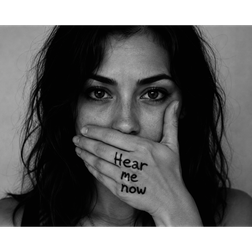
Do you truly understand what survivors endure after assault? Cerys, a brave survivor and ambassador for change, reveals raw, unfiltered insights into the lifetime aftermath of sexual violence and the deep systemic barriers survivors face in seeking support and justice. Her story exposes the harsh realities often hidden behind closed doors and urges us to rethink how society responds to survivors' needs. Cerys shares her personal journey of navigating a broken justice system, from delayed forensic help to painfully long court processes, highlighting how survivors are left to carry emotional scars for years while the system drags its feet. You'll discover how traumatised survivors grapple with triggers, ripple effects on relationships, and the critical importance of accessible, trauma informed support. She breaks down the profound gaps in education, the lack of support for children, and the urgent need for early, comprehensive consent and sexual violence education in schools essential tools in prevention and empowerment for future generations.This episode gets into the nitty gritty of what needs to change: faster investigations, better survivor support, and education that starts earlier and goes deeper. Cery's inspiring message is one of resilience, community, and hope demonstrating how survivor voices can spark societal transformation. You’ll learn why standing together is our greatest weapon against silence and stigma, and how sharing stories fosters validation, healing, and change for a safer future. If you believe survivors deserve justice, support, and dignity this episode is your call to action. Essential listening for advocates, educators, parents, and anyone committed to breaking the cycle of sexual violence and creating a world where all survivors are believed and empowered. Warning: This episode contains sensitive topics and emotional stories that require compassion and support. Guest: Cerys is a survivor of sexual violence, an ambassador for HASSLE, and a passionate advocate for systemic change and education reform, dedicated to raising awareness and supporting fellow survivors.
Breaking the Silence: A Survivor’s Fight Against Post-Separation Abuse and Cultural Barriers
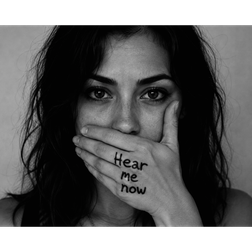
When does abuse truly end? Survivor and advocate Bal shares a raw, powerful account of enduring post separation abuse, coercive control, and the challenges faced by South Asian women navigating cultural taboos. Her story reveals how toxic cycles persist even after divorce twisting the truth and attacking from beyond the marriage. This episode exposes the brutal realities victims endure long after leaving their abusers and highlights why survivors must have access to understanding, empathy, and support systems that recognise non visible trauma.Through Bal’s deeply personal journey, you'll discover: The often-overlooked phenomenon of post-separation abuse and how abusers continue their control long after divorce Why cultural shame and societal pressure leave many South Asian women silenced and unprotected The critical role of trauma-informed professionals in recognising subtle signs of abuse and the gaps in current services Practical advice for survivors: building a safety net, trusting intuition, and powerfully reclaiming your voice The importance of raising awareness among communities and institutions to break generational curses and cultural stigmas This episode emphasises the urgent need for better legal, medical, and societal understanding, so that survivors no longer feel invisible or alone. Bal’s story is a call to action an inspiring testament to resilience and hope for women trapped in silence. Perfect for those affected by abuse, mental health advocates, community leaders, and anyone committed to creating safer, more compassionate support systems. Bal is a survivor and advocate dedicated to raising awareness of domestic abuse within South Asian communities. Her experiences of enduring coercive control, financial and emotional manipulation, and post-divorce trauma drive her mission to empower others and is still hope.If you're seeking real stories of resilience, expert insights on post-separation abuse, or ways to support survivors meaningfully, Start your journey to understanding and advocacy now because survivor voices deserve to be heard and validated. Note: This episode is a reflection of real-life struggles and resilience. Viewer discretion is advised.
The Hidden Signs of Abuse You Never Recognised. Until It Was Too Late.
Most survivors of abuse are left feeling silenced and misunderstood. Ebony’s raw story reveals how hope, advocacy, and inner strength can turn pain into power. If you've ever felt trapped, confused, or unsure how to navigate complex abuse, this episode is your blueprint for resilience and change. Ebony bravely shares her journey from suffering two back to back abusive relationships to becoming a fierce advocate fighting for justice and awareness. From coercive control disguised as care to reproductive coercion that manipulates and controls women’s bodies, her story uncovers the covert tactics abusers use to dominate. She reveals the harrowing details of her experience with forced abortion at four months pregnant an act of violence so manipulative it redefines what abuse really looks like. Her candid account exposes how these forms of control often go unnoticed and unpunished, urging urgent legal reforms like making reproductive coercion a standalone offense in the UK. You’ll discover: The subtle red flags love bombing, rapid attachment, misogynistic attitudes that signal toxic relationships early What reproductive coercion truly entails from stealthing to forced abortions and why it needs criminal recognition How the justice system often fails survivors, and what systemic reforms are crucial for meaningful accountability The power of inner healing, spirituality, and community support as tools to reclaim your life after trauma Practical advice for young women and girls on recognising abuse and protecting themselves This episode matters because the consequences of staying silent are devastating loss, trauma, and ongoing victimisation. Ebony’s advocacy aims not just to inform but to spark real change, challenging the language, laws, and perceptions around abuse and reproductive violence. Her message is clear: your story is powerful, your voice is vital, and hope is always within reach.Perfect for survivors, advocates, educators, or anyone who wants to understand the complex layers of abuse and how to stand strong against it. Ebony’s journey embodies resilience and the unbreakable spirit of those fighting for safety, justice, and recognition. Let her story inspire you to transform pain into purpose and to be part of a movement that demands change.