Desert FM 95.3

Desert FM 95.3

di Desert FM 95.3

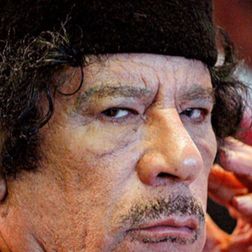
Ondonga king rejects Gaddafi’s 'King of Africa' plot

At the recent 26th annual meeting of the Council of Traditional Leaders, a fascinating story resurfaced. Ondonga King Fillemon Shuumbwa Nangolo revealed that he refused to sign documents declaring Libya’s late leader, Muammar Gaddafi, the 'King of Kings' of Africa in 2008. Providing more context on this incident, Desert FM is joined by Ondonga Traditional Authority spokesperson Frans Enkali.

112 Namibians, including four children, take their lives in four months

Namibia continues to grapple with a growing suicide crisis. Between April and August this year alone, 112 Namibians, including four children, took their lives. Minister of health and social services Esperance Luvindao has called for urgent action, while social workers warn that unhealthy family environments, bullying, peer pressure, and unresolved emotional struggles are fuelling the tragic trend. To help shed more light on the crisis, Desert FM speaks to Namibia Social Workers Association president Lovisa Nghipandulwa.
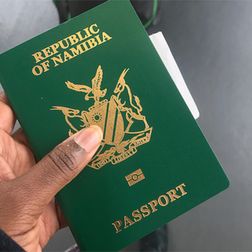
Namibia Adds 35 Countries to Visa-on-Arrival List, Boosting Tourism

We spoke to businessman Hafeni Heinrich, who says the new visa-on-arrival policy will help Namibia’s tourism recovery post-COVID-19 while emphasizing the importance of efficient services at ports of entry to maintain a positive visitor experience.

Amupanda Questions Transparency of SOE and Private Sector Salaries

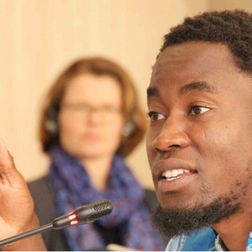
We spoke to legal practitioner Wesele Chikwililwa, who explains the implications of Affirmative Repositioning leader Job Amupanda’s notice of question to the Minister of Justice, highlighting the balance between public accountability and employee privacy in salary disclosures.

Eben de Klerk says petroleum policy must focus on broad-based empowerment

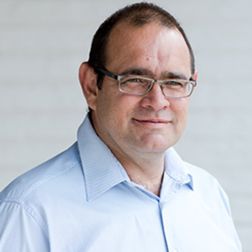
We turn our attention this hour to a conversation that is stirring national debate — the proposed National Upstream Petroleum Local Content Policy. On paper, it is meant to ensure that Namibians benefit from the oil and gas sector through procurement opportunities and participation. But critics warn that, much like in the fishing industry during the Fishrot scandal, the policy risks being hijacked by a small circle of politically connected elites. The concern is that the policy emphasizes benefits for the previously disadvantaged, many of whom are already well-off and politically linked, instead of targeting the currently disadvantaged the unemployed youth, rural poor, and everyday Namibians who truly need economic upliftment. Some fear this could lead the country down a dangerous path of what they are calling “Oilrot” — another missed opportunity for broad-based empowerment. Joining us is Eben de Klerk.

Richard Kamwi on Government's plan to directly procure medicine

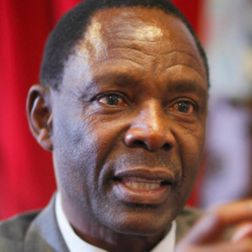
The Ministry of Health and Social Services says it is changing the way it procures medicines — shifting to direct purchases from international manufacturers. Minister Esperance Luvindao insists the new system guarantees faster delivery and better value for money, with savings of more than N$221 million. Former Health Minister Richard Kamwi, however, cautions that the solution is not only about saving money, but also about ensuring that patients in hospitals and clinics actually receive the medicines they need, when they need them. Critics argue that reforming procurement must go hand-in-hand with improving storage, distribution, and accountability within the health system. Kamwi spoke to Desert FM to give his input on the matter.

NABOLA warns that removing middlemen from medicine procurement could reduce tax contributions and employment

The Ministry of Health and Social Services has announced plans to bypass middlemen in the procurement of medicines, opting instead to buy directly from international manufacturers. Minister Esperance Luvindao says this move saves government more than N$221 million and ensures better value for money. But not everyone is convinced. The Namibia Local Business Association, better known as Naloba, warns that removing middlemen from the supply chain leads to job losses, reduced tax contributions, and weaker opportunities for local businesses. Critics argue that while middlemen are often linked to inflated tenders and political connections, they are also employers who provide livelihoods for Namibians. Naloba's Kanu Amadhila spoke to Desert FM for more.

Namibia with the highest suicide rate in Africa

Over 542 lives were lost to suicide between 2023 and 2024, leaving Namibia with the highest suicide rate in Africa, according to the president. Social workers point to financial struggles, unemployment, and isolation as key triggers. Beyond the social and psychological dimensions, experts say economic factors play a major role. To unpack these dynamics, Desert FM chats to economist Salomo Hei.

542 Namibians took their lives between 2023 and 2024

As the world puts the spotlight on suicide prevention, President Netumbo Nandi-Ndaitwah has revealed that 542 Namibians took their lives between 2023 and 2024, putting the country at the top of Africa’s suicide statistics. The Khomas Suicide Prevention Taskforce says an immediate investigation into the causes is needed, as well as efforts to curb the scourge. Taskforce chairperson Talia Tuhafeni and member Selma Nangonya, who is also a social worker, speak to Desert FM as World Suicide Prevention Day is observed globally today.

Elago Nantana walks Namibia to raise awareness on rising suicide cases

We spoke to mental health activist Elago Nantana, who has walked over 2,600 kilometres across Namibia to raise awareness on suicide prevention and mental health. He shares his personal journey, the work of his foundation, and why families, leaders, and communities must play a role in breaking the silence around mental health.
113 di 143