Curie: Healthcare in Focus

Curie: Healthcare in Focus

di Curie
Stagione 1
What Tennis Teaches Doctors About Medicine

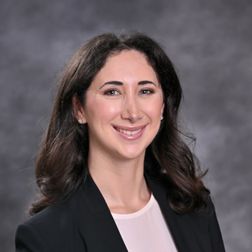
What does learning a new sport have to do with practicing medicine? In this episode of Curie, urologist Dr. Fara Bellows reflects on the unexpected parallels between tennis and clinical practice – from procedural muscle memory and strategic thinking, to failure, perfectionism, and the relief of lower stakes. She shares how becoming a beginner again reshaped her relationship to medicine, why hobbies matter more than we often admit, and what physicians can gain from pursuits that exist entirely outside the exam room. A conversation about joy, identity, and why there’s always another point to play.
What an Active Shooter Taught an Oncologist

When an active-shooter alert swept across her hospital campus, oncologist and educator Dr. Beatrice Preti found herself experiencing a level of fear she’d never encountered in medicine before, even after years of caring for patients with life-limiting diagnoses. In this conversation, Dr. Preti reflects on that day, how it reshaped her understanding of vulnerability, and the surprising parallels it revealed between crisis, uncertainty, and the emotional experience of being a patient.
Can Private Practice Be Saved?
Medicine isn’t being undone by a lack of science or compassion – it’s being buried under bureaucracy. Dr. Scott Tzorfas, a neurologist in private practice for over 30 years, calls it a “slow administrative death spiral.” From endless prior authorizations to crushing documentation demands, he argues that the system has made it nearly impossible for doctors to practice the kind of medicine they trained for. In this episode, we talk about how bureaucracy took over the exam room, why independent physicians are disappearing, and what it will take to restore autonomy. Support the movement: Sign Dr. Tzorfas’s petition to save private practice medicine.
Is AI Really Going to Solve Medicine?
In this episode, we explore the real role of artificial intelligence in clinical care today – not the hype, not the doom, but the practical middle ground. AI can scan lab data, imaging, and case literature faster than any human. But only clinicians can translate that into judgment, prioritization, and care. The future of medicine isn’t AI vs. physicians – it’s physicians who know when to trust the model, when to question it, and when to say: This is a human decision.
The Preconception Revolution with Dr. Ann Shippy

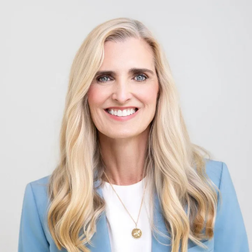
What if some of the most important determinants of a child’s lifelong health are shaped months before pregnancy begins? In this conversation, Dr. Ann Shippy shares how her engineering background and personal infertility journey led her to rethink the way we approach fertility and generational health. We explore the science behind preconception health, the roles both partners play, and what physicians can do to support patients – and themselves – during this often overlooked window of care.
From Breakdown to Breakthrough - A Physician’s Reckoning with Burnout

Medicine teaches doctors how to heal others -- but not always how to care for themselves. In this conversation, retired urologist and award-winning writer Dr. William Lynes joins Andrew to unpack the hidden culture of overwork in medicine, how burnout begins long before residency, and why storytelling might be the most unexpected tool for healing the healers.
The Wellness Industrial Complex: What Influencers Reveal About Modern Medicine
Millions of people now get their health advice not from doctors but from wellness influencers. Figures like Jay Shetty, a former monk turned media mogul, have built vast audiences by blending mindfulness, motivation, and medical-sounding guidance. But beneath the glossy packaging lies something bigger than one man’s brand. This episode unpacks how charisma, commerce, and unmet patient needs have reshaped who we listen to about our health - and why.
Autopilot Medicine: The Danger of Getting Too Good at AI

AI is making doctors faster, smarter, and more efficient, but is it also making them a little worse? In this episode, we explore how automation can sharpen some clinical skills while quietly eroding others, and what physicians must preserve to stay human in an age of intelligent machines.
Tylenol & Autism: What Clinicians Should Know (and Watch For)
Two weeks after Trump and RFK Jr. ignited a political firestorm over Tylenol and autism, we take a step back to unpack the story. In this episode, Andrew shares six reflections – from what the evidence actually shows, to the legacy-drug blind spots, to how politics and hope fill the gaps when science stalls. It’s a guided tour through the facts, the narratives, and why this controversy matters for clinicians.
Replaceable You – Mary Roach on the Miracles We Can’t Copy
Best-selling science writer Mary Roach joins Curie to talk about her new book Replaceable You, a deep dive into what happens when medicine tries to repair—or outright replace—parts of the human body. From elective amputations to pig-to-human organ research, burn units, and bioprinting labs, Roach explores the strange, awe-inspiring, and sometimes absurd frontiers of modern medicine. Along the way, she unpacks why replacement isn’t always straightforward, why surgeons often resist it, and what these efforts reveal about the extraordinary complexity of the human body. It’s equal parts fascinating, funny, and humbling—a reminder that even with decades of scientific progress, nature remains the hardest engineer to outdo
1 di 8