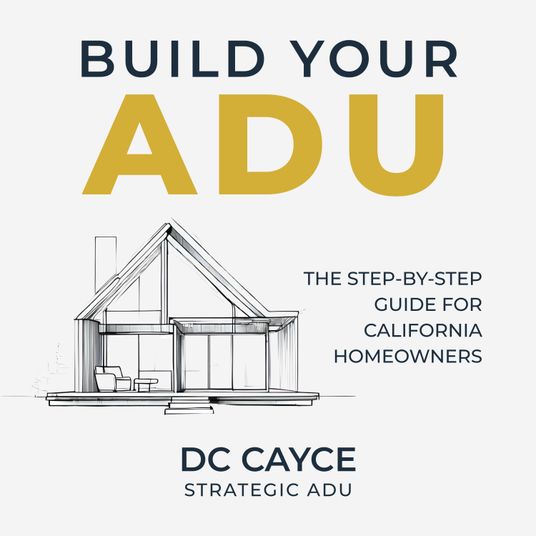
Build Your ADU

Build Your ADU

di DC Cayce

Chapter 10: Navigating the Permit Process

In the previous chapter, we discussed the engineering and technical requirements involved in preparing an ADU for construction. We talked about structural engineering, energy requirements, electrical systems, plumbing, and mechanical systems. Once these technical plans are completed, the next major milestone in the ADU process is submitting the project for city approval. This stage is known as the permit process. For many homeowners, permitting can feel confusing or intimidating. There are forms, plan reviews, and sometimes multiple rounds of corrections. But understanding how the process works can make it much easier to navigate. In this chapter, we’ll walk through the ADU permit process and explain what homeowners should expect when submitting their plans for approval. Visit StrategicADU.com for more ADU resources.

Chapter 11: Understanding Contractor Pricing

In the previous chapter, we walked through the permit process and discussed how construction plans are reviewed and approved by the city. Once your permits are issued, the next major step in the ADU journey is hiring the contractor who will build your project. But before you begin reviewing contractor proposals, it’s important to understand how construction pricing actually works. Many homeowners are surprised by how much contractor bids can vary. Two contractors may review the same plans and submit proposals that differ by tens of thousands of dollars—or sometimes much more. In this chapter, we’ll break down how contractor pricing works and what factors influence the cost of building an ADU. Visit StrategicADU.com for more ADU resources.

Chapter 12: Comparing Contractor Bids

In the previous episode, we discussed how contractor pricing works and why construction bids can vary significantly between contractors. Understanding how pricing is structured helps homeowners approach the hiring process with more confidence. But once you begin receiving contractor proposals, a new challenge often appears. How do you compare them? Many homeowners receive two or three bids and quickly realize that the proposals don’t always look the same. One bid may be detailed and organized, while another may be short and vague. Some proposals include allowances for materials, while others include fixed pricing. Because of these differences, comparing contractor bids can feel confusing. In this episode, we’ll walk through how to evaluate contractor proposals and how to make an informed hiring decision. Visit StrategicADU.com for more ADU resources.

Chapter 13: Construction Contracts Explained

In the previous chapter, we discussed how to compare contractor bids and evaluate proposals when choosing a builder for your ADU project. Once you’ve selected the contractor you want to work with, the next step is formalizing the agreement. This is done through a construction contract. A construction contract is one of the most important documents in the entire building process. It establishes the expectations, responsibilities, and protections for both the homeowner and the contractor. Unfortunately, many homeowners sign construction contracts without fully understanding wha they contain. In this chapter, we’ll break down the key elements of construction contracts so you know what to look for before starting your ADU project. Visit StrategicADU.com for more ADU resources.

Chapter 14: Preparing For Construction

In the previous chapter, we discussed construction contracts and the key elements homeowners should understand before starting their ADU project. Once the contract is signed and permits have been issued, the project is almost ready to begin. But before construction actually starts, there are several important preparations that need to take place. Preparing your property for construction helps ensure that the building phase begins smoothly and safely. It also helps reduce delays and unexpected issues once work is underway. In this chapter, we’ll walk through what typically happens before construction begins and how homeowners can prepare for the building process. Visit StrategicADU.com for more ADU resources.

Chapter 15: The ADU Construction Timeline

In the previous chapter, we talked about preparing for construction. We covered the steps that happen after permits are issued but before building begins, including site preparation, material planning, and contractor coordination. Once construction starts, many homeowners ask the same question: How long does it actually take to build an ADU? While every project is different, most ADU builds follow a fairly predictable sequence of construction stages. Understanding this timeline can help homeowners know what to expect as the project progresses. In this chapter, we’ll walk through the major phases of ADU construction and explain how a typical project unfolds. Visit StrategicADU.com for more ADU resources.

Chapter 16: Inspections and Quality Control

In the previous chapter, we walked through the ADU construction timeline and discussed the major phases that occur as your project moves from foundation to final finishes. As construction progresses, one of the most important parts of the process is ensuring the work is being done correctly. This is where inspections and quality control come into play. Inspections help confirm that the construction complies with building codes, while quality control ensures the work meets the standards expected for the project. In this chapter, we’ll explore how inspections work, what inspectors look for, and how homeowners can help ensure their ADU is built properly. Visit StrategicADU.com for more ADU resources.

Chapter 17: Managing Changes and Cost Overruns

In the previous chapter, we talked about inspections and quality control during construction. We discussed how city inspectors verify that the work meets building codes and how contractors monitor the quality of the construction process. As projects move through construction, one reality often becomes clear. Even with careful planning, changes can occur. Sometimes homeowners decide to upgrade finishes or modify certain features. Other times, unexpected conditions appear during construction that require adjustments to the project. When these situations arise, they are typically handled through change orders. In this chapter, we’ll explore how construction changes are managed and how homeowners can avoid costly overruns during an ADU project. Visit StrategicADU.com for more ADU resources.
Chapter 18: Final Inspections and Occupancy

In the previous chapter, we discussed how to manage changes and cost overruns during construction. We explored how change orders work and how homeowners can keep their projects on track financially. At this stage in the ADU journey, construction is nearly complete. The structure is built, finishes are installed, and the project is approaching the finish line. However, before the ADU can be legally used as a living space, one final step must take place. The city must perform the final inspection and grant occupancy approval. In this chapter, we’ll walk through what happens during the final inspection process and how an ADU becomes officially approved for use. For more ADU resources, visit StrategicADU.com.

Chapter 19: Renting Your ADU

In the previous chapter, we talked about final inspections and occupancy approval. We walked through the final steps required for an ADU to receive its certificate of occupancy and become legally approved for residential use. Once the ADU is completed, many homeowners begin thinking about the opportunities the new space creates. One of the most common uses for ADUs is rental income. For many homeowners, renting an ADU can help offset mortgage payments, generate long-term income, and improve the overall financial performance of the property. In this chapter, we’ll explore how renting an ADU works and what homeowners should consider before becoming landlords. Visit StrategicADU.com for additional ADU resources.
2 di 3