BSPE Legal Marketing Podcast

BSPE Legal Marketing Podcast

di Viktoria Altman
Stagione 4

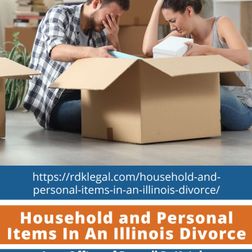
Household and Personal Items In An Illinois Divorce - Russell D. Knight

From Law Office of Russell D. Knight – Household and Personal Items In An Illinois Divorce explores the often overlooked struggle of dividing everyday possessions when marriage ends. In this episode, we break down how seemingly mundane items — furniture, jewelry, keepsakes — can become points of contention in an Illinois divorce, and how the law treats them under statutes like 750 ILCS 5/503. We’ll walk you through how courts distinguish marital property from non‑marital property, and why the Financial Affidavit used in Illinois divorces doesn’t even require a listing for household items. Learn how divorcing spouses often negotiate which items to keep, and when disputes over a single piece of jewelry or sentimental object can require deeper legal analysis. We’ll also cover special rules you may not expect — for instance, how engagement rings are treated under Illinois law (citing Vann v. Vehrs), or how gifts, inheritances, or items bought with non‑marital funds can be carved out as non‑marital property. Through real examples drawn from the article, you’ll hear how agreements like a Marital Settlement Agreement memorialize these divisions. Hosted by the perspective of Russell D. Knight of the Law Office of Russell D. Knight, who has practiced family law in Chicago and Illinois, this episode offers practical insight for anyone facing the emotional and legal complexities of divorce in the Midwest. If you’ve wondered “Who gets the couch, the jewelry, or the books?” this is the conversation to tune into. Law Office of Russell D. Knight 1165 N Clark St #700, Chicago, IL 60610, United States (773) 334-6311 https://www.google.com/maps?cid=13056420905624162796

Rising BAC: The Science Behind the Defense and How to Argue It - Jason Bassett

From Law Offices of Jason Bassett, P.C. - Rising BAC: The Science Behind the Defense and How to Argue It breaks down how a delayed chemical test can produce a blood alcohol concentration reading that does not necessarily reflect a driver’s BAC at the time of operation. This episode explores the rising BAC defense under New York Vehicle and Traffic Law § 1192(2), showing why prosecutors must prove a BAC of 0.08% or higher while the person was actually driving, not simply later at the police station. Listeners will hear how alcohol absorption, peak phase, and elimination phase can shape the legal analysis in a New York DWI case. The podcast also examines the science behind alcohol metabolism and why timing matters so much in Suffolk County and across Long Island. Drawing on issues that arise in breath and blood testing, the episode explains how food in the stomach, body composition, sex and hormones, medications, carbonation, and drink type can all influence BAC results. It also looks closely at retrograde extrapolation and why assumptions about absorption and elimination may create openings for the defense when a test is administered well after a traffic stop. Listeners will also learn how rising BAC arguments connect to New York’s legal framework, including VTL § 1194(2)(a) and VTL § 1195(2), and how borderline readings may affect the way a DWI or DWAI by alcohol case is evaluated. The episode highlights the value of building a detailed timeline using receipts, credit card records, GPS data, witness statements, text messages, and meal history. It also covers common mistakes that can weaken a defense, including speaking to police about drinking patterns, failing to preserve records, and waiting too long to get legal guidance. Featuring insights tied to the work of Jason Bassett, Esq., a Suffolk County DWI defense attorney and former Queens County prosecutor, this podcast gives listeners a practical look at how criminal defense strategy and forensic toxicology intersect in impaired driving cases. It also touches on the role of the Suffolk County District Court, County Court, Central Islip, and the broader Long Island legal landscape, offering a clear overview for anyone trying to understand how a rising BAC defense may be argued in New York. Law Offices of Jason Bassett, P.C. 320 Carleton Ave # 4200, Central Islip, NY 11722, United States (631) 259-6060 https://www.google.com/maps?cid=695024758410642184
What is Comparative Negligence in Arkansas? - Joseph Gates

From Gates Law Firm PLLC — What is Comparative Negligence in Arkansas? unpacks how fault and compensation are determined when multiple parties share responsibility in an accident. This podcast episode dives deep into Arkansas’s modified comparative negligence system, explains how the “50% bar” works, and illustrates the high stakes behind every percentage point of fault. In the second segment, we spotlight Joseph Gates, the Little Rock-based personal injury attorney behind the firm, and how his experience shapes the conversation on shared fault. We explore his journey, philosophy, and why he founded Gates Law Firm PLLC to advocate for individuals facing injury claims in Arkansas. Next, we break down the legal framework: the distinction between pure comparative negligence, pure contributory negligence, and Arkansas’s modified comparative rule under Arkansas Code § 16‑64‑122. We walk through real-world examples—how a 20% at-fault designation reduces recovery, or how reaching the 50% threshold bars compensation entirely—and discuss how evidence, police reports, accident reconstruction, and expert testimony play into assigning fault. Finally, we zoom in on how insurance companies leverage shared‐fault arguments, the strategic defenses available under Arkansas law (including jury instructions about fault consequences), and why facing insurers without dedicated counsel is risky. Listeners will come away with a clear understanding of their rights and the critical role legal representation can play in maximizing recovery under Arkansas’s complex comparative negligence rules. Gates Law Firm PLLC 2725 Cantrell Rd # 105, Little Rock, AR 72202, United States (501) 779-8091 https://www.google.com/maps?cid=4114337096292287489

Civil Restitution and Firefighting Costs in NJ Arson Cases - Adam M. Lustberg

From Lustberg Law Offices, LLC – Civil Restitution and Firefighting Costs in NJ Arson Cases explores how arson defendants in New Jersey may face not just criminal penalties but substantial financial liabilities that extend far beyond the courtroom. This episode breaks down the blog titled Civil Restitution and Firefighting Costs in NJ Arson Cases, highlighting the layered consequences—from mandatory restitution and civil lawsuits to bills from municipalities seeking to recover firefighting expenses. Listeners will gain insight into how arson charges under N.J.S.A. 2C:17-1 vary in severity, including offenses like Aggravated Arson, Arson for Hire, and Failure to Control or Report a Dangerous Fire. We’ll discuss how a defendant’s mental state—whether reckless or purposeful—can influence not only sentencing but also financial exposure. You’ll hear how penalties can escalate with charges such as Aggravated Arson, a second-degree crime governed by the No Early Release Act, and how even a conviction under a diversionary program like PTI can trigger restitution. The episode also addresses the often-overlooked financial ramifications from municipal cost recovery ordinances. Municipalities throughout New Jersey are increasingly sending arson defendants hefty bills for fire engine hours, personnel overtime, and expendable materials. We’ll explain how the “Municipal Cost Recovery Rule,” also known as the free public services doctrine, may provide a legal defense when these costs are imposed without specific legislative authorization. Finally, we tackle subrogation claims by insurance companies, where insurers seek reimbursement after paying fire damage claims. The debate over whether insurers qualify as direct victims under New Jersey restitution laws is heating up, and this episode will help you understand how legal strategies can challenge these claims. Featuring insights from Certified Criminal Trial Attorney Adam M. Lustberg, founder of Lustberg Law Offices, LLC, this podcast is a vital listen for anyone facing—or trying to understand—the full financial impact of arson charges in New Jersey. Lustberg Law Offices, LLC 1 University Plaza Dr #212, Hackensack, NJ 07601, United States (201) 880-5311 https://www.google.com/maps?cid=17248268094099978177

Can You Be Charged for Not Reporting a Fire in New Jersey? - Adam M. Lustberg

From Lustberg Law Offices, LLC - Can You Be Charged for Not Reporting a Fire in New Jersey? explores how N.J.S.A. 2C:17-1c defines criminal liability for failing to control or report a dangerous fire and clarifies when a legal duty arises. Centered on New Jersey law, the discussion explains how the statute applies in specific situations rather than creating a broad duty to report emergencies, highlighting key legal thresholds such as knowledge of danger, reasonable action, and recognized responsibility. The episode walks through how prosecutors in New Jersey build a case under the arson statute, using guidance from the New Jersey Model Criminal Jury Charges and definitions under N.J.S.A. 2C:2-2. It examines what it means to act “knowingly,” what qualifies as reasonable measures like calling 911, and how roles such as security guards, building superintendents, or individuals with custody or control of property may trigger liability. Real-world examples—from a homeowner managing a backyard fire pit to tenants in shared spaces—illustrate how Bergen County courts may interpret these scenarios. Listeners also gain insight into the serious penalties tied to a fourth-degree crime in New Jersey, including up to 18 months in prison, fines up to $10,000, and restitution. The conversation expands into collateral consequences, including permanent records that cannot be expunged under N.J.S.A. 2C:17-1, and the impact on firearm rights under N.J.S.A. 2C:58-3, N.J.S.A. 2C:39-7, and federal law 18 U.S.C. § 922(g)(1). The distinction between criminal charges and civil fire code violations under N.J. Admin. Code § 5:70-2.12 is also explored, clarifying how enforcement differs between a County Prosecutor and a Fire Marshal. Finally, Lustberg Law Offices, LLC highlights defense strategies used by attorney Adam M. Lustberg, Esq., a Seton Hall University School of Law graduate with experience from the Essex County Public Defender’s Office and recognition from Super Lawyers Rising Stars, (201) Magazine, and The National Trial Lawyers Top 100. Serving clients in Hackensack, Bergen County, and throughout New Jersey, the firm breaks down how challenging elements like knowledge, legal duty, and reasonable action—along with questioning evidence and witness credibility—can shape the outcome of fire-related criminal cases. Lustberg Law Offices, LLC 1 University Plaza Dr #212, Hackensack, NJ 07601, United States (201) 880-5311 https://www.google.com/maps?cid=17248268094099978177

NYC Home Buyer’s Closing Costs Calculator - Natalia A. Sishodia

From Sishodia PLLC – NYC Home Buyer’s Closing Costs Calculator helps prospective property buyers in New York City understand the often overwhelming array of fees and financial obligations that come with closing a real estate transaction. This episode breaks down the insights from the article NYC Home Buyer’s Closing Costs Calculator and explores how Sishodia PLLC equips buyers with tools like their user-friendly calculator to estimate expenses and avoid unwelcome surprises at the closing table. In this discussion, we cover common buyer costs like title insurance, appraisal fees, mortgage recording tax, and the infamous mansion tax—especially relevant for properties priced above $1 million. We also explain how closing costs can differ depending on whether the purchase involves a condo, co-op, or a newly developed property, and how financing can significantly impact your total financial commitment. By walking through each line item on a buyer’s closing cost sheet, we offer clarity for anyone navigating NYC’s unique real estate landscape. Listeners will also learn how Natalia A. Sishodia, Esq., LL.M., Managing Partner of Sishodia PLLC, works closely with clients ranging from first-time buyers to high-net-worth investors, guiding them through each stage with precision and care. With fluency in English and Russian and a background in estate planning and cross-border taxation, Natalia brings a global perspective to New York real estate law. Rounding out the conversation is Beatrice Raccanello, Esq., LL.M., MBA, a multilingual senior associate at the firm. Beatrice’s experience spans residential transactions, entity formation, and business law matters, offering listeners insights into both real estate and legal structuring. Whether you're buying a co-op in Manhattan or investing in a new development, this episode equips you with the knowledge to plan wisely and move forward confidently. Sishodia PLLC 600 3rd Ave 2nd floor, New York, NY 10016, United States (833) 616-4646 https://www.google.com/maps?cid=12450537318741950980

BAC Calculator | Blood Alcohol Calculator - Rachel Kugel

From The Kugel Law Firm – BAC Calculator | Blood Alcohol Calculator examines how tools like the ETG Calculator can help individuals understand chemical testing in New Jersey DUI / DWI cases. In this podcast, we’ll break down how the Kugel Law Firm, including Rachel Kugel, uses insight into BAC and EtG tests to navigate the world of impaired driving defense. In the first segment, we’ll introduce the importance of BAC (Blood Alcohol Content) thresholds in New Jersey and how even sub‑.08 readings don’t always exempt someone from DWI charges. We’ll then transition into the role of ETG testing — measuring ethyl glucuronide in urine, which can detect alcohol consumption days after drinking. The podcast explains how the ETG Calculator offered by The Kugel Law Firm gives a guideline for when test levels might fall below cutoff thresholds. Next, we’ll walk through real-world scenarios: how ignition interlock device mandates, alcohol sobriety programs, and probation requirements intersect with EtG testing. We’ll discuss how defense strategies at The Kugel Law Firm (including those by Rachel Kugel) may leverage timing, testing windows, and chemical test limitations to help clients. We’ll also shed light on how their Newark, NJ office and their New York practice coordinate to assist clients across state lines. Finally, we’ll conclude with a listener Q&A: how to interpret your own test numbers, when to seek legal advice, and what key questions to ask your attorney if you’re facing a DUI / DWI involving EtG testing. Tune in to gain clarity, confidence, and insight into your rights when chemical evidence is on the line. The Kugel Law Firm 1 Gateway Ctr # 2600, Newark, NJ 07102, United States (973) 854-0098 https://www.google.com/maps?cid=3822170752710866861

Brooklyn Rollover Accident Lawyer - Samantha Kucher

From Kucher Law Group – Brooklyn Rollover Accident Lawyer dives into the devastating impact of rollover crashes and how legal support can make a difference. Brooklyn Rollover Accident Lawyer reveals how rollover victims often face overwhelming medical bills, aggressive insurance adjusters, and long-term health effects. This episode explores the realities behind these violent collisions and how Kucher Law Group builds strong legal cases through crash data, eyewitness testimony, and vehicle design analysis. We begin by examining what makes rollover crashes so dangerous—unpredictable swerves, poor road conditions, and flawed vehicle designs that disproportionately affect SUVs, vans, and trucks in Brooklyn. You’ll learn how New York’s Insurance Law § 5102 allows seriously injured victims to step outside the no-fault system and pursue full compensation. Frequent causes like potholes, slick bridges, and high center-of-gravity vehicles all raise the risk, and the Kucher team breaks down how these hazards translate into solid legal claims. Listeners will hear how attorneys like Samantha Kucher, Michael Roitman, and Alex Rybakov use black-box data, crash reconstructions, and expert testimony to hold insurers accountable. The episode explores the severe injuries that result from rollovers—traumatic brain injury, spinal cord damage, and internal bleeding—and how medical documentation plays a critical role in compensation. Learn how prompt action and avoiding common insurance mistakes can preserve your rights. Whether you're a Brooklyn driver, a passenger, or someone recovering from a crash, Brooklyn Rollover Accident Lawyer shows how the legal team at Kucher Law Group turns trauma into action. Tune in to understand the full scope of rollover accident claims and why choosing the right legal partner can transform your recovery journey. Kucher Law Group 463 Pulaski St #1c, Brooklyn, NY 11221, United States (929) 563-6780 https://www.google.com/maps?cid=5716384493669715397

Manhattan Family Law Attorney - Richard Roman Shum

From Law Office of Richard Roman Shum, Esq - Manhattan Family Law Attorney explores what is at stake when family law disputes affect your children, your home, and your financial future in Manhattan and throughout New York City. This episode breaks down how New York family law governs divorce, custody, support, and property division, giving listeners a practical understanding of the legal framework that shapes life-changing decisions. The discussion walks through how divorce works in the New York County Supreme Court at 60 Centre Street, including the difference between uncontested divorce and contested divorce, typical timelines, and New York residency requirements. It explains no-fault divorce based on an irretrievable breakdown for six months, along with fault-based grounds such as cruel and inhuman treatment, abandonment, adultery, imprisonment, and living separate and apart pursuant to a separation agreement or judgment of separation. Listeners gain clarity on how these grounds influence the process and what to expect at each stage. The episode also examines how the Manhattan Family Court at 60 Lafayette Street decides child custody using the best interests of the child standard. It outlines legal custody and physical custody, sole and joint arrangements, parenting plans, and visitation schedules. In addition, it explains how child support is calculated under the Child Support Standards Act (CSSA), including the combined income cap of $183,000 as of March 1, 2024, the statutory percentage guidelines based on the number of children, and when support orders may be modified due to substantial changes in circumstances. Finally, the conversation addresses spousal maintenance (alimony), equitable distribution of marital property, and the distinction between marital and separate property under New York Domestic Relations Law and the Family Court Act. It also explores alternatives to litigation such as mediation through the New York City Family Court Custody/Visitation Mediation Program and the New York County Matrimonial Mediation Program, as well as arbitration under Civil Practice Law and Rules Article 75. Featuring insights from Richard Roman Shum, Esq., a lifelong New Yorker and Lower East Side resident, the episode reflects the firm’s commitment to guiding families across Manhattan, Brooklyn, Queens, the Bronx, and Staten Island from its office at 20 Clinton Street. Law Office of Richard Roman Shum, Esq 20 Clinton St FRNT 5D, New York, NY 10002, United States (646) 259-3416 https://www.google.com/maps?cid=3597344583150276913

Arkansas Sex Abuse Lawyer - Joseph Gates

From Gates Law Firm, PLLC – Arkansas Sex Abuse Lawyer explores the deeply personal yet legally powerful journey survivors of sexual abuse face when seeking justice in Arkansas. This episode delves into the essential protections available under state law, including how victims can pursue civil claims against individuals and institutions like schools, churches, and employers who enabled abuse to occur. Listeners will gain insight into the trauma-informed, survivor-centered advocacy that defines the approach at Gates Law Firm, PLLC. Our conversation highlights how institutions—ranging from religious organizations and daycare centers to healthcare facilities and workplaces—can be held accountable through civil action. We unpack how failures like negligent hiring, lack of supervision, or moving abusers between locations without consequence form the basis of institutional liability in Arkansas courts. The discussion also covers important updates to the statute of limitations, the impact of Arkansas Code § 9-27-303, and why prompt legal consultation matters after the Arkansas Court of Appeals’ 2025 ruling on filing deadlines. We speak about how survivors can expect sensitive, confidential handling of their case, from using protective orders and anonymous filings to aligning legal steps with therapeutic needs. Joseph Gates, founder of Gates Law Firm, PLLC, brings not only over a decade of courtroom experience but also a deep personal commitment to making sure survivors are treated with compassion and dignity. His belief in equal access to civil justice and his role in organizations like the Arkansas Trial Lawyers Association and the American Association for Justice underscore the firm’s mission. This episode is for anyone who has endured abuse—or knows someone who has—and wants to understand what legal recourse looks like when handled with care and competence. Whether you’re considering action against a negligent institution or seeking compensation for long-term trauma, Arkansas Sex Abuse Lawyer offers vital knowledge and hope for a way forward. Visit gateslawpllc.com or call (501) 779-8091 to take the first step in a confidential, supportive conversation. Gates Law Firm PLLC 2725 Cantrell Rd # 105, Little Rock, AR 72202, United States (501) 779-8091 https://www.google.com/maps?cid=4114337096292287489
67 di 178