BigRoShorts

BigRoShorts

di BIGROSHORTS
Stagione 1

DRUG ELIMINATION

Drug elimination is the process by which a drug is removed from the body, reducing its concentration in plasma and tissues. It is a key component of pharmacokinetics and determines drug duration of action and dosing intervals. Drug elimination occurs through two main processes: Metabolism (Biotransformation) – chemical modification of the drug Excretion – physical removal of the drug or its metabolites from the body

ENZYMES IN PHARMACOLOGY 2

Enzymes are biological catalysts that control most chemical reactions in the body. In pharmacology, they are extremely important because they affect how drugs are metabolized, activated, inactivated, and eliminated. Understanding enzymes helps doctors determine drug dosing, drug interactions, and therapeutic effectiveness. 🧬💊

ENZYMES AND THE ROLE THEY PLAY IN PHARMACOLOGY

Enzymes are biological catalysts that control most chemical reactions in the body. In pharmacology, they are extremely important because they affect how drugs are metabolized, activated, inactivated, and eliminated. Understanding enzymes helps doctors determine drug dosing, drug interactions, and therapeutic effectiveness
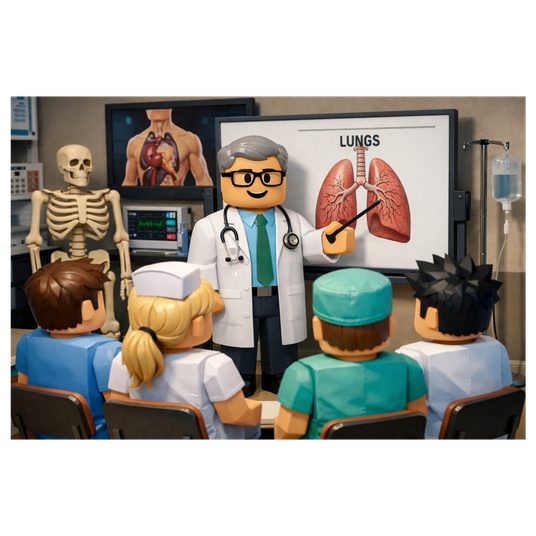

BIOCHEMISTRY BREAKDOWN

Struggling with biochemistry? Biochem Breakdown simplifies pathways, proteins, and processes into clear, digestible episodes that help you actually understand—not just memorize.

PHARMACOKINETICS EXPLAINED

Pharmacokinetics (PK) is the branch of pharmacology that describes what the body does to a drug over time. It studies how a drug enters the body, moves through it, is chemically changed, and finally leaves the body.

DRUG DOSING

Drug dosing refers to determining the correct amount of a medication to give a patient and how often it should be administered to achieve the desired therapeutic effect without causing toxicity. It is a core principle in Pharmacology and clinical medicine.
2 di 2