Ask Dr. Applewhite

Ask Dr. Applewhite

di ASK Dr Applewhite

Changing the Way you Handle Stress

What is the point of setting goals and preparing to make changes at home, school and work if you have not changed the way you handle stress? This is especially true for the parent or teacher dealing with mental health issues such as anxiety or mood disorders. Parents who attend classes, maintain work schedules, and raise children will benefit from the ideas and techniques shared by Professor Applewhite and the staff of White Apple Institute. We invite Midge Noble, Child and Family Therapist to the Student2teacher radio to discuss how parents and teachers can impact others bylearning how to handle majorstressors in their lives.

Are you finally ready for change?

There are so many books and on how to improve your SELF and make a CHANGE that it becomes overwhelming. The fact that change is inevitable and the one thing we can count on happening should capture our interest. For many of us CHANGE is frightening and a subject we dismiss immediately when it relates to making serious life changes related to marriage/divorce, sickness/health, school/ work, etc. For our Listeners we will focus on the subject of readiness to make changes in our jobs, careers and the choice to start or maintain "school". We begin by examining ourselves and listening to an inner voice. Join Professor Applewhite and guests for this enlightening subject on the Student2teacher show. Or listen to archived shows any day of the week by visiting Websites @: http://www.whiteappleinstitute.org/ . On radio via Internet http:// blogtalkradio.com/student2teacher .

Having Trouble with Being the Parent and the Student?

There are a multitude of problems faced by parents who are also in school and working a full-time job. What makes it so difficult for them to balance all of the stress and work? Do they have to be "multi-taskers"? Professor Applewhite invites parents to discuss the challenges they experience and shares techniques to help parents improve their success. Listen to the episodes of the Student2teacher show any day of the week by visiting Websites @: http://www.whiteappleinstitute.org/ . On radio via Internet http:// blogtalkradio.com/student2teacher
When the Student Becomes the Teacher

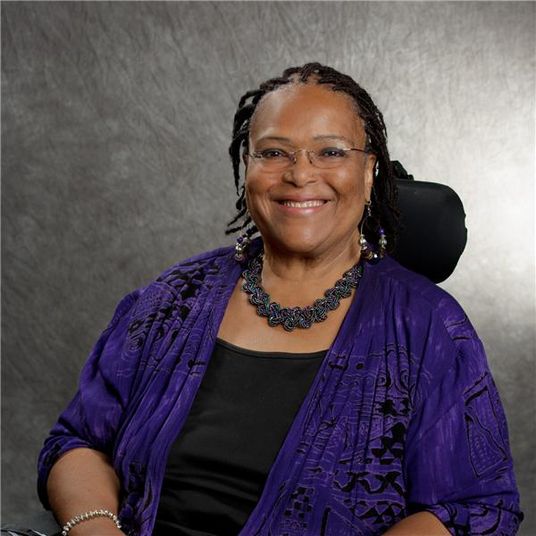
There are not many things in life that can match the joy of a teacher when hearing about his or her student's success. This holds especially true for those students who continuing practicing the lessons taught and reach back to help others attain their goals. As we move toward a more technological based society we must be careful not to lose touch of many of the human to human interactions that still remain so satisfying. Professor Applewhite discusses the joyful experience of watching the student becoming the teacher. Don't miss our Special Guest Issim Dark, Artistic Director, Writer, Actor, Performer and Activist. Join us live by calling 1-646-727-3758 or listen to archived show athttp://blogtalkradio.com/student2teacher

Understanding Students and Violence

Much of the violence we are experiencing in schools is blamed on students diagnosed with a mental disorder. However, society must take on some responsibility for the exposure to violence in early childhood. Join Professor Applewhite and Special Guest Midge Noble, Child and Family Therapist and Author in a very candid discussion that will help us understand how violent tendencies may begin and how to manage them.

Accommodations for Adult Students with Disabilities

This episode will help Listeners understand 1)what services are available for students diagnosed with mental and physical disabilities in post-secondary education, 2) what accommodations mean, 3) how to ask for accommodations, and what to do when discrimination is found. This information is very useful for parents and teachers, too. Join Professor Applewhite and the staff of White Apple Institute in welcoming Dr. Sarah Williams-Tolliver and other guests that serve students in higher education. Listen to the episodes of the Studnt2teacher show any day of the week y visiting Websites @: http://www.whiteappleinstitute.org . On radio via Internet http:// blogtalkradio.com/student2teacher
Working with Non-Visible Disabilities- Pt 2 of 2

Communicating our needs to others is not common in the workplace, specifically with persons diagnosed with disabilities that can’t be seen. It is difficult for many adults to deal with aging in the Western world and even more difficult when a disability challenges our physical stamina, memory, and concentration. Unfortunately, many adults in the workplace today experienced negative stereotypes in early school years about people who learn differently than others and never learnd how to communicate their needs to others.Special Guest Robert Hickem from Salt River Council joins to discuss the importance of communication between agencies and the people they serve. Today’s soldier/veteran with a mental disability, along with many other non-military personnel, need to learn how to communicate their needs when dealing with challenges such as PTSD. Hear Chip Stoecker, Veteran, and Manager of the Ability enter in Phoenix share suggestions on ways to improve our communication skills. Professor Applewhite and the staff of White Apple Institute are dedicated to supporting persons with disabilities reach their goals to succeed at school and in the workforce. Share or Listen to inspiring stories and information at http://blogtalkradio.com/student2teacher or join us live any Saturday morning from 10-10:30am (AZ-GMT) by calling 1-646-727-3758
Working with Non-Visible Disabilities- Pt 1 of 2

What does a “disabled person” look like? With so many symbols and pictures displaying a wheelchair icon it is difficult for many to visualize a person standing, walking, talking, etc who may need an accommodation at work or college. Almost 20 million persons with disabilities are in the United States workforce managing chronic pain, alcoholism, respiratory diseases, diabetes, cancer, HIV/AIDS, traumatic brain injuries, fibromyalgia, arthritis, rheumatic diseases, post-traumatic stress disorder (PTSD) and many psychiatric and learning disabilities. Learning to adapt to a disability that is not visible is most difficult because society demands visual proof of things. Employers, employees, and adult students need education to understand how differently-abled employees can contribute to the workforce. You are invited by Professor Danita Applewhite and the staff of White Apple Institute to share your story or listen as other Listeners and Guests share theirs by calling 1-646-727-3758 every Saturday morning from 10 to 10:30 (AZ time) or visit us at http://blogtalkradio.com/student2teacher anytime to hear previous episodes
Issues Affecting Women Veterans with Disabilities

The number of women veterans with disabilites has doubled in the last decade, specifically related to PTSD (post-traumatic Sress Disorder) and MST (Military Sexual Trauma). Learn about possible discriminatory practices by joining Professor Applewhite and her Special Guest Sue Wudy this week. Sue Wudy is a representative for all veterans and has an inspiring story to tell. Call 646-727-3758 to participate LIVE at 10am or listen to the archived show at anytime at http://blogtalkradio.com/student2teacher.

Adults with Disabilities in the Workforce-3of 3

Listen to encouraging stories of women, even mothers who work and attend classes with visible, as well as many non-visible disabilities. David Carey joins us from ABIL. Professor Applewhite and guests discuss gender roles in the workforce and the impact on disability when looking at accommodations. Women Veterans with Disabilities share their challenges in VET2VET discussions. You are invited to share your story or listen as other Listeners share theirs by calling 1-646-727-3758 on Saturday mornings from 10-10:30am (AZ time) or visit us at http://blogtalkradio.com/student2teacher . You can even hear previous episodes. Be sure to share our shows with your friends, students, and clients to minimize burnout and dropout from work and school/college.
25 di 39