

A Note From The Principal's Desk

A Note From The Principal's Desk

di Dr. Stacy Shepard
Stagione 4
Rest Is Not Optional: A Command, Not a Suggestion
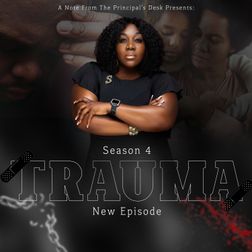
In this heartfelt episode of Another Note from the Principal’s Desk, Dr. Shepard speaks directly to educators, leaders, parents, and caregivers who are carrying far more than they were ever meant to bear. As the semester comes to a close, she offers a powerful reminder: rest is not a reward for finishing everything—it is a biblical command and a necessary act of trust in God. Drawing from Scripture and lived experience, Dr. Shepard challenges the hustle culture that glorifies exhaustion and replaces peace with pressure. She invites listeners to embrace stillness, release guilt, set boundaries without explanation, and stop carrying unfinished checklists into the next season. This episode offers practical steps for intentional rest, spiritual renewal, and emotional release during the break. If you are tired, overwhelmed, or struggling to let go, this message is for you. Permission has been granted—pull back, trust God, and rest on purpose.
Trauma or Attitude? Understanding the Difference and Responding with Compassion

In this final installment of the trauma series, Dr. Shepard invites listeners into an honest, reflective, and deeply necessary conversation about one of the most misunderstood issues in schools, families, and adult relationships: the difference between a trauma response and a “bad attitude.” Drawing from personal experience, school leadership, trauma-informed practice, and faith, Dr. Shepard challenges the quick labels we often assign to children and adults alike. She unpacks how behaviors such as emotional outbursts, withdrawal, perfectionism, defiance, and overreactions are often rooted in unresolved trauma—not disrespect. This episode explores: Why trauma does not expire with age How childhood wounds often show up in adulthood The danger of punishment without understanding How educators, parents, and leaders can shift from reacting to responding Practical ways to de-escalate, restore, and create emotionally safe environments When to support, when to set boundaries, and how to love from a distance Dr. Shepard reminds us that being trauma-informed is not a strategy—it’s a mindset. It’s about seeing people differently, leading with curiosity, and choosing compassion without excusing harmful behavior. Whether you are an educator, parent, leader, or simply someone on a healing journey, this episode will challenge you to pause, reflect, and reframe how you respond to others—and yourself. ✨ Some attitudes are not attitudes at all. They are pain asking to be understood.
The Weight We Carry: Black Women, Trauma, and the Work of Healing
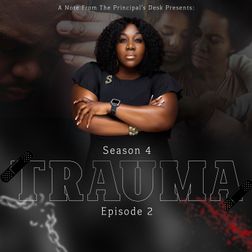
In this deeply vulnerable conversation, Dr. Shepard sits at the table with a dynamic panel of Black women in education and leadership to explore the intersection of trauma, identity, and leadership. Together, they trace how childhood wounds, family dynamics, loss, and unspoken expectations shaped the way they show up as principals, teachers, social workers, professors, coaches, and mothers. The women share their journeys of realizing, often in adulthood, that what they experienced was trauma—and how that trauma was silently driving their leadership style, relationships, and self-worth. They talk about how healing is not a one-time event but an ongoing process, and how they are learning to honor themselves while still serving others well. This episode feels like sitting on the couch with your sisters: honest, spiritual, funny, raw, and full of practical wisdom.
Trauma & Black Men in Education: Healing Out Loud
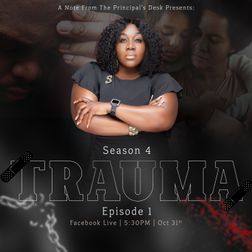
In Season 4, Episode 2 of A Note From the Principal’s Desk, Dr. Shepard is joined by three dynamic Black male educators and leaders—Leo Heath. Jr., Dexter Strowman, and Tyler Jones—for a raw, honest roundtable on trauma and Black men, especially those serving in schools and leadership. Together, they unpack: What trauma really looks and feels like for Black men—from childhood bullying and broken friendships to loss, church hurt, and family expectations How unspoken pressures show up for Black male educators: having to be “perfect,” code-switching, being “Black enough” yet “professional enough,” and constantly carrying the weight of representation The reality of being the “strong friend,” struggling to find safe spaces to be vulnerable, and what it means to heal out loud while protecting your peace The conversation also dives into forgiveness, boundaries, faith, gym time, quiet time, and how writing, prayer, and solitude help them stay grounded. Dr. Shepard holds space as these men share their truth on loyalty, bias in schools, racism and microaggressions, emotional regulation, and the deep desire to be who they needed when they were younger—for students, for family, and for themselves. This episode is a must-listen for educators, families, and anyone who loves or leads Black men. It’s candid, layered, and full of moments that will make you pause, reflect, and see our brothers with more compassion. Season 4 continues the trauma series with this powerful reminder: Black men deserve room to feel, heal, and be fully human—out loud.
Trauma in Our Children: What We Must See, Name, and Do
In this Season 4 opener, Dr. Shepard returns with a powerful and necessary conversation: trauma in children—what it is, how it shows up, and what adults must do differently. Speaking from nearly two decades of school leadership, Dr. Shepard breaks down trauma in simple, accessible language and offers clarity around acute, chronic, and complex trauma. She challenges educators, parents, and community members to reconsider how we interpret children’s behaviors, reminding us that “trauma is often disguised as behavior.” Throughout this episode, Dr. Shepard emphasizes three core responsibilities of the adults who serve and love children: ✔️ create loving, structured environments with healthy boundaries ✔️ build trust by showing up with consistency and integrity ✔️ validate children’s feelings instead of dismissing them This episode is an honest, spirit-led call to action for everyone who interacts with young people. Dr. Shepard also closes with a heartfelt message to men—especially Black men—affirming their value, struggle, and humanity as she prepares for next week’s panel on Trauma in Black Men. Tune in to learn, reflect, and rise to the responsibility of caring for “the least of these.” Season 4 is here—and it starts with truth, healing, and accountability.
Stagione 3
A Call to Action: Body Image, Self-Love, and the Next Generation

In the final episode of Season 3, Dr. Shepherd tackles a heavy but urgent topic—how societal beauty standards and the images we promote impact the mental, emotional, and spiritual health of our young women. Drawing from personal experiences as a mother, educator, and community leader, she sheds light on the dangers of unrealistic body expectations, the oversexualization of girls, and the devastating effects these pressures can have on self-worth. This episode is both a challenge and a call to action—for women to model true self-love, for men to recognize their influence, and for all of us to pour into our children with honesty, respect, and hope. #YourFavoriteSchoolLeader
Stepping Out on Faith: Building Schools, Building Futures
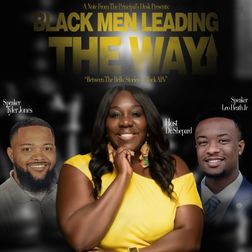
Tonight’s conversation is nothing short of powerful. Dr. Shepard sits down with the amazing Ms. Tiffany Flowers — an educator, leader, and visionary who, in her 20s, stepped out on faith to start a school dedicated to serving Black and Brown children. From typing out the vision on a road trip, to teaching in cafeterias and hallways, to proving skeptics wrong with a charter school built on excellence and community, Tiffany shares her journey with humility and fire. We talk about challenges, building trust with families, pushing past labels, and redefining what education means for our communities. This is a testimony of faith, purpose, and the power of consistency. Tune in, share, and be inspired to believe bigger. #YourFavoriteSchoolLeader
Young, Black, and Leading: A Candid Conversation on Leadership, Culture, and Balance

In this powerful episode of A Note From the Principal’s Desk, Dr. Shepard sits down with Assistant Principals Tyler Jones and Leo Heath for an authentic and transformative discussion about being young Black leaders in education. Together, they share their journeys, challenges, and victories—from navigating doubt and building trust with families to addressing race and culture with scholars in meaningful ways. Listeners will gain insight into: The realities of leading while young and Black and breaking through stereotypes. Strategies for engaging students and families around race, history, and cultural unity. The importance of mental health, balance, and preparation in leadership roles. Practical advice for aspiring educators and future administrators on positioning themselves for success. This episode is rich with truth, inspiration, and actionable wisdom for educators, leaders, and families alike. Tune in and be reminded: leadership takes sacrifice, intentionality, and a heart for the work—but the impact lasts for generations.
How Do Problematic Educators Slip Through The Cracks

Join Dr. Shepard as she tackles one of the most pressing concerns in education: How do individuals with troubling histories keep getting hired in schools? From gaps in background checks to weak inter-district communication, Dr. Shepard breaks down how this happens — and what can be done to stop it. 🎙️ Don’t miss this important conversation. 🔍 Let's shine a light on hiring practices in education.
When to Medicate and When Not To
This week, I want to open a conversation that matters deeply to many of our families and educators alike: Should children who take medication for focus be given a break when they’re not in controlled or academic environments? We often speak about giving kids space to just be kids—to explore, imagine, and unwind. But for students who rely on medication to stay focused during school hours, what happens when that structure ends? Should they continue their regimen on weekends, during holidays, or in creative or social settings? There’s no one-size-fits-all answer—but it’s worth asking: 🔹 Are we honoring the whole child? 🔹 Are we supporting their development both inside and outside the classroom? 🔹 And how can we partner with families to ensure balance, empathy, and informed choices? Let’s keep this dialogue open—with compassion, science, and each student’s well-being at the center. 💬❤️ #PrincipalPerspective #WholeChildApproach #MentalHealthMatters #FocusAndFreedom #ParentPartnership
1 di 4