Regístrate gratis
Funcionalidades
Recursos
Precios
Podcasts
Regístrate gratis
Iniciar sesión
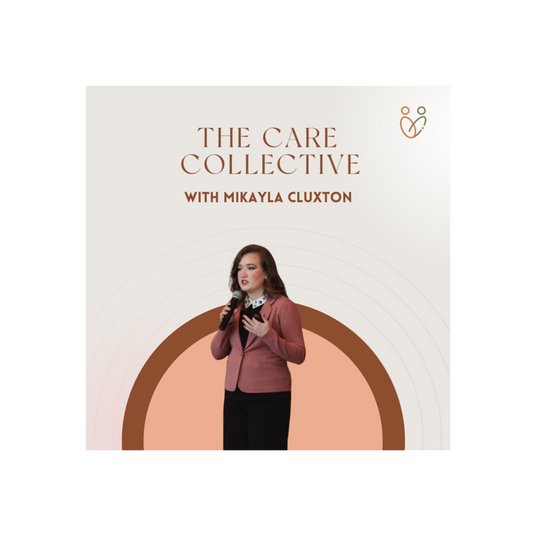
The Care Collective Podcast
por Mikayla Cluxton
Salud y estado físico
Sociedad y Cultura
Feed RSS
Sitio Web
Escuchar en
Compartir
Episodios
Detalles
Temporada 1
You Don’t Have to Do Everything Today
IA
Does everything on your to-do list feel urgent? The appointment needs to be scheduled. The prescription needs to be picked up. Someone needs you. The laundry is piling up. There are texts you haven't answered, decisions you haven't made, and somehow you're already worrying about problems that haven't even happened yet. When you're a caregiver, it can start to feel like everything needs to be handled right now. In this episode of The Care Collective, we're talking about giving yourself permission to stop trying to do it all in one day. We'll talk about figuring out what's actually urgent, letting tomorrow's problems belong to tomorrow, and choosing just three things that really need your attention today. Because there will always be another thing to do. You are allowed to leave some of it for tomorrow. 🤍 In this episode: - Why caregiving can make everything feel urgent - The problem with waiting until you're “done” to rest - How to decide what actually needs to happen today - Why you don't need to solve future problems right now - The simple “pick three” approach for overwhelming days If you know a caregiver who has way too much on their plate right now, send this episode their way. Listen to The Care Collective Podcast Follow the podcast and find all episodes here: https://linktr.ee/Carecollectivepodcast About The Care Collective Podcast The Care Collective Podcast shares honest conversations about caregiving, aging, grief, resilience, and the emotional realities of supporting the people we love. Our goal is to help caregivers feel seen, supported, and less alone.
How to Have Difficult Conversations with Aging Parents | Communication Tips for Family Caregivers
IA
Talking with an aging parent about giving up the car keys, accepting help, moving into assisted living, or managing finances can feel overwhelming. Even when you know the conversation is necessary, it can quickly turn into frustration, resistance, or conflict. In this episode of The Care Collective Podcast, I'm joined by Edla Prevette, licensed mental health therapist and caregiver coach. Drawing from both her professional expertise and years of caring for her own parents, Edla shares practical strategies for communicating with aging loved ones in ways that build trust instead of tension. Together, we discuss why connection should come before problem-solving, how to recognize when conversations are escalating, ways to regulate both yourself and your loved one during difficult moments, and how grief, role reversal, and sibling dynamics all impact the caregiving journey. Whether you're just beginning to support an aging parent or you've been caregiving for years, this episode offers actionable tools to help you approach difficult conversations with more confidence and compassion. In this episode, we discuss: Why connection comes before cooperation How to approach difficult conversations without creating conflict Signs a conversation is beginning to escalate Communication techniques that help aging parents feel heard The emotional impact of role reversal between parents and adult children Navigating grief while your loved one is still living Managing sibling disagreements during caregiving Why understanding normal aging can improve communication Practical ways to build trust before tackling difficult decisions Resources Mentioned Edla Prevette: https://www.edlaprevette.com Free One-Eighty Workbook: https://www.edlaprevette.com/oneeightyworkbook Listen to The Care Collective Podcast Follow the podcast and find all episodes here: https://linktr.ee/Carecollectivepodcast About The Care Collective Podcast The Care Collective Podcast shares honest conversations about caregiving, aging, grief, resilience, and the emotional realities of supporting the people we love. Our goal is to help caregivers feel seen, supported, and less alone.
Caring for Aging Parents: Self-Compassion, Dementia & Difficult Conversations | Yasmin Shah
IA
What does it really mean to become a caregiver? For many family caregivers, it isn't a role they choose—it's one that slowly finds them. One day you're the child, and the next you're managing doctor's appointments, medications, difficult conversations, and the emotional weight of watching someone you love change. In this episode of The Care Collective Podcast, Mikayla sits down with Yasmin Shah, caregiver advocate, author of Caregiving for Seniors, and founder of VillageCore. Drawing from more than 20 years in the caregiving and aging space and her own experience caring for both of her parents, Yasmin shares honest stories and practical wisdom for navigating one of life's most challenging roles. Together, they discuss: When you realize you've become a caregiver Why caregiver guilt can be so overwhelming—and how to replace it with self-compassion Supporting a loved one living with dementia Navigating difficult conversations about driving, independence, and end-of-life wishes Why planning ahead can reduce stress for the entire family How technology and AI may help simplify caregiving in the future The importance of protecting your own health, relationships, and emotional well-being while caring for someone else Whether you're caring for an aging parent, supporting a spouse, or preparing for the future, this conversation offers practical advice and compassionate encouragement to remind you that you don't have to carry the weight of caregiving alone. Connect with Yasmin: VillageCore: https://villagecore.org Find her book here: https://villagecore.org/book Listen to The Care Collective Podcast Follow the podcast and find all episodes here: https://linktr.ee/Carecollectivepodcast About The Care Collective Podcast The Care Collective Podcast shares honest conversations about caregiving, aging, grief, resilience, and the emotional realities of supporting the people we love. Our goal is to help caregivers feel seen, supported, and less alone.
Medication Safety for Caregivers: Side Effects, Polypharmacy, and Questions to Ask
IA
Caring for an aging loved one often means managing prescriptions, watching for side effects, and trying to make sense of complicated medical information. But how do you know whether a new symptom is caused by a health condition, or by one of their medications? In this episode of The Care Collective, Mikayla speaks with Bri, a geriatric pharmacist known as the Caregiver Pharmacist, about medication safety for older adults and the essential role caregivers play in the healthcare process. Bri explains how older adults can end up taking dozens of medications, how one prescription can sometimes lead to a “prescribing cascade,” and why dizziness, falls, confusion, fatigue, appetite changes, and changes in mobility should never be dismissed. They also discuss polypharmacy, deprescribing, medication side effects, pharmacogenomic testing, and how genetics can affect the way a person responds to certain prescriptions. You’ll learn practical questions to bring to your loved one’s next medical appointment, including: “What is this medication for?” “Is this medication still necessary?” “Could any medications be contributing to these symptoms?” “What side effects should we watch for?” “What is the long-term plan for this medication?” Whether you are caring for a parent, spouse, grandparent, or another loved one, this conversation will help you feel more informed and confident when discussing medications with their healthcare providers. This episode is for educational purposes only and is not a substitute for personalized medical advice. Always consult a qualified healthcare provider before starting, stopping, or changing a medication. Find Bri's Instagram here: @thecaregiverpharmacist https://www.instagram.com/thecaregiverpharmacist Listen to The Care Collective Podcast Follow the podcast and find all episodes here: https://linktr.ee/Carecollectivepodcast About The Care Collective Podcast The Care Collective Podcast shares honest conversations about caregiving, aging, grief, resilience, and the emotional realities of supporting the people we love. Our goal is to help caregivers feel seen, supported, and less alone.
The Hidden Grief of Caregiving: Mourning the Person You Used to Be
IA
What happens when the person you're grieving... is yourself? Caregiving has a way of quietly changing us. Not overnight, but little by little, until we wake up one day feeling like we've lost touch with the person we used to be. In this episode, we're unpacking why that happens, what psychology teaches us about identity loss and grief, and why missing the person you were doesn't mean you'll never love the person you're becoming. _______________________________ Listen to The Care Collective Podcast Follow the podcast and find all episodes here: https://linktr.ee/Carecollectivepodcast About The Care Collective Podcast The Care Collective Podcast shares honest conversations about caregiving, aging, grief, resilience, and the emotional realities of supporting the people we love. Our goal is to help caregivers feel seen, supported, and less alone.
Feeling Like You've Lost Yourself? The Hidden Identity Loss of Caregiving
IA
Episode Description Have you ever looked at an old photo of yourself and wondered, What happened to that version of me? Caregiving has a way of quietly reshaping our lives. One appointment becomes dozens. One act of helping becomes years of responsibility. And somewhere along the way, it's easy to lose sight of the person you were before caregiving became part of your identity. In this solo episode, Mikayla explores the often-overlooked grief of losing yourself while caring for someone else. Together, we'll talk about identity, role engulfment, the invisible sacrifices caregivers make, and why missing your old life doesn't mean you love your person any less. If you've ever felt like you've become "just the caregiver," this conversation is your reminder that you're still in there. In this episode, we discuss: Why caregivers often feel like they've lost their identity The invisible sacrifices that come with caregiving What role engulfment is and how it affects your sense of self Why grieving your old life is a normal part of the caregiving journey Small, meaningful ways to reconnect with yourself again 💛 If this episode resonated with you, please consider following the podcast, leaving a review, or sharing it with another caregiver who needs this reminder: You are more than the role you carry. Listen to The Care Collective Podcast Follow the podcast and find all episodes here: https://linktr.ee/Carecollectivepodcast About The Care Collective Podcast The Care Collective Podcast shares honest conversations about caregiving, aging, grief, resilience, and the emotional realities of supporting the people we love. Our goal is to help caregivers feel seen, supported, and less alone.
Is It Guilt... or Grief? Grieving Someone Who Is Still Alive
IA
Have you ever felt guilty about a relationship that isn't what you hoped it would be? Maybe you keep wondering if you should call. Reach out. Try one more time. Or maybe you're caring for someone whose illness has changed the person they used to be, and you can't shake the feeling that you're grieving, even though they're still here. In this episode of The Care Collective Podcast, we're exploring a question that changed the way I understood my own emotions: What if it isn't guilt? What if it's grief? We'll talk about the hidden grief of losing someone while they're still alive, why caregivers often experience this long before a loved one dies, and how grief can show up in dementia, chronic illness, addiction, estrangement, and complicated family relationships. Together, we'll explore: Why grief doesn't always begin with death The difference between guilt and grief Grieving the relationship you wish you had Why acceptance doesn't mean approval A simple exercise that helped me process complicated emotions If you've ever found yourself mourning someone who is still here, this episode is a reminder that your grief is real, even if no one else can see it. 🎧 If this episode resonates with you, share it with another caregiver or someone navigating a complicated relationship. Sometimes the hardest grief is the one no one realizes you're carrying. Listen to The Care Collective Podcast Follow the podcast and find all episodes here: https://linktr.ee/Carecollectivepodcast About The Care Collective Podcast The Care Collective Podcast shares honest conversations about caregiving, aging, grief, resilience, and the emotional realities of supporting the people we love. Our goal is to help caregivers feel seen, supported, and less alone.
How Do You Care for Someone With Completely Different Beliefs Than You?
IA
In this solo episode of The Care Collective Podcast, host Mikayla Cluxton opens up about one of the most emotionally complicated realities of caregiving: how do you continue caring for someone when their beliefs, words, or worldview deeply conflict with your own? Drawing from her personal experiences working in elder care, Mikayla shares the emotional tension many caregivers quietly carry: navigating racist, sexist, homophobic, judgmental, or hurtful comments while still trying to provide compassionate, dignified care. She explores the emotional complexity of generational differences, the impact of dementia and cognitive decline on personality and behavior, and the hidden grief that can come with watching someone change over time. This episode dives into the realities younger caregivers often face when caring for older generations raised in entirely different cultural and social environments. Mikayla also discusses caregiver burnout, emotional boundaries, compassion fatigue, identity struggles, and why caregivers deserve spaces where they can process difficult emotions honestly without shame or guilt. Whether you are a family caregiver, CNA, nurse, healthcare worker, or someone supporting an aging loved one, this episode offers validation, nuance, and a reminder that compassion and discomfort can exist at the same time. If you’ve ever felt emotionally conflicted, hurt, exhausted, or isolated in your caregiving journey, this conversation will remind you that you are not alone. Connect with The Care Collective Follow the podcast for more conversations about caregiving, resilience, and navigating the realities of supporting aging loved ones. https://linktr.ee/Carecollectivepodcast
When Caregiving Makes You Sick: The Hidden Physical Toll of Chronic Stress on Caregivers
IA
Why does caregiving leave so many people physically exhausted, anxious, sick, and burned out? In this solo episode of The Care Collective Podcast, Mikayla dives into the hidden physical toll caregiving stress takes on the body: from chronic exhaustion and brain fog to sleep deprivation, hypervigilance, immune issues, and long-term health risks. She explores research from the CDC, AARP, and the National Cancer Institute while offering compassionate, practical ways caregivers can begin supporting their own nervous systems and health again. If you’ve been surviving in crisis mode and wondering why your body feels like it’s falling apart, this episode is for you. Connect with The Care Collective Follow the podcast for more conversations about caregiving, resilience, and navigating the realities of supporting aging loved ones. https://linktr.ee/Carecollectivepodcast
What to Say (and Not Say) to Someone Grieving: Expert Advice from a Grief Educator
IA
Grief is something we will all experience, but most people don’t know what to say or how to show up when someone is hurting. In this episode of The Care Collective Podcast, I’m joined by grief educator and registered nurse Jane Dye to talk about what grief really looks like, and how to support someone through it without causing more harm. We dive into the difference between grief and mourning, why grief isn’t linear, and how anticipatory grief shows up for caregivers before a loss even happens. Jane shares powerful insights from both her professional experience and personal loss, helping you better understand what grieving people actually need. We also talk about the most common things people say that can unintentionally hurt, and what to say instead if you truly want to support someone through loss. Whether you’re navigating grief yourself or trying to support someone you love, this conversation will help you feel more grounded, more prepared, and less alone. What You’ll Learn in This Episode: What grief actually is (and why it’s more than just loss) The difference between grief and mourning What not to say to someone who is grieving What grieving people truly need instead How to support someone without trying to “fix” their pain What anticipatory grief looks like for caregivers Why grief isn’t linear—and never follows a timeline How to communicate your needs when you’re the one grieving Resources & Links: Connect with Jane Dye: Website: jankdye.com Listen to The Care Collective Podcast Follow the podcast and find all episodes here: https://linktr.ee/Carecollectivepodcast About The Care Collective Podcast The Care Collective Podcast shares honest conversations about caregiving, aging, grief, resilience, and the emotional realities of supporting the people we love. Our goal is to help caregivers feel seen, supported, and less alone.
1 de 5