Rethink Your Understanding

Rethink Your Understanding

por Phil Clark
Temporada 2

Responsible Engineering: Beyond the Code, Owning the Impact
In this episode, we shift focus from software delivery to engineering and explore the topic of responsible engineering. The AI hosts discuss a conversation that broadened the definition of responsible engineering, emphasizing the importance of considering the consequences beyond just functionality. Leadership is key to creating a culture of responsibility by setting clear expectations and encouraging accountability. The discussion highlights the need for engineers to approach their work with care and a commitment to reducing harm. Ultimately, responsible engineering is framed as a matter of professional integrity and a fundamental aspect of the software engineering field. Link to the article: Responsible Engineering: Beyond the Code, Owning the Impact, originally published March 08, 2025. Connect with me on LinkedIn

Avoiding Flow Metric Confusion: Aligning Agile Work Hierarchy to Flow Items
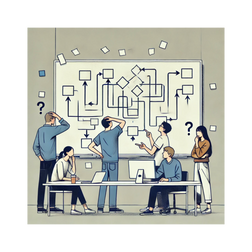
This episode addresses confusion surrounding Flow Metrics in Agile environments by emphasizing the importance of understanding Value Stream Management, Flow Items, and the Agile Work Hierarchy. It clarifies how to align Agile work items, such as initiatives or themes, epics, features, user stories, and tasks, with Flow Items, which represent units of value like features, defects, risks, and debts. The AI hosts discuss the common misunderstandings, such as incorrectly mapping Jira issue types or confusing releases with work items. Ultimately, the conversation advocates for a standardized understanding of the work hierarchy and Flow Items to effectively measure and improve value delivery. Link to the article: Avoiding Flow Metric Confusion: Aligning Agile Work Hierarchy to Flow Items, originally published February 17, 2025. Connect with me on LinkedIn

Decoding the Metrics Maze: How Platform Marketing Fuels Confusion Between SEI, VSM, and Metrics
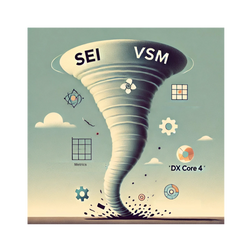
The episode is a follow-up to my August 2024 article and Podcast Episode 18 from Season 1: Navigating the Digital Product Workflow Metrics Landscape: From DORA to Comprehensive Value Stream Management Platform Solutions In this episode, the AI hosts share my perspective on the increasing confusion between Software Engineering Intelligence (SEI) and Value Stream Management (VSM) platforms caused by overlapping features and marketing messages. The discussion highlights the importance of choosing platforms based on an organization’s specific needs: SEI for addressing engineering bottlenecks and VSM for broader, cross-functional improvements. It addresses common misconceptions, introduces a new framework called The DX Core 4, and highlights the need to choose tools that fit an organization’s budget, current situation, challenges, goals, and visibility needs. Link to the article: Decoding the Metrics Maze: How Platform Marketing Fuels Confusion Between SEI, VSM, and Metrics, originally published February 15, 2025. Connect with me on LinkedIn

Beyond outcome-focused metrics: Connecting Work to Outcomes
In this episode, we delve into the article "Beyond Outcome-Focused Metrics: Connecting Work to Outcomes," which emphasizes the importance of aligning software development efforts with tangible business value. We discuss how adopting value stream thinking can transform software teams from perceived cost centers into strategic enablers. By focusing on customer value streams, organizations can enhance strategic alignment, foster continuous improvement, and ensure that every initiative contributes meaningfully to business goals. This approach not only clarifies the connection between work and value but also promotes a culture of collaboration and responsiveness to customer needs. Link to the article: Beyond outcome-focused metrics: Connecting Work to Outcomes, originally published February 04, 2025. Connect with me on LinkedIn

Managing Technical Debt: Interest Rates, Impact, and Continuous Payments
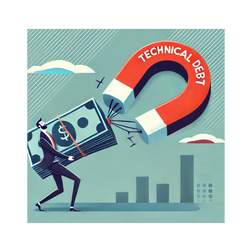
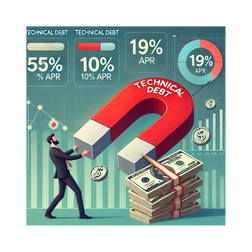
This episode picks up from the last episode, episode 27, Advocating for Refactoring: Prioritization in the Context of Business Goals We continue the conversion advocating for a proactive approach to managing technical debt, suggesting that teams treat it like a financial loan. I support making continuous "minimum payments" by regularly refactoring code, similar to making minimum payments on a loan, rather than waiting for large-scale cleanups. We also discuss prioritizing technical debt based on its "interest rate," or the cost of inaction, and its impact on business outcomes. The conversation based on my article emphasizes the importance of communicating the business value of addressing technical debt to stakeholders and integrating refactoring into the daily development process. Ultimately, the goal is to balance short-term business goals with long-term code maintainability. Link to the article: Managing Technical Debt: Interest Rates, Impact, and Continuous Payments, originally published February 02, 2025. Connect with me on LinkedIn
Advocating for Refactoring: Prioritization in the Context of Business Goals

In this episode, the AI hosts dive into my article, which makes the case for viewing refactoring in software development not as a routine technical chore, but as a strategic business investment. The discussion examines the common drivers behind the need for refactoring—tight deadlines, shifting requirements—and outlines practical strategies for embedding it into established frameworks like Value Stream Management (VSM) and the Product Operating Model (POM). A key focus is on quantifying the business value of refactoring, using metrics to demonstrate its importance alongside features, defect resolution, and risk mitigation. Ultimately, the article advocates for a cultural shift toward continuous, incremental refactoring as a cornerstone of sustainable software delivery. Link to the article: Advocating for Refactoring: Prioritization in the Context of Business Goals, originally published January 19, 2025. Connect with me on LinkedIn

Dependencies Are Here to Stay: From Challenges to Opportunities
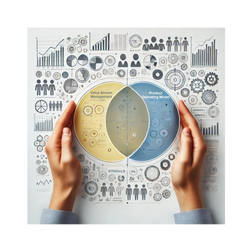
In today's episode, the AI hosts discuss my article, which expands on a recent piece by John Cutler about managing cross-team dependencies. It explores three common approaches to handling dependencies: minimizing them, institutionalizing them, and actively addressing them. I build upon Culter's concepts by introducing a prioritization framework that emphasizes prioritizing work based on anticipated outcomes and available capacity. I advocate for a dynamic approach to reprioritization as circumstances change and highlight the benefits of a proactive, outcome-focused strategy. The framework presented aims to reduce team burnout and improve alignment with organizational goals by encouraging transparency and collaboration. The episode suggests that, while inevitable, dependencies can be transformed from obstacles into opportunities for growth and innovation. Link to the article: Dependencies Are Here to Stay: From Challenges to Opportunities, originally published January 11, 2025. Connect with me on LinkedIn

Why Value Stream Management and the Product Operating Model Matter

In this episode, I share my journey of implementing Value Stream Management (VSM) and a Product Operating Model (POM) within my organization, highlighting the challenges, insights, and results along the way. It highlights the importance of not just implementing these frameworks, but also clearly articulating their value to foster alignment across teams and enhance operational efficiency. The AI hosts delve into the striking performance gap between organizations that effectively leverage these models and those that fall short, referencing key insights from the 2024 Project to Product State of the Industry Report. The episode emphasizes the importance of prioritizing outcomes over mere outputs and highlights the value of empowering cross-functional teams to take full ownership of the product lifecycle. It concludes by presenting my 2025 plan to deepen the integration of VSM and POM principles within the company, with a focus on enhancing communication and aligning team efforts with measurable business results. Link to the article: Why Value Stream Management and the Product Operating Model Matter, originally published January 05, 2025. Connect with me on LinkedIn

From Good to Great: Shifting to Outcomes in 2025
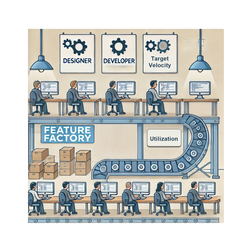
In today’s episode, the AI hosts discuss my vision for our team in 2025 as we move into the next phase of our 10-year transformation. Our aim is to address capacity pressures by shifting from an output-focused approach to an outcome-driven mindset. We’re also reinforcing our commitment to a product operating model and value stream management. The episode emphasizes how feedback and collaboration can improve team alignment, increase engagement, and amplify impact. Link to the article: From Good to Great: Shifting to Outcomes in 2025, originally published January 02, 2025. Connect with me on LinkedIn

Breaking Free from the Build Trap: Delivering Meaningful Outcomes

In this episode, the AI hosts discuss that engineering teams should prioritize meaningful outcomes over simply delivering outputs—a concept known as the "build trap." It advocates for a product operating model using Value Stream Management (VSM) and Objectives and Key Results (OKRs) to ensure every effort delivers measurable business value. The discussion emphasizes the importance of defining anticipated outcomes for epics, fostering accountability through clear ownership of key results, and "closing the loop" by measuring and sharing actual results. Ultimately, the conversation advocates for shifting away from a feature factory mindset toward a focus on value creation and organizational alignment. Link to the article: Breaking Free from the Build Trap: Delivering Meaningful Outcomes, originally published December 25, 2024. Connect with me on LinkedIn
5 de 8