P.I. Readings for Growth

P.I. Readings for Growth

por Faith Harmony

Boundaries That Build Better Relationships
IA
Podcast Show Notes Episode Title: How I Found My Sanctuary Episode Description What if healthy boundaries aren't walls that push people away, but the foundation for stronger, more authentic relationships? In this opening episode of Boundaries That Build Better Relationships, Faith Harmony shares the personal journey that transformed her understanding of boundaries. Discover why constantly saying "yes" can quietly disconnect us from our own values, why guilt often keeps us trapped in unhealthy patterns, and how viewing boundaries as an inner Sanctuary can completely change the way we care for ourselves and those we love. You'll learn why boundaries are acts of self-respect rather than selfishness, how protecting your emotional well-being allows you to show up more fully for others, and why lasting change begins with reconnecting to the person you were always meant to be. Whether you've struggled with people-pleasing, emotional exhaustion, or simply feel overwhelmed by the expectations of daily life, this episode offers a compassionate starting point for building healthier relationships—beginning with the one you have with yourself. In This Episode Why helping others should never require losing yourself The hidden emotional cost of always being available Understanding the difference between healthy boundaries and emotional walls Introducing the Sanctuary mindset for protecting your peace Why saying "no" can strengthen, not weaken, your relationships The connection between boundaries, self-respect, and inner peace A simple reflection to begin your own journey toward healthier boundaries Reflection Question If your inner life truly were a Sanctuary, what would you begin protecting today so you could live more fully in alignment with your values? Key Takeaway Healthy boundaries aren't about loving others less. They're about caring for yourself well enough that your kindness, compassion, and generosity can come from a place of fullness rather than exhaustion.

Recognizing Projection Episode Eleven
IA
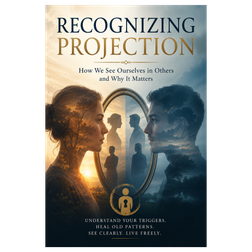
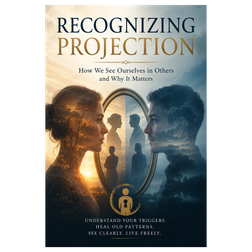
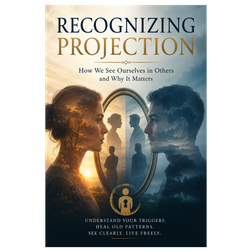
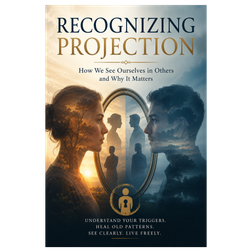
Episode Title: Chapter 11 – The Science of Emotional Intelligence Podcast Series: Recognizing Projection: How We See Ourselves in Others and Why It Matters Episode Summary Emotional intelligence is more than simply managing emotions—it is the ability to understand ourselves, recognize emotional patterns, navigate relationships effectively, and respond to life's challenges with greater awareness and intention. In this episode of PI Reading for Growth, we explore the science behind emotional intelligence and its powerful role in transforming emotional reactions into opportunities for understanding and growth. Throughout the discussion, we examine how emotional intelligence helps us recognize psychological projection, identify emotional triggers, develop empathy, strengthen communication, and cultivate healthier relationships. By increasing self-awareness and learning to regulate emotional responses, we gain the ability to move beyond automatic reactions and engage with ourselves and others more thoughtfully. This episode provides practical insights into how emotional intelligence influences our daily lives, relationships, personal development, and emotional well-being. Whether you are seeking stronger connections, improved self-awareness, or greater resilience, emotional intelligence serves as a foundational skill for lasting growth. Key Topics Covered • Understanding the core principles of emotional intelligence • The relationship between self-awareness and emotional growth • How psychological projection influences perception and relationships • Recognizing emotional triggers and their underlying causes • The difference between reacting and responding • Emotional regulation versus emotional suppression • The role of empathy in building healthy relationships • Improving communication through emotional awareness • Understanding how childhood experiences shape emotional responses • Accountability and personal responsibility in emotional growth • Developing resilience during emotionally challenging situations • Creating authentic connections through self-understanding and compassion What You'll Learn • How emotions influence perception and decision-making • Why strong emotional reactions often reveal deeper internal experiences • How to identify patterns in your emotional responses • Practical ways to strengthen emotional intelligence in daily life • Strategies for improving communication and reducing conflict • How empathy fosters deeper understanding and connection • Techniques for responding thoughtfully rather than reacting impulsively Reflection Questions • What emotional triggers appear most frequently in your life? • How do your emotional reactions influence your relationships? • Are there recurring patterns that suggest unresolved beliefs or experiences? • How often do you pause and reflect before responding to emotional situations? • What role does empathy play in your interactions with others? • How might greater emotional intelligence improve your personal and professional relationships? Key Takeaway Emotional intelligence is the bridge between self-awareness and meaningful action. By understanding our emotions, recognizing our triggers, cultivating empathy, and responding intentionally, we create healthier relationships, greater emotional resilience, and deeper personal growth. Thank You for Listening

Recognizing Projection Final Episode

IA
Episode Title: Chapter 13 – Becoming a Source of Emotional Wisdom Podcast Series: Recognizing Projection: How We See Ourselves in Others and Why It Matters Episode Overview In this final chapter of Recognizing Projection: How We See Ourselves in Others and Why It Matters, we bring together the lessons from the entire journey and explore how emotional awareness evolves into emotional wisdom. After learning to recognize emotional triggers, understand projection, develop mindfulness, strengthen emotional intelligence, and move from reaction to response, the focus now expands beyond personal growth and into our influence on others. This episode explores how emotionally aware individuals can become stabilizing, positive influences within their relationships, families, workplaces, and communities. Rather than attempting to control or change others, emotional wisdom invites us to lead through example, create emotionally safe environments, practice healthy boundaries, and support others with compassion and understanding. Listeners will also discover why emotional growth is a lifelong practice and how continued self-reflection, humility, and openness to learning create lasting ripple effects that extend far beyond ourselves. What You'll Learn • How emotional awareness evolves into emotional wisdom • The difference between personal growth and positive influence • Leading through emotional awareness and personal example • The impact emotional maturity has on relationships and communities • Creating emotionally safe environments for others • Understanding the limits of personal influence • Supporting others without taking responsibility for their growth • Practicing compassion without control • The importance of healthy emotional boundaries • Encouraging growth through presence, empathy, and understanding • Remaining open to lifelong learning and self-discovery • Celebrating progress while embracing imperfection • Moving forward with confidence, wisdom, and hope Key Insights from This Episode • Emotional wisdom is demonstrated through how we live, not simply what we know. • Personal growth naturally influences the people around us. • Healthy leadership begins with self-awareness and emotional maturity. • Compassion does not require taking responsibility for another person's journey. • Presence and understanding are often more powerful than advice. • Growth is a lifelong process rather than a destination. • Authenticity, humility, and self-awareness create meaningful influence. Practice: • Listening more deeply during conversations • Responding thoughtfully rather than reacting automatically • Offering support without attempting to control outcomes • Respecting the unique journey of others • Reflecting daily on how your emotional awareness influences those around you Key Takeaway Emotional wisdom is the natural result of consistent self-awareness, reflection, and intentional growth. As we learn to understand ourselves more deeply, we become better equipped to support others, strengthen relationships, and contribute positively to the environments we inhabit. The journey of emotional growth does not end with understanding—it continues through how we live, lead, connect, and serve others each day. Series Reflection Recognizing Projection: How We See Ourselves in Others and Why It Matters has explored the many ways our internal world shapes our relationships and emotional experiences. From identifying triggers and understanding projection to developing mindfulness, emotional intelligence, resilience, and intentional responses, each chapter has offered tools for deeper self-awareness and personal growth. Thank You for Listening

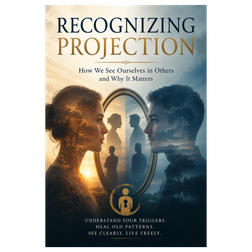
Recognizing Projection Episode Twelve
IA
Episode Title: Chapter 12 – From Reaction to Response Podcast Series: Recognizing Projection: How We See Ourselves in Others and Why It Matters Episode Overview In this episode of PI Reading for Growth, we move beyond understanding emotional triggers and focus on applying emotional awareness in everyday life. Throughout this series, we have explored psychological projection, emotional intelligence, mindfulness, self-awareness, empathy, childhood influences, cultural conditioning, and emotional resilience. Now, we bring those lessons together into a practical framework for lasting change. This episode focuses on the transition from automatic reactions to intentional responses. Listeners will learn how to create space between emotional triggers and behavior, interrupt unconscious patterns, strengthen emotional resilience, and develop habits that support continued personal growth. Rather than viewing emotional awareness as a concept to understand, this episode demonstrates how it can become a daily practice that transforms relationships, decision-making, and overall well-being. What You'll Learn • The difference between reacting and responding • Why awareness is the foundation of emotional growth • How mindfulness helps create space between stimulus and response • Using self-awareness to identify and interrupt emotional patterns • The role of emotional intelligence in daily interactions • How emotional resilience develops through repeated practice • Learning from setbacks without self-criticism or shame • Strengthening emotional flexibility during challenging situations • Reframing obstacles as opportunities for growth • Creating intentional emotional habits that support long-term development • The importance of healthy emotional boundaries • Developing a practical personal emotional growth plan Key Insights from This Episode • Insight creates possibility, but practice creates transformation. • Emotional growth occurs through consistent awareness, not perfection. • Every emotional trigger presents an opportunity for learning. • Resilience is not the absence of emotion but the ability to navigate emotions effectively. • Self-compassion supports growth more effectively than self-judgment. • Small daily practices create meaningful long-term change. • Emotional intelligence becomes stronger through repeated application in real-life situations. Practical Application Throughout the next week, practice creating a pause whenever you notice a strong emotional reaction. During that pause, ask yourself: • What am I feeling right now? • What triggered this response? • What belief or expectation may be influencing my reaction? • Am I reacting from habit or responding with awareness? • What response aligns with my values and long-term growth? In addition, consider creating a simple daily reflection practice by spending five minutes each evening reviewing the emotional lessons from your day. Key Takeaway Moving from reaction to response is one of the most powerful shifts a person can make. By integrating self-awareness, mindfulness, emotional intelligence, and intentional practice into daily life, emotional growth becomes more than an idea—it becomes a way of living. Each moment of awareness creates an opportunity to choose growth, strengthen resilience, and build healthier relationships. Thank You for Listening

Recognizing Projection Episode Ten

IA
Episode Title: Chapter 10 – Mindfulness as a Pathway to Understanding Podcast Series: Recognizing Projection: How We See Ourselves in Others and Why It Matters Episode Overview Mindfulness is often associated with relaxation and meditation, but its true power lies in awareness. In this episode of PI Reading for Growth, we explore how mindful awareness helps us better understand our emotional reactions, uncover unconscious patterns, and transform automatic responses into opportunities for personal growth. Many of our strongest emotional triggers are influenced by unresolved experiences, insecurities, beliefs, and psychological projections operating beneath conscious awareness. By learning to observe our thoughts and emotions without immediate judgment, we gain the ability to respond intentionally rather than react impulsively. This episode examines the connection between mindfulness, emotional intelligence, empathy, self-awareness, and personal transformation. Listeners will learn practical strategies for recognizing emotional triggers, understanding the role of projection, and using mindfulness to create healthier relationships and greater emotional freedom. What You'll Learn • What mindfulness truly is and why it extends beyond relaxation techniques • How mindful awareness helps uncover unconscious emotional patterns • The relationship between mindfulness and psychological projection • Why emotional triggers often reveal deeper internal struggles • How mindfulness creates space between stimulus and response • The importance of self-awareness in emotional intelligence • How empathy grows through mindful observation of ourselves and others • The influence of childhood experiences and past conditioning on present reactions • Practical ways to observe thoughts and emotions without judgment • How mindfulness helps reduce emotional reactivity and improve relationships • Techniques for transforming reactions into opportunities for insight and growth Key Insights from This Episode • Awareness is the foundation of personal transformation. • Emotional reactions often contain valuable information about unresolved beliefs and experiences. • Mindfulness helps distinguish between objective reality and personal interpretation. • Projection becomes easier to recognize when we observe our internal experiences honestly. • Every emotional trigger presents an opportunity for deeper self-understanding. • Growth begins when we move from automatic reaction to intentional response. Reflection Questions • What situations tend to trigger your strongest emotional reactions? • What thoughts or beliefs typically accompany those reactions? • How often do you pause to observe your emotions before responding? • Are there recurring patterns in your emotional experiences that deserve further exploration? • How might mindfulness help you create greater understanding in your relationships? Practical Application This week, practice creating a brief pause whenever you notice a strong emotional reaction. Before responding, ask yourself: • What am I feeling right now? • What triggered this emotion? • What assumptions am I making? • Is this reaction based on the present moment or influenced by a past experience? • What can this situation teach me about myself? Even a few moments of mindful reflection can transform a reaction into an opportunity for growth. Key Takeaway Mindfulness is not about suppressing emotions or avoiding discomfort. It is about developing the awareness necessary to understand yourself more deeply. By observing your thoughts, emotions, and reactions with curiosity and compassion, you create the conditions for greater emotional intelligence, healthier relationships, and lasting personal growth.

Recognizing Projection Episode Nine

IA
Episode Title: Chapter 9 – Personal Insecurities and Their Emotional Triggers Episode Summary Why do certain people, situations, or comments affect us more deeply than others? In this episode of PI Reading for Growth, we explore the powerful connection between personal insecurities and emotional reactions. Many of the emotions we experience in our daily interactions are not solely caused by external events but are often influenced by unresolved fears, limiting beliefs, and past experiences that continue to shape our perceptions. Together, we examine how insecurities develop, how psychological projection can distort our understanding of others, and why emotional triggers can serve as valuable opportunities for self-discovery rather than obstacles to avoid. By learning to identify the roots of our reactions, we can begin transforming emotional discomfort into meaningful personal growth. This episode also explores the influence of childhood experiences, social conditioning, self-awareness, empathy, mindfulness, and reflective practices on how we better understand ourselves and strengthen our relationships. Rather than viewing insecurities as weaknesses, listeners are encouraged to see them as invitations to deeper understanding, healing, and emotional freedom. Key Topics Covered • Understanding personal insecurities and their impact on emotional reactions • How emotional triggers reveal unresolved internal struggles • The role of psychological projection in relationships and communication • Childhood experiences and their influence on adult emotional responses • The connection between self-worth, fear, and emotional sensitivity • Recognizing the difference between present reality and past emotional wounds • How social conditioning contributes to feelings of inadequacy and self-doubt • The importance of empathy in understanding ourselves and others • Mindfulness techniques for managing emotional reactions • Using journaling and reflection to increase self-awareness • Reframing insecurities as opportunities for growth and self-discovery • Developing emotional intelligence through curiosity and self-compassion Reflection Questions • What situations tend to trigger the strongest emotional reactions in your life? • What fears or insecurities might be connected to those reactions? • Are there recurring emotional patterns that point toward unresolved experiences? • How might greater self-awareness change the way you respond to emotional triggers? • What would it look like to approach your insecurities with curiosity instead of judgment? Key Takeaway Your emotional triggers are often more than reactions to external events. They can serve as valuable indicators of deeper beliefs, fears, and insecurities that deserve attention and understanding. By learning to recognize and explore these patterns, you can transform moments of emotional discomfort into opportunities for healing, growth, and greater emotional freedom. Thank You for Listening Thank you for joining us for another episode of PI Reading for Growth. If you found value in today's discussion, please consider following, sharing, and leaving a review to help others discover the podcast. Until next time, continue learning, continue growing, and continue becoming positively improved. Namaste.

Recognizing Projection Episode Eight

IA
Episode 8: Managing Emotional Reactions in Professional Settings Why do certain coworkers, supervisors, or workplace situations trigger strong emotional reactions? In this episode of PI Reading for Growth, we explore how emotional triggers, psychological projection, social conditioning, and unresolved beliefs influence our experiences in professional environments. Workplaces often act as mirrors, revealing hidden insecurities, fears, expectations, and emotional patterns that may have originated long before our careers began. Through greater self-awareness, empathy, mindfulness, and emotional responsibility, we can learn to navigate workplace challenges with greater clarity and emotional intelligence. In this episode, you'll discover: How workplace interactions reveal deeper emotional patterns The role of psychological projection in professional relationships Why do certain coworkers or managers trigger strong emotional reactions How childhood experiences influence workplace behavior The impact of social conditioning on success, competition, and self-worth Practical strategies for emotional regulation during stressful situations The difference between reacting emotionally and responding intentionally How mindfulness can improve workplace communication and decision-making The importance of empathy in building healthier professional relationships Ways to develop emotional resilience and personal accountability Whether you are navigating workplace conflict, leadership challenges, performance pressures, or difficult personalities, this episode offers practical insights to help transform emotional reactions into opportunities for growth, understanding, and professional development.

Recognizing Projection Episode Seven

IA
In this episode, we delve into how culture, upbringing, and social conditioning shape our emotional perceptions and responses. Join us as we explore the intricate connection between cultural influences and our understanding of emotions. Key Topics: 1. Cultural Influences on Emotional Interpretation: - How different cultures perceive and express emotions. - The impact of upbringing and social conditioning on emotional responses. 2. Psychological Projection: - Understanding psychological projection and how it shapes interactions. - Recognizing personal triggers and their roots in cultural beliefs. 3. Empathy and Mindfulness: - The role of empathy in bridging cultural differences. - Practicing mindfulness to become aware of emotional responses. 4. Self-Awareness: - Developing self-awareness as a tool for understanding emotional triggers. - The importance of examining unexamined assumptions. 5. Misunderstandings and Assumptions: - Why cultural disparities lead to misunderstandings in communication. - The effects of unchallenged assumptions on relationships. 6. Transforming Emotional Reactions: - Practical strategies for transforming emotional reactions into personal growth opportunities. - Tools for enhancing emotional intelligence. 7. Building Authentic Connections: - How deeper self-awareness leads to more authentic connections with others. - Creating greater freedom from unconscious emotional patterns. Takeaways: - Gain insights into how cultural backgrounds influence emotional experiences. - Learn methods to cultivate emotional intelligence and strengthen personal relationships. - Explore pathways for personal growth through better emotional awareness and cultural understanding. Who Should Listen: This episode is ideal for anyone interested in enhancing their emotional intelligence, seeking deeper self-awareness, and fostering authentic connections with others.

Recognizing Projection Episode 6

IA
How can mindful observation and journaling help you better understand your emotional triggers? In this episode of PI Reading for Growth, we explore practical techniques for developing self-awareness, recognizing psychological projection, understanding emotional reactions, and transforming daily experiences into opportunities for personal growth. Learn how mindfulness, reflection, and journaling can strengthen emotional intelligence, improve relationships, and help you move from automatic reactions to intentional understanding.

Recognizing Projection Episode 5

IA
How does social conditioning shape your emotional reactions, beliefs, and relationships? In this episode of PI Reading for Growth, we explore the powerful influence of societal expectations, cultural norms, childhood conditioning, and psychological projection on emotional responses. Learn how self-awareness, empathy, and mindfulness can help you challenge inherited beliefs, overcome emotional triggers, and create a more authentic, intentional, and fulfilling life.
9 de 13