P.I. Readings for Growth
por Faith Harmony
Episode Eleven - The Energy Budget
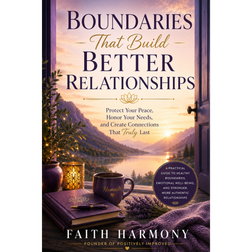
Managing your time is important, but managing your energy is essential. In this episode, we explore The Energy Budget, a practical framework for understanding where your emotional, mental, and physical energy is being invested each week. While time can be measured by the clock, energy is far more personal—and often the true reason we feel overwhelmed, even when our schedules appear manageable. Through Priya's journey, we discover how tracking emotional energy reveals hidden patterns of depletion, from workplace expectations and emotional labor to family obligations and everyday responsibilities. By learning to intentionally allocate your energy, reduce unnecessary drains, and reframe unavoidable commitments, you can create a more sustainable rhythm that supports both your responsibilities and your well-being. The Energy Budget reminds us that boundaries are not simply about protecting our calendars—they are about protecting the inner resources that make meaningful work, healthy relationships, creativity, and personal growth possible. In This Episode Why time management alone cannot prevent burnout. Understanding emotional energy as a limited and valuable resource. How to create a practical weekly Energy Budget. Identifying hidden sources of emotional depletion and energy leaks. The often-overlooked impact of emotional labor. Two practical strategies for protecting your energy: Reduce and Reframe. Why intentional energy allocation leads to greater presence, resilience, and fulfillment. Treating your energy as the foundation for living with purpose. Key Takeaways Energy, not just time, determines your ability to thrive. Every responsibility creates either an energy withdrawal or an opportunity for meaningful investment. Emotional labor deserves recognition and healthy boundaries. Awareness allows you to identify where your energy is being spent without intention. Reducing unnecessary commitments and reframing unavoidable ones helps preserve emotional well-being. Healthy boundaries protect your capacity to love, serve, create, and grow. Sustainable living begins by treating your energy as one of your most valuable resources. Reflection Questions Where does most of my emotional energy go during a typical week? Which activities consistently replenish me, and which leave me feeling depleted? What hidden sources of emotional labor have I never acknowledged? Where could I reduce unnecessary energy drains without abandoning my responsibilities? Which unavoidable responsibilities could I reframe by reconnecting them to my deeper values? If my emotional energy were a financial budget, would I be satisfied with how I am investing it? Thank you for listening to PI Reading for Growth. If this episode helped you think differently about protecting your emotional well-being, consider sharing it with someone who may be feeling overwhelmed by the invisible demands of everyday life. Together, we can learn that lasting resilience begins not by doing more, but by investing our energy wisely in the people, purposes, and experiences that matter most. Namaste.
Episode Ten - Building Your Boundary System
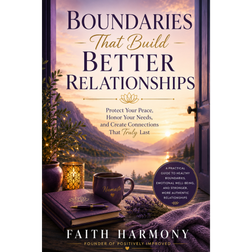
Healthy boundaries don't happen by accident—they are built through awareness, intentional choices, and consistent practice. In this episode, we move from understanding the principles of healthy boundaries into practical application by introducing two foundational tools: The Boundary Audit and The Art of the Clear "No." Through Priya's story, we explore how easy it is to become overwhelmed by commitments that slowly accumulate over time, often without conscious choice. By conducting a simple Boundary Audit, you can begin identifying where your time and emotional energy are being invested, which commitments truly align with your values, and where healthy boundaries can create the greatest positive impact. We also examine why saying no can feel so uncomfortable and how preparing clear, respectful responses allows you to communicate your limits with confidence and kindness. Rather than viewing "no" as rejection, this episode reframes it as an act of honesty that protects your energy while making your "yes" more meaningful. In This Episode Why every healthy boundary begins with greater self-awareness. How to complete a practical Boundary Audit. Identifying commitments that consume energy without supporting your values. Understanding the difference between meaningful sacrifice and unnecessary obligation. Why small boundary changes often create the greatest long-term relief. The characteristics of a clear, respectful, and confident "no." Practical scripts for workplace, social, and family boundary conversations. Why practicing boundaries in everyday situations builds confidence for more difficult conversations. Key Takeaways You cannot change what you have not first identified with honesty. The Boundary Audit provides clarity without judgment. Not every demanding responsibility should be removed—focus on alignment, not avoidance. Clear communication is kinder than vague or misleading responses. Healthy boundaries rely on honesty, not lengthy explanations or apologies. Every respectful "no" creates space for more intentional and meaningful "yes" responses. Strong boundaries are built gradually through consistent practice rather than dramatic change. Reflection Questions Which commitments in my life truly reflect my values, and which exist only from habit or obligation? Where am I spending emotional energy on responsibilities I never consciously chose? What is one high-cost, low-alignment commitment I could begin addressing this week? How often do I over-explain my decisions instead of communicating them with simple honesty? Where could one respectful "no" create more space for the people, priorities, and purpose that matter most? Thank you for listening to PI Reading for Growth. If this episode helped you identify areas where stronger boundaries could improve your well-being, consider sharing it with someone who may also be feeling overwhelmed by the weight of overcommitment. Together, we can learn that healthy boundaries are not barriers to meaningful relationships—they are the foundation that allows those relationships to flourish with honesty, respect, and intention. Namaste.
Episode Nine - The Resilience Ripple Effect
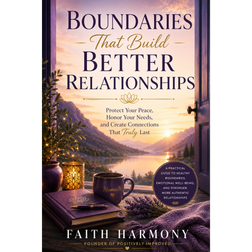
Resilience is often mistaken for the ability to endure more, push harder, or carry increasingly heavier burdens. In this episode, we explore a different perspective: true resilience grows not by constantly giving more of yourself, but by protecting the energy you already have. Through the Sanctuary Principle, we introduce the Resilience Ripple Effect, the gradual, compounding benefit that occurs when healthy boundaries stop the constant drain on your emotional reserves. As your inner Sanctuary becomes stronger, you develop greater emotional capacity, respond more calmly to life's challenges, deepen your relationships through genuine presence, and discover that generosity flows most naturally from a place of abundance rather than exhaustion. Following David's continuing journey, we see how consistent boundary-setting transformed not only his ability to manage unexpected challenges at work but also the quality of his relationships, his emotional regulation, and his overall sense of well-being. This episode reminds us that resilience is not about surviving life on empty—it is about living from a place of sustainable strength. In This Episode Why resilience is built by preserving energy rather than enduring more stress. Understanding the Resilience Ripple Effect and its long-term impact. How healthy boundaries protect your emotional reserves. David's experience of discovering an emotional "buffer" during an unexpected workplace challenge. Why presence in relationships depends on emotional capacity, not simply available time. Building a stronger emotional "immune system" through consistent self-care and boundaries. How living from emotional abundance allows compassion and generosity to emerge naturally. Why setbacks are part of maintaining healthy boundaries—not signs of failure. Key Takeaways Healthy boundaries conserve your emotional energy and strengthen long-term resilience. Resilience is not about carrying more, it is about preventing unnecessary emotional depletion. Emotional reserves allow you to respond thoughtfully instead of reacting impulsively. Genuine presence with loved ones comes from protecting your inner capacity. Kindness and generosity flow most naturally when you are living from overflow rather than deficit. Every healthy boundary contributes to a stronger, more sustainable inner Sanctuary. Reflection Questions Where are the "breaches" in my emotional reservoir allowing unnecessary energy to leak away? Am I measuring resilience by how much I endure or by how well I care for my emotional well-being? Which boundary could help restore more balance and energy in my daily life? How might protecting my own emotional reserves improve my closest relationships? What would it feel like to approach life from a place of emotional abundance instead of chronic exhaustion? Thank you for listening to PI Reading for Growth. If this episode encouraged you, consider sharing it with someone who may be feeling emotionally drained or overwhelmed. Together, we can learn that resilience is not built through endless sacrifice, but through the consistent practice of honoring our boundaries, protecting our inner Sanctuary, and living with greater clarity, compassion, and courage. Namaste.
Episode Eight - The Ownership Shift
Healthy boundaries are often misunderstood as attempts to change or control other people's behavior. In reality, boundaries are an expression of personal responsibility. In this episode, we explore The Ownership Shift—the transition from trying to manage the actions and emotions of others to taking ownership of our own choices, values, and emotional well-being. Through David's continuing journey, we examine why resentment often grows when we give away our time and energy without consciously choosing to do so, and how reclaiming our personal agency creates healthier relationships built on mutual respect rather than emotional obligation. You'll discover why emotional maturity requires allowing others to experience their own emotions without feeling responsible for fixing them, how simple language shifts can transform your mindset from victimhood to empowerment, and why true peace begins when you stop waiting for other people to change before honoring your own boundaries. In This Episode Understanding the difference between controlling others and leading yourself. The Ownership Shift and why healthy boundaries begin with personal responsibility. Why resentment is often a signal that you've abandoned your own choices. Learning to separate your responsibilities from someone else's emotional reactions. Developing emotional regulation instead of relying on external validation. The power of replacing "I have to" with "I'm choosing to." How respecting other people's boundaries strengthens trust and equality in relationships. Building an inner sanctuary through integrity, clarity, and courageous self-leadership. Key Takeaways Boundaries are about managing your behavior, not controlling someone else's. You are responsible for communicating your limits with honesty and respect—not for managing another person's reaction. Resentment often reveals where you have surrendered your power to choose. Emotional adulthood includes learning to tolerate discomfort without abandoning your values. Healthy relationships thrive when both people take ownership of their own emotional well-being. Every intentional "yes" and every respectful "no" strengthens your personal integrity. Reflection Questions Where am I waiting for someone else to change before I allow myself to experience peace? What responsibility am I carrying that actually belongs to someone else? Where has resentment been trying to show me that a boundary needs attention? Which commitments in my life are genuine choices, and which deserve honest renegotiation? How would my relationships change if I trusted others to manage their own emotions while I managed my own? Thank you for listening to PI Reading for Growth. If this episode encouraged you, consider sharing it with someone who is learning to build healthier boundaries and stronger relationships. Together, we can create lives grounded in clarity, compassion, courage, and the confidence that comes from taking ownership of the things that truly belong to us. Namaste.
Episode Seven - The Three Pillars of Healthy Boundaries
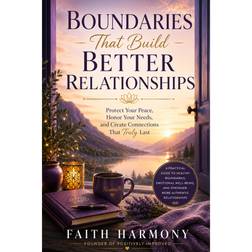
Episode Description Healthy boundaries are about more than simply learning to say "no." They are built upon three essential qualities that help us protect our emotional well-being while strengthening our relationships. In this episode of PI Reading for Growth, Faith Harmony introduces The Three Pillars of Healthy Boundaries: Clarity, Compassion, and Courage. Together, these pillars provide a practical framework for creating boundaries that are both strong and kind. You'll learn why clarity helps you identify what truly deserves your time and energy, how compassion allows you to communicate boundaries without sacrificing connection, and why courage is the bridge between knowing what to do and actually doing it. Through David's continuing journey, this episode demonstrates how small, intentional choices can lead to greater peace, healthier relationships, and a renewed connection with yourself. Whether you're learning to protect your energy, reduce feelings of guilt, or communicate your needs more confidently, this episode offers practical wisdom that can be applied in everyday life. In This Episode Why healthy boundaries rest on three essential pillars. Understanding the role of Clarity in identifying your values and priorities. How Compassion allows you to honor both your needs and the feelings of others. Why Courage is necessary to consistently follow through on healthy decisions. David's journey toward creating stronger boundaries through intentional choices. A simple three-question framework for boundary-setting in everyday situations. How healthy boundaries improve your relationship with yourself as well as others. Key Takeaways Healthy boundaries begin with knowing what truly matters to you. Compassion allows boundaries to preserve relationships rather than damage them. Courage is often found in quiet, everyday decisions rather than dramatic moments. Boundaries become easier through consistent practice. Protecting your well-being allows you to show up more fully for the people you love. Small, intentional choices create lasting personal transformation. This Week's Practice Before responding to a request, pause and ask yourself three questions: What do I truly need right now? (Clarity) How can I communicate this respectfully? (Compassion) Am I willing to honor this decision even if it feels uncomfortable? (Courage) Notice how this simple practice helps you respond with greater intention rather than reacting out of habit. Memorable Quote "Healthy boundaries aren't measured by how often you say no. They're measured by how consistently your choices reflect your deepest values." Thank you for listening to PI Reading for Growth. If this episode encouraged you, consider subscribing, sharing it with someone who may benefit, and joining the Positively Improved community as we continue learning, growing, and becoming the healthiest versions of ourselves. Continue learning. Continue growing. Continue reflecting. Continue becoming Positively Improved. Namaste.
Episode Six - Redefining Boundaries as Inner Protection
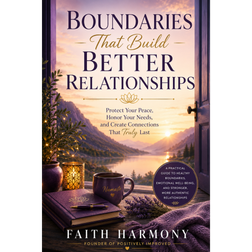
Episode Description What if healthy boundaries weren't about keeping people out, but about protecting what matters most within you? In this episode of PI Reading for Growth, Faith Harmony explores the powerful concept of the Sanctuary Principle—an inner space where your values, peace, purpose, and emotional well-being are protected. Rather than viewing boundaries as walls built from fear, you'll discover how they can become doors that open and close with intention, allowing you to show up more authentically in every area of your life. Through the relatable story of David, a devoted teacher who slowly lost sight of his own needs while caring for everyone else's, this chapter reveals how many of us unintentionally bury our own sanctuary beneath obligation, guilt, and constant availability. You'll learn why protecting your energy isn't selfish, how emotional boundaries create healthier relationships, and why true strength often looks like quiet presence rather than endless sacrifice. Whether you're feeling emotionally exhausted, struggling to say no, or simply longing for greater peace, this episode offers practical wisdom to help you reconnect with the part of yourself that has always deserved your care. In This Episode Understanding the true meaning of an inner sanctuary. The difference between emotional walls and healthy boundaries. Why boundaries are designed to protect—not isolate. Recognizing how constant availability can lead to emotional depletion. Discovering what happens when you begin protecting your own peace. Learning how to carry your sanctuary into everyday situations. Why emotional safety creates healthier, more authentic relationships. The connection between boundaries, presence, and emotional resilience. Key Takeaways Your sanctuary is an internal state, not a physical location. Healthy boundaries protect your values, energy, and emotional well-being. Boundaries are doors that open and close with intention—not walls built from fear. Protecting yourself allows you to become more fully present for others. Peace grows when your decisions reflect your values instead of automatic habits. The strongest boundaries are often quiet, consistent, and grounded in self-respect. Memorable Quote "Boundaries are never about building walls between yourself and the world. They are about protecting what is sacred within you, so that when you open the door, you can greet the world with your whole, authentic self." Continue Your Journey If today's episode resonated with you, consider subscribing so you never miss a future chapter of PI Reading for Growth. If you know someone who constantly gives to others while forgetting to care for themselves, share this episode with them. Sometimes the greatest gift we can offer is the reminder that protecting our own well-being allows us to love others more fully. We'd also love to hear from you. What does your personal sanctuary look like, and what boundary has helped you protect it? Join the conversation by leaving a comment or connecting with the Positively Improved community. Thank you for listening to PI Reading for Growth. Continue learning. Continue growing. Continue reflecting. Continue becoming Positively Improved. Namaste.
Episode Five: The Relationship Paradox
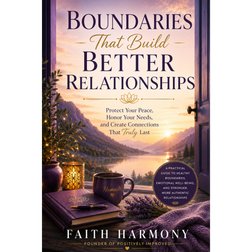
Delve into "The Relationship Paradox," an insightful exploration of the deep human longing for meaningful relationships and the unintended consequences of self-sacrifice. This examination reveals how our innate desire for connection can lead us to prioritize others' needs over our own, often creating emotional exhaustion instead of genuine intimacy. Through the story of Jenna, a woman who is acclaimed for her generosity and dependability, the text highlights her struggle with feelings of anxiety and resentment beneath a facade of selflessness. Jenna's experiences serve as a powerful case study of how ingrained beliefs, such as equating love with accommodation and prioritizing others at the expense of self, can distort our emotional well-being and relationships. As the narrative unfolds, readers will discover that true healthy relationships require balance, with both individuals being fully present and recognized. This thought-provoking piece challenges the common assumptions about generosity, conflict avoidance, and personal sacrifice, encouraging readers to question whether these behaviors truly foster closeness, trust, and connection. By understanding the relationship paradox, we can begin to cultivate relationships that honor both our needs and the needs of others, ultimately enriching the quality of our connections and our emotional health.
Episode Four: Forgetting Yourself
Podcast Show Notes Episode Title: Forgetting Yourself Episode Description Have you ever paused long enough to ask yourself a simple question: Who am I when no one needs anything from me? In this heartfelt episode of PI Reading for Growth, Faith Harmony explores one of the hidden consequences of living without healthy boundaries—slowly losing touch with the person you are beneath your responsibilities. Through meaningful stories, thoughtful reflection, and practical wisdom, you'll discover how years of putting everyone else's needs first can quietly silence your own passions, values, and dreams. More importantly, you'll learn that you haven't lost yourself—you've simply lost touch with yourself. This episode is an invitation to reconnect with your inner Sanctuary, rediscover what brings you joy, and remember that caring for yourself is not a distraction from your purpose—it's an essential part of living it. In This Episode Why many people unknowingly lose touch with themselves over time The difference between your roles and your true identity How constantly meeting others' expectations can quietly silence your own voice Why healthy boundaries protect more than your time—they protect your identity The importance of reconnecting with forgotten passions and interests How small moments of self-care can lead to profound personal transformation Why personal growth is often about remembering who you are, not becoming someone new How your inner Sanctuary helps you stay connected to your values and purpose Reflection Question When do you feel most like yourself? Take a few quiet moments to reflect on what brings you peace, joy, curiosity, or a sense of purpose. Then ask yourself: What is one small step I can take this week to reconnect with that part of myself? Key Takeaway You haven't lost yourself. You've simply spent so much time caring for everyone else that you've lost touch with the quiet voice inside your Sanctuary. Healthy boundaries aren't just about protecting your schedule—they're about protecting your relationship with yourself so you can live with greater authenticity, purpose, and peace. Thank you for listening to PI Reading for Growth. If today's episode encouraged you, consider following the podcast and sharing it with someone who may be quietly wondering where the person they used to be has gone. Together, we can help one another reconnect with the values, passions, and purpose that make life meaningful. Until next time, continue protecting your Sanctuary, continue living with intention, and continue becoming Positively Improved. Namaste.
Episode Three: The Guilt Loop
Podcast Show Notes Episode Title: The Guilt Loop Episode Description Have you ever said "yes" when every part of you wanted to say "no"? If so, you're not alone. In this episode of PI Reading for Growth, Faith Harmony explores one of the most powerful obstacles to healthy boundaries—the guilt loop. Discover why guilt often appears before you've even made a decision, how it quietly influences your choices, and why learning to recognize it is an essential step toward building healthier relationships. Through relatable stories, practical insights, and thoughtful reflection, you'll learn the difference between healthy guilt and conditioned guilt, why people-pleasing can become an automatic habit, and how to begin making decisions that reflect your values instead of your fears. This episode is an invitation to stop seeing guilt as a command that must be obeyed and start recognizing it as an emotion that can be acknowledged without allowing it to control your life. In This Episode Why guilt often appears before you even make a decision Understanding the difference between healthy guilt and conditioned guilt How childhood experiences and people-pleasing shape our relationship with boundaries Why feelings aren't always reliable indicators of what's right The hidden cost of constantly seeking approval How guilt quietly reinforces unhealthy patterns over time Practical ways to pause, reflect, and respond rather than react Why protecting your inner Sanctuary leads to healthier relationships and greater peace Reflection Question The next time guilt appears, instead of asking, "How do I make this feeling go away?" ask yourself: "What decision best reflects the person I'm becoming?" Key Takeaway Guilt is an emotion, not a command. Healthy boundaries don't require the absence of guilt; they require the courage to let your values guide your decisions instead of your fears. Thank you for listening to PI Reading for Growth. If today's episode encouraged you, consider following the podcast and sharing it with someone who may be struggling to balance compassion for others with compassion for themselves. Every conversation we share helps build healthier relationships, one thoughtful choice at a time. Until next time, continue protecting your Sanctuary, continue growing with intention, and continue becoming Positively Improved. Namaste.
The Hidden Cost of Fading Boundaries
Podcast Show Notes Episode Title: The Hidden Cost of Fading Boundaries Episode Description Why do so many caring, compassionate people end each day feeling emotionally exhausted—even when they're doing everything "right"? In this episode of PI Reading for Growth, Faith Harmony explores the hidden cost of living without healthy boundaries and why chronic exhaustion isn't a sign of weakness but a signal that something important needs your attention. Through relatable stories, practical insights, and thoughtful reflection, you'll discover how over-giving can quietly drain your emotional energy, disconnect you from your values, and leave you feeling overwhelmed despite your best intentions. You'll also be introduced to a healthier perspective on boundaries—one that protects your inner Sanctuary while allowing your kindness and compassion to remain sustainable. If you've ever struggled with people-pleasing, constant busyness, or the feeling that there's never enough of you to go around, this conversation will help you understand why—and offer hope that a different way of living is possible. In This Episode Why emotional exhaustion develops gradually rather than all at once The hidden difference between being busy and being emotionally depleted How over-giving slowly erodes your peace, purpose, and well-being Why saying "yes" to everything often means saying "no" to yourself Understanding the three reservoirs of energy: physical vitality, emotional bandwidth, and sense of purpose How protecting your inner Sanctuary allows you to give from fullness instead of exhaustion The difference between productivity and healthy boundaries Why awareness is the first step toward meaningful change Reflection Question Where is your energy going each day? Is it being invested in the people, values, and purpose that matter most, or has it gradually become scattered across commitments and expectations that no longer align with the life you're trying to build? Key Takeaway Chronic exhaustion is not a personal failure. It's an invitation to pause, listen, and begin protecting the emotional, physical, and spiritual energy that allows you to live with purpose, compassion, and peace. Thank you for listening to PI Reading for Growth. If today's episode encouraged you, consider following the podcast and sharing it with someone who may be quietly carrying more than they were ever meant to carry. Together, we can create healthier relationships by first learning to care for the relationship we have with ourselves. Until next time, continue protecting your Sanctuary and continue becoming Positively Improved. Namaste.