VisionaryMD

VisionaryMD

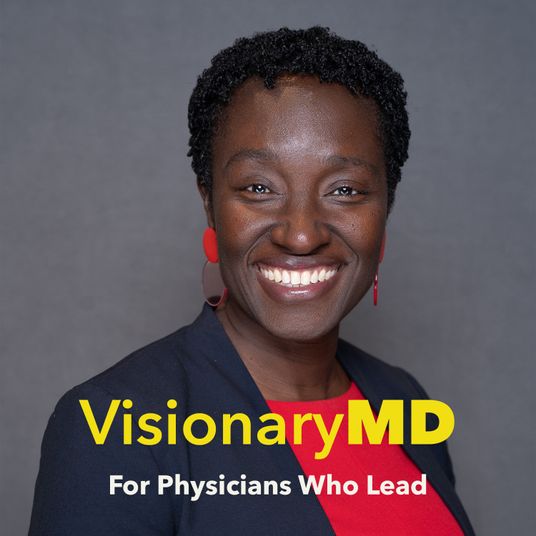
por Toyosi Onwuemene
Temporada 2

Five reasons to follow your passion

In life and in career, you should do what you love. But what if you have no idea what you love? In this episode, Dr. Toyosi Onwuemene explores the controversy around following your passion versus doing what's practical, and provides her unique perspective on finding a balance between the two. Key Points Discussed: Pure Pleasure: Doing what you love brings joy and can put you in a state of flow where time flies by without you even noticing. Life Enrichment: Engaging in activities you love enriches your life, making you more pleasant and energized. Creative Thinking: Stepping away from work to do what you love gives your brain space to think creatively and process challenges subconsciously. Compensating for Less Enjoyable Tasks: Having a passion helps balance out the parts of your work that you might not enjoy as much. Improved Scientific Work: Taking breaks to do what you love can make you a better scientist by allowing your brain to rest and rejuvenate. Links and Resources Mentioned: Steve Jobs' Commencement Address Flow: The Psychology of Optimal Experience by Mihaly Csikszentmihalyi Call to Action: If you enjoyed this episode, please subscribe to the Clinician Researcher Podcast, leave a review, and share it with your colleagues. Follow us on social media for updates and join our email newsletter for exclusive content and resources. Sponsor/Advertising/Monetization Information: This episode is sponsored by Coag Coach LLC, a leading provider of coaching resources for clinicians transitioning to become research leaders. Coag Coach LLC is committed to supporting clinicians in their scholarship. Looking for a coach? Sign up for a coaching discovery call today: https://www.coagcoach.com/service-page/consultation-call-1
The power of a weekly planning meeting

In today's episode, Dr. Onwuemene emphasizes the value of proactive, strategic planning to manage time effectively and achieve important goals amidst daily distractions and urgencies. Key points discussed: Importance of Weekly Planning:Helps prioritize personal goals over daily emergencies and urgent but less important tasks. Ensures progress on strategic, long-term objectives. Comparison with Strategic Planning:Strategic planning involves setting three to four-month goals with specific tasks. Weekly planning breaks these tasks into manageable chunks for the week. Impact of Not Planning:Without a plan, one tends to get distracted by urgent, less important tasks. Leads to a sense of accomplishment without progressing on important personal goals. Benefits of Weekly Planning:Provides space to reflect on what’s truly important. Allows for decision-making free from daily pressures and emotions. Gives a realistic view of available time and helps manage expectations. Steps to Create a Weekly Plan:Choose a specific day for planning (e.g., Sunday or Monday). Review the strategic plan to identify key tasks for the week. Limit to one to three major goals. Break down tasks into specific, scheduled activities. Block out time on the calendar for these tasks, treating them as real meetings. Make a comprehensive list of all tasks, prioritizing and scheduling as realistically as possible. Delegate tasks where appropriate. Executing the Plan:Start each day by reviewing the plan and tackling the highest priority task first. Avoid distractions such as email until after key tasks are completed. Recognize the value of completing high-priority tasks early in the day to ensure a sense of accomplishment. Sponsor/Advertising/Monetization Information: This episode is sponsored by Coag Coach LLC, a leading provider of coaching resources for clinicians transitioning to become research leaders. Coag Coach LLC is committed to supporting clinicians in their scholarship. Looking for a coach? Sign up for a coaching discovery call today: https://www.coagcoach.com/service-page/consultation-call-1

The value of a stupid question

In this episode, Dr. Onwuemene disusses the often overlooked value of what many might consider "stupid" questions. Drawing inspiration from a recent coaching session with a group of women, Dr. Onwuemene explores how these questions can lead to profound insights and foster a more inclusive and curious learning environment. Key Points Discussed: There Are No Stupid Questions: Every question has intrinsic value and provides insight into the asker's thoughts and knowledge level. Overcoming Fear and Shame: The hesitation to ask questions often stems from fear and shame, which need to be addressed to foster a more open learning culture. Curiosity Is Key: Questions, regardless of how they may appear, are born out of curiosity and should be treated as such. Pathway to Great Insights: What seems like a "stupid" question can often lead to significant insights and breakthroughs. Bravery and Boldness: Asking questions takes courage, and those who do should be commended for their bravery. Inspiration for Others: By asking questions, individuals can inspire others who may have similar doubts or concerns. Creating a Safe Space: Encouraging all types of questions helps to build a more supportive and respectful learning environment. Links and Resources Mentioned: Toyosi Onwuemene on LinkedIn The story of "The Emperor's New Clothes" Call to Action: Subscribe to the Clinician Researcher Podcast for more insightful episodes. Follow Tracy Onwuemene on LinkedIn for updates and more content on fostering curiosity and inclusivity. Leave a review and share this episode with colleagues who could benefit from understanding the value of asking questions.

Seizing opportunities in grant writing

In this episode, we discuss the importance of being prepared to seize grant submission opportunities, collaborating with others, and pushing through obstacles. Key Points Discussed: Be clear about the overarching goal of your research program. Create space for reflection. When an impossible situation arises, ask yourself how. Recognize that unusual collaborations create synergy. Push for the impossible. Recognize that the win is in the submission. Understand that all grant applications help you win. Links and Resources Mentioned: Google AI Grant Opportunities Information on TTP (Thrombotic Thrombocytopenic Purpura) and patient education Call to Action: If you enjoyed this episode, be sure to subscribe to the Clinician Researcher Podcast for more insights and strategies. Leave us a review and share this episode with colleagues who might benefit from these tips. Sponsor/Advertising/Monetization Information: This episode is sponsored by Coag Coach LLC, a leading provider of coaching resources for clinicians transitioning to become research leaders. Coag Coach LLC is committed to supporting clinicians in their scholarship. Looking for a coach? Sign up for a coaching discovery call today: https://www.coagcoach.com/service-page/consultation-call-1

Making the most out of conferences

In today's episode, we talk about making the most out of the conferences you attend. Specifically, we share strategies to help you maximize the value you get from attending conferences. Key Points Discussed: Create Space to Attend: Ensure you are mentally and physically present at the conference by minimizing distractions. Have a Plan: Plan which sessions to attend and which to skip, focusing on both learning opportunities and networking. Rest and Reflect: Allocate time for rest and reflection during the conference to consolidate your learning and experiences. Connect with People: Prioritize making and nurturing connections over just absorbing content. Follow Up: After the conference, follow up on new relationships and review your notes to reinforce your learning. Call to Action: Subscribe to the Clinician Researcher Podcast for more insightful episodes. Follow us on social media for updates and community engagement. Leave a review and share the episode with friends and colleagues. Sponsor/Advertising/Monetization Information: This episode is sponsored by Coag Coach LLC, a leading provider of coaching resources for clinicians transitioning to become research leaders. Coag Coach LLC is committed to supporting clinicians in their scholarship. Looking for a coach? Sign up for a coaching discovery call today: https://www.coagcoach.com/service-page/consultation-call-1

Finding purpose on your career journey

In today's episode of the Clinician Researcher Podcast, host Toyosi Onwuemene shares valuable insights from a coaching session with her clients. She delves into the importance of defining your purpose and vision in your medical career, drawing from her own experiences and challenges. This episode is a must-listen for faculty members and clinicians who feel they are merely surviving and want to rediscover what excites them about their careers. Key Points Discussed: The struggle of being in survival mode and not having a clear direction Chassi's journey from aspiring oncologist to a specialist in sickle cell and hemostasis thrombosis The challenges she faced during her fellowship and early faculty career The impact of having a supportive mentor and the role of coaching in her professional growth The importance of recognizing and responding to your feelings in real-time Steps to defining your purpose when the path ahead is not clear Recognizing signs of dissatisfaction and the need to align your work with your true goals The iterative process of refining your purpose through different life stages and events Links and Resources Mentioned: Connect on LinkedIn, Facebook, and Instagram Judith Holder, executive coach. Call to Action: If you enjoyed this episode and want to hear more, please subscribe to the Clinician Researcher Podcast. Follow Chassi on LinkedIn for updates on group coaching sessions and more insightful discussions. Don't forget to leave a review and share this episode with colleagues who might find it valuable. Sponsor/Advertising/Monetization Information: This episode is sponsored by Coag Coach LLC, a leading provider of coaching resources for clinicians transitioning to become research leaders. Coag Coach LLC is committed to supporting clinicians in their scholarship. Looking for a coach? Sign up for a coaching discovery call today: https://www.coagcoach.com/service-page/consultation-call-1

How to leverage relationships for career success

Today, we're diving into five powerful strategies to enhance your career through the use of relationships. While this episode focuses on enhancing your research career, these insights are applicable across various aspects of your professional life. Key Points Discussed: Become the Kind of Person You Want to Hang Out With:Focus on personal development. Cultivate qualities that make you a desirable collaborator. Remove Judgment from Your Relationship with Yourself:Avoid harsh self-criticism. Encourage personal growth and self-compassion. Reference: "Positive Intelligence" by Sherzod Shamin. Remove Judgment from Others:Foster an environment of respect and understanding. Understand the link between self-judgment and judgment of others. Pay Attention to What People Communicate:Recognize and respect the messages people convey through their actions and words. Understand the difference between judgment and recognition. Decide How You Want to Move Forward:Make active choices based on the information you gather from your interactions. Prioritize relationships that enhance and support you. Links and Resources Mentioned: Positive Intelligence by Sherzod Shamin: A book that explores how to manage self-criticism and develop a more positive mindset. [Link to be provided] Call to Action: Subscribe to the Clinician Researcher Podcast for more episodes on career enhancement and personal development. Follow us on social media to stay updated and join our community discussions. Leave a review on your favorite podcast platform to help others find and benefit from the show. Consider joining our coaching group on Mondays at 6 PM or reach out for individual coaching sessions. Sponsor/Advertising/Monetization Information: This episode is sponsored by Coag Coach LLC, a leading provider of coaching resources for clinicians transitioning to become research leaders. Coag Coach LLC is committed to supporting clinicians in their scholarship. Looking for a coach? Sign up for a coaching discovery call today: https://www.coagcoach.com/service-page/consultation-call-1

Income protection for clinician researchers with Dr. Stephanie Pearson

In this episode, host Toyosi Onwuemene discusses the crucial importance of disability insurance for physicians with guest Dr. Stephanie Pearson. Dr. Pearson, an OBGYN turned disability insurance expert, shares her personal story of a career-ending injury and how it led her to help other physicians secure appropriate income protection. The conversation covers key aspects of disability insurance, including the importance of own occupation policies, understanding the fine print in group versus private policies, and the specific needs of clinician researchers. 00:00 Introduction and Special Guest Announcement 00:25 Dr. Stephanie Pearson's Journey to Disability Insurance 03:33 The Unexpected Challenges and Setbacks 08:21 Understanding Disability Insurance 15:59 The Importance of Own Occupation Disability 22:45 Key Features to Look for in Disability Policies 28:08 Final Thoughts and Contact Information Sponsor/Advertising/Monetization Information: This episode is sponsored by Coag Coach LLC, a leading provider of coaching resources for clinicians transitioning to become research leaders. Coag Coach LLC is committed to supporting clinicians in their scholarship. Looking for a coach? Sign up for a coaching discovery call today: https://www.coagcoach.com/service-page/consultation-call-1

How to get started writing manuscripts

In this episode of the Clinician Researcher Podcast, host Dr. Toyosi Onwuemene shares practical advice on how to get started with manuscript writing. Dr. Onwuemene discusses the importance of seeking co-author opportunities, transitioning to first author roles, finding topics of interest, creating space for writing, engaging for the long haul, and the necessity of revisions and resubmissions. Key points: The Importance of Co-Authoring Finding First Author Opportunities Choosing Projects You Care About Creating Space for Writing Engaging for the Long Haul Sponsor/Advertising/Monetization Information: This episode is sponsored by Coag Coach LLC, a leading provider of coaching resources for clinicians transitioning to become research leaders. Coag Coach LLC is committed to supporting clinicians in their scholarship. Looking for a coach? Sign up for a coaching discovery call today: https://www.coagcoach.com/service-page/consultation-call-1

How to use reviewer criticisms to your advantage

In this episode, we discuss reviewer criticisms, explore the emotional impact of extensive feedback, and highlight the ultimate benefits of embracing critiques. Key Points Discussed: The emotional journey of dealing with overwhelming reviewer feedback. The significance of creating a work of writing. The importance of recognizing criticism as a sign of noteworthy work. How criticism shows that people care about the research. Discovering what aspects of the work resonate most with others through their feedback. Using reviewer comments to refine and enhance a manuscript. The need to continue to show up and create new work. Links and Resources Mentioned: www.coagcoach.com Call to Action: If you found this episode helpful, please subscribe to the Clinician Researcher Podcast, leave a review, and share it with colleagues. Your feedback and support help continue to provide valuable content for clinician researchers. Sponsor/Advertising/Monetization Information: This episode is sponsored by Coag Coach LLC, a leading provider of coaching resources for clinicians transitioning to become research leaders. Coag Coach LLC is committed to supporting clinicians in their scholarship. Looking for a coach? Sign up for a coaching discovery call today: https://www.coagcoach.com/service-page/consultation-call-1
7 de 23