
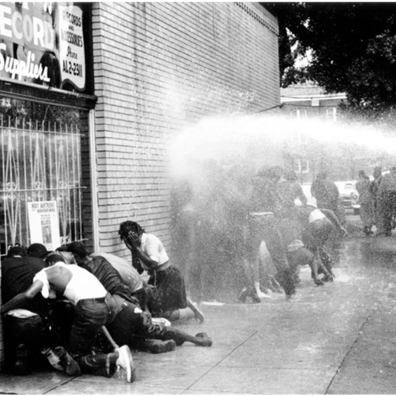
The Church and The Civil Rights Movement
Notas del episodio
Lesson Plan:
The Black church was the spiritual, cultural, and strategic center of the Underground Railroad and later the civil rights movement. Through coded music, secret gatherings, and community networks, it sustained Black resistance—and its legacy raises the question of whether the Black church still holds that meaning today.
Learning Objectives
Students will analyze how the Black church shaped the Underground Railroad as a liberation network.
- Example: A student explains how church gatherings provided cover for planning escape routes.
- Example: A student identifies how spirituals communicated coded instructions.
Students will evaluate how the Black church’s traditions reappeared during the civil rights era.
- Example: A student connects spirituals like “Wade in the Water” to gospel songs used in 1960s marches.
- Example: A student explains why churches were bombed—they were centers of strength and strategy.
Learning Outcomes
Students will explain how enslaved people used church networks, music, and community to escape.
- Example: A student describes how the North Star, coded songs, and church elders guided escape attempts.
Students will connect the Underground Railroad to the civil rights movement and reflect on the church’s meaning today.
- Example: A student writes that the same churches targeted by slave patrols were later bombed in Birmingham because they were hubs of resistance.
Core Content
The Black church was the heartbeat of the Underground Railroad. It offered secrecy, spiritual courage, coded communication, and trusted leadership. Spirituals like “Steal Away” and “Wade in the Water” carried double meanings—worship on the surface, escape instructions underneath.
These same traditions reappeared during the civil rights era. From the four little girls killed in the Birmingham church bombing, to segregated water fountains, to crosses burned in front of sanctuaries, the Black church remained a target because it remained a threat. It was where Dr. King, Medgar Evers, Jesse Jackson, and local organizers met to plan, regroup, and resist without developing a mindset of hate.
Mr. Lucky's Question in 2026: Does the Black church still hold that meaning?
Underground Railroad Activity
Students work in groups to simulate planning an escape using:
- A coded spiritual
- A simple map with church‑based safe houses
- A risk card (patrols, weather, betrayal)
Students must decide:
- When to leave
- Which church network to trust
- How to avoid detection
Groups either reach freedom or face obstacles that force reflection.
Formative Assessment
Students write a brief reflection answering:
- How did the Black church shape your group’s escape strategy?
- How did music, faith, and community support resistance?
- Does the Black church still hold the same meaning today?
Mr. Lucky, MAPL
Licensed Social Studies Teacher
Contact; blackfreedomofspeech@gmail.com
See my book: https://www.barnesandnoble.com/w/relationships-the-power-of-illusion-lucky/1149325667?ean=9781663277930