What The Hell Do I Do Now?

What The Hell Do I Do Now?

di Genevieve Henderson
94. Dillon Schoen Toohill | A Journey Through Grief and Athletics
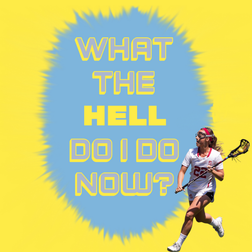
Dillon Schoen Toohill is a former Stanford lacrosse player and team captain whose transition out of athletics unfolded alongside one of the most challenging seasons of her life. After losing her father just before her senior year, Dillon found herself navigating both the emotional weight of grief and the identity shift that comes with stepping away from a sport that shaped her for years. In this episode, Dillon reflects on her decision to pursue a career beyond lacrosse, earning a master’s degree at Stanford before building a career in finance and strategy with roles at Apple and in the digital health space. She shares how athletics prepared her for the demands of professional life while also opening up about the uncertainty that followed the end of her playing career. Dillon discusses the ways she has stayed connected to sport through endurance challenges that honor her father’s memory, including half-Ironman races and fundraising efforts for cancer research. Additionally, she offers a unique perspective on supporting her husband through his own transition out of professional football, as they navigate the opportunities and unknowns that come with life after sport together. This conversation explores identity, grief, resilience, and the reality that growth often happens in the seasons when life doesn't go according to plan.
93. Brandyn Curry | From Recovery to Reinvention
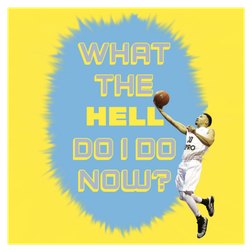
Brandyn Curry is a former Harvard basketball player whose athletic journey took him from the Ivy League to professional basketball overseas. After graduating, Brandyn spent several seasons playing professionally in Europe before a devastating knee injury in Romania ended his playing career and forced him to confront life beyond the game sooner than expected. Now serving as Program Director for The SHIELD Foundation, Brandyn helps former athletes navigate the often-overlooked challenges of transitioning out of sport. In this episode, he shares the realities of a career-ending injury, the emotional and physical toll of losing the game he loved, and how that experience ultimately led him to a new purpose. Brandyn reflects on the importance of advocating for your own health, building meaningful relationships before, during, and after your athletic career, and why the lessons learned through sport can continue to shape life long after competition ends. This conversation explores identity, resilience, and what it means to turn one of life's hardest setbacks into an opportunity to help others find their next chapter.
92. Aubrey Peterson | Once an Athlete, Always an Athlete
Aubrey Peterson is a former Division I softball player at the University of Utah and a longtime member of the Great Britain national softball team. Competing internationally for seven years, Aubrey traveled the world while balancing the transition from collegiate athletics to the reality of becoming an independent athlete — navigating sponsorships, training, and life beyond the structure of college sports. In this episode, Aubrey reflects on the unexpected turns that shaped her transition out of elite competition. After COVID paused international play at the height of her career and injuries shifted her perspective on returning to the game, she began building a new life rooted in community, outdoor adventure, and coaching. Now based in Bozeman, Montana, Aubrey owns and operates a batting cage facility while staying connected to sport in a new way. She shares honest insight into athlete identity, burnout, retirement, and the importance of separating who you are from what you play. This conversation explores trusting yourself through uncertainty, finding purpose after sport, and redefining what it means to stay competitive long after the game ends.
91. Ed Lubowicki | Reconstructing What was Best about Sport
Ed Lubowicki is a former Division 1 lacrosse athlete at Notre Dame who now works at the intersection of athlete transition, identity, and professional development. In this episode, Ed joins Genevieve to unpack the often overlooked reality of life after sports — from the identity shifts that follow retirement to the challenge of building structure and purpose in a completely different environment. Ed shares his personal journey from college athletics into the corporate world, including his time in cybersecurity consulting at Deloitte, where a demanding, travel-heavy lifestyle led him to reevaluate what he truly wanted. Now finishing his master’s thesis on athletic identity foreclosure, he brings both lived experience and academic insight into how athletes navigate transition. The conversation explores the parallels between sport and entrepreneurship. Ed also shares how reflective practices, philosophy, and intentional community-building have helped him rebuild a sense of identity beyond sport. This episode dives into the gap between athletic excellence and real-world structure, and what it looks like to intentionally design a life after the game.
90. Haley Paez | It’s not Failure, It’s Feedback
Haley Paez is a Denver-based food content creator and former Division I soccer player at the University of Denver. In this episode, Haley shares her journey through college athletics — from navigating multiple coaching changes and transferring schools, to facing the intense internal and external pressures that came with competing at a high level. She opens up about her experience with disordered eating, the physical and mental toll of injuries, and the difficult decision to step away from the sport before she felt ready. Haley reflects on the identity loss that followed and how therapy helped her reframe her past, adopting the mindset that “failure is feedback.” Now a full-time content creator, Haley shares how she’s applied the discipline and work ethic she developed as an athlete to build a career in the digital space. She also talks about rediscovering her love for soccer in a low-pressure environment and learning to define herself beyond sport. This episode explores transition, healing, and what it means to rebuild your identity on your own terms. If you or someone you know is struggling, Visit the National Eating Disorders Association (NEDA) to learn about eating disorders, find help, and how you can take action to raise awareness.
89. Chris Duvall | Redirecting Work Ethic after Sports
Chris Duvall is a former professional soccer player who spent eight seasons competing in Major League Soccer, playing for multiple clubs including the New York Red Bulls, Montreal Impact, Houston Dynamo, Portland Timbers, and FC Cincinnati. After retiring from professional soccer, Chris faced the transition many athletes experience — figuring out how to redirect the intensity, discipline, and identity that come with competing at the highest level. In this episode, Chris opens up about a pivotal moment in his career when a serious leg injury forced him to confront the mental and emotional challenges of being sidelined. Initially skeptical of therapy, he eventually sought help after experiencing symptoms of PTSD following the injury — a decision that ultimately reshaped his perspective on mental health and personal growth. Chris shares what it looked like to rebuild his life after sport: finishing his graduate degree while still playing, briefly coaching, and eventually stepping into a new career as a mortgage lender in St. Louis. He reflects on the difficulty of shifting from constantly proving yourself as an athlete, to building a sustainable life where your worth isn’t defined by performance. This conversation explores identity beyond sport, the power of mental health support, and the challenge of learning where to place your energy after leaving a career built on giving everything to the game.
88. Sophia Woodland | Leaving the Program Better Than You Found It
Sophia Woodland is a former Division I soccer player from Boston University, where she competed for four years while studying business and minoring in psychology, graduating in 2023. In this episode, Sophia reflects on the reality behind her collegiate career — from feeling voiceless in a difficult team environment her first two years to beginning therapy and learning to separate her self-worth from her performance on the field. She shares how adopting a new mindset her junior year helped her reclaim some joy, and how a coaching change her senior year allowed her to enjoy the game again. For Sophia, the hardest part of leaving collegiate soccer was leaving the daily access to her teammates and built in community. Sophia speaks candidly about the importance of coaching culture, power dynamics, and the silence many athletes feel pressured into. After the release of a documentary by Alex Cooper highlighting experiences under former coaches Nancy Feldman and Casey Brown, Sophia found herself revisiting her own experience. She discusses the fear of retaliation, the risks athletes face in speaking up, and the lasting impact of negative language — particularly around body image — during formative years. Now based in Denver, Sophia serves as Head of Ratings at 2aDays, a platform designed to bring transparency to college athletics through coach and program reviews. Inspired by the belief that athletes have a responsibility to “leave the program better than you found it,” she is helping create space for honest feedback and systemic change. This conversation explores identity, accountability, the NCAA’s gaps in supporting athlete transitions, and the courage it takes to use your voice after years of being taught not to.
87. Maya Lorimer | Lean in to What Calls You
Maya Lorimer grew up in the dance studio, training competitively from the time she could walk and eventually earning a spot on the Arizona State University dance team — one of the top programs in the nation. During her time at Arizona, she balanced game days, appearances, and the pressure of re-auditioning annually just to keep her place. When her senior season was cut short by COVID, her dance career ended without the closure she had imagined. After graduating with a degree in urban planning, Maya found herself in an isolating cubicle job, struggling to adjust to life without the structure, intensity, and built-in community of dance. What followed was a pivot into social media — first as a manager, then freelancer, and now full-time content creator based in Denver. In this episode, Maya reflects on rebuilding identity after sport, replacing the loss of team culture with new forms of community, and learning to say yes to opportunities before she felt fully ready. This conversation explores creativity, confidence, and what it really takes to build purpose beyond athletics.
86. Mika Mierzwa | Sometimes Not Having a Plan Is the Plan
Mika Mierzwa is a former collegiate volleyball player from Coastal Carolina, where she competed in both indoor and beach volleyball while pursuing a biology degree. Graduating early, Mika stepped away from sport sooner than expected — a transition that pushed her to confront how deeply her identity was tied to being an athlete. After college, she spent time living abroad in Thailand and later in Charleston, using that space to disconnect, reset, and rediscover who she was outside of volleyball. Now a veterinary student at the University of Arizona, Mika shares how her experience as a college athlete prepared her for the intensity of vet school – from discipline and time management to resilience under pressure. She reflects on the challenge of no longer receiving external validation through sports, learning to build her own internal feedback loop, and embracing uncertainty in the seasons where there is no clear plan. This episode explores identity, transition, and trusting that sometimes not having a plan is exactly what you need.
85. Maddy Brill-Edwards | From the Pitch to the Operating room
Dr. Maddy Brill-Edwards is a former collegiate soccer player at the College of Charleston and a current general surgery resident navigating one of the most demanding training paths in medicine. In this episode, Maddy shares how a childhood plan to become a doctor, shaped by a family of physicians, evolved alongside a deep love for soccer that followed her from youth competition, to playing at a Division 1 level collegiately, and finally to playing professionally in Scotland after college. Maddy reflects on choosing general surgery over more “glamorous” specialties, the realities of residency life, and why the intensity that once fueled her as an athlete eventually became unsustainable. She explores how stepping away from soccer during the pandemic helped her understand its role as an emotional outlet, and how returning to the game now serves as both joy and therapy. This conversation weaves together identity, discipline, mental health, and the value of having multiple dimensions beyond a single pursuit — in sport, medicine, and life.
1 di 10