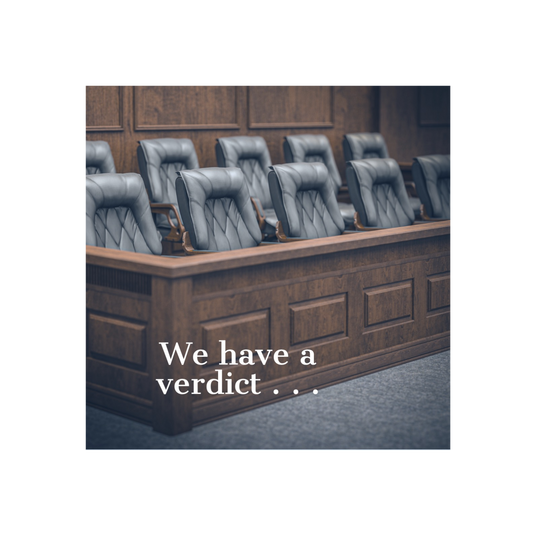
We have a verdict . . .

We have a verdict . . .
di Kevin Randolph
The two schools of cross examination
'Open ended' cross examination and' leading question' cross examination.
"Your case is weak, Mr. Prosecutor." The pretrial conference in a serious felony case.
DNA, suppression discussions during a pretrial conference.
What goes on with the Supreme Court's "Shadow Docket.?"
Why the secrecy? Why no argument?
Stagione 1
How can you represent someone who is guilty?
Bonus
The role of criminal defense attorneys in the United States.
How can you represent someone who is guilty, pt. 2
Bonus
Most cases resolve through negotiation.
How can you represent someone who is guilty? pt. 3
Bonus
Most cases resolve by negotiation.
Under what kind of political pressure are judges?
Bonus
Political pressures judges face.
The 4th Amendment and your cell phone.
Cell phones capture every aspect of a person's life . . . thus requiring strong 4th amendment protections against unreasonable searches of cell phone data.
Shouldn't they have a warrant? The good faith exception.
The good faith exception to the warrant requirement does not promote warrantless searches but demands corroboration of a confidential informant's information.
"Do you know what you're doing"? What questions does a judge ask a defendant who decides to plead guilty?
Bonus
A judge's questions to defendant who decides to plead guilty creates a record of the defendant's waiver of constitutional rights.
1 di 4