The Collective Tap: Conversations About Water

The Collective Tap: Conversations About Water

di The White River Alliance
Stagione 5
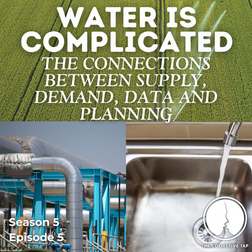
Water Is Complicated: The Connections Between Supply, Demand, Data and Planning.
If we know anything about water, it’s that everyone uses it. It is literally the basis of life on the planet, but, somewhat less grandly, it is also a key factor in Indiana’s economy, a favorite destination for recreation, a factor in agricultural production, the stuff we drink every day, and so much more. So, what do we really know about it? How much do we have and where? In this episode, we explore what it takes to understand water resources so that they can be managed sustainably and continue to support our economy, recreation, farms, and daily uses.
Forever Is a Long Time: PFAS and Our Future
The class of man-made chemicals commonly called PFAS or PFOA is found in a huge range of products we use every day: from takeout containers to waterproof clothing to computers to medical equipment. Unfortunately, these chemicals never break down, are linked to a range of serious health issues, and are now found in nearly every single body of water on earth, including the rain and clouds. What do we know about PFAS in Indiana, and what is being done to protect Hoosiers?
It’s Not A Dry Heat: Climate Change and Flooding
Climate change is no longer a what-if scenario but an ongoing process with impacts that already demand attention. What are those impacts to our water resources, and how will the changes we are experiencing affect things like infrastructure, development, and the insurance industry? What about the natural environment, wildlife, and agriculture?
Not Deep But Wide: Wetland Regulations and Their Implications
Wetlands are nature’s sponge, or, as Rachele Baker says, it’s multitool. Whether fen, bog, marsh, or swamp, wetlands are a critical piece of natural infrastructure that provide a wide range of services and benefits to human and wildlife communities. Are we treating them appropriately? Do we have adequate protections in place for such an important feature? If you listened to Episode 1 this season, then you already know the answer. Let’s take a closer look at wetlands, regulations, and what we risk with our current approach to their management.
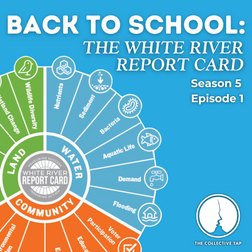
Back to School: The White River Report Card
What is the White River Report Card and what does it measure? What are the issues affecting human health, investment and development, wildlife and the natural environment? The grades might not be great right now, but how can we improve and protect the river and our communities and safeguard our future?
Stagione 4
The Indigenous Perspective
Native Americans used Indiana’s waterways long before colonization. While they derived many of the same uses, the Indigenous relationship to water bears some fundamental differences from the one exhibited most often today.
Recreation
Being on the water is a special experience and provides a wide range of benefits. Fishing, paddling, bird watching, or walking along the water’s edge–all of these experiences can help forge a deeper relationship with this most essential element and inspire a greater interest in its protection.
Wildlife
This podcast has focused on the many ways that humans use water, but there are many more creatures big and small that depend on our waterways as well. In this episode, we talk about wetland habitats, unique species, conflicts with development, and how to help protect water and wildlife.
Community
From earliest times, waterways have been the backbone of human communities. That history hasn’t always been positive, but there are signs that our relationship to these waterways is changing for the better.
Series Teaser: On the Water
Trailer
THE COLLECTIVE TAP is a podcast about water and the many ways we interact with this critical resource every day. Some of those uses are obvious: washing dishes, swimming, or watering plants. Others are less obvious: generating energy, building roads, and manufacturing goods that travel far from the water’s source to reach their destination. But even given those many uses—and the many more users who expect clean water on demand—it’s easy to take for granted how critical this one resource is to life. What, exactly, is the value of water? We try to answer this question through a series of engaging conversations with experts in their fields, and, hopefully, inspire a new appreciation of the waters you call home.
1 di 3