the SPM podcast

the SPM podcast

di Herbert Aberson
Episode 11 Dr. Joan Clària “SPMs in Liver Disease & Obesity: Resolution Biology from Adipose Tissue to Cirrhosis"
Episode 11 Dr. Joan Clària In this episode we welcome Professor Dr. Joan Clària, a leading voice in inflammation resolution biology and one of the pioneers exploring how the body actively resolves inflammation through lipid mediators. We discuss his career path from clinical biochemistry at Hospital Clínic Barcelona to postdoctoral work with Charles Serhan, his foundational research on SPMs in liver disease and obesity, the role of resolution deficits in adipose tissue inflammation and metabolic-associated fatty liver disease (MAFLD/MASH), and the translational potential of SPMs, omega-3 precursors, and stable analogs. Key themes include the unique clinical-biochemical perspective he brings to SPM biology, the importance of on-site SPM production in tissues, challenges in reversing established fibrosis, the need for more research on SPMs and adaptive immunity, and the future of resolution pharmacology for chronic metabolic and liver conditions. Key Topics • Early interest in mechanisms and clinical biochemistry training • Postdoctoral work with Charles Serhan (1992–1995) and discovery of aspirin-triggered lipoxins • Establishing a lab focused on lipid mediators in liver disease • First demonstrations of SPM deficits in obese adipose tissue and links to hepatic steatosis • Macrophage polarization, crown-like structures, and unresolved inflammation in obesity • SPMs, efferocytosis (including maresin 1 and Kupffer cells), and infection susceptibility in cirrhosis • Limitations of SPMs for established fibrosis and emphasis on prevention • Adaptive immunity, B-cell responses, and lessons from COVID-era observations • Current supplements vs. future stable analogs and receptor-targeted approaches • Personal life, family farm, and return to acute-on-chronic liver failure research About the Guest Professor Joan Clària is Professor at the University of Barcelona and Group Leader of the Inflammation and Liver Disease research group at IDIBAPS, Hospital Clínic de Barcelona. A clinical biochemist by training with extensive translational experience, he has published widely on pro-resolving mediators in liver disease, obesity, and metabolic inflammation and is a highly cited researcher in the field of inflammation resolution.
Episode 10 Dr Mauro Perretti "Immunoresolvents & Resolution Pharmacology: From Annexin A1 to SPMs"
Episode 10 Dr Mauro Perretti “Immunoresolvents & Resolution Pharmacology: From Annexin A1 to SPMs with Dr. Mauro Perretti” In this episode we welcome Professor Mauro Perretti, a leading pioneer in immunopharmacology and the biology of inflammation resolution. We discuss his career path from Florence to the William Harvey Research Institute, his foundational work on Annexin A1, his collaboration with Charles Serhan, the concept of immunoresolvents, Specialized Pro-resolving Mediators (SPMs), neutrophil microvesicles, and the emerging field of resolution pharmacology. Key themes include why inflammation is not inherently “bad,” what mainstream medicine still overlooks, the therapeutic potential of SPMs and Annexin A1 in arthritis and chronic inflammation, mentorship of prominent researchers (including Jesmond Dalli and Lucy Norling), and the future of treatments that actively promote resolution rather than only suppress inflammation. Key Topics • Early career and entry into inflammation research • Meeting Charles Serhan in Florence and long-term collaboration • Annexin A1 biology and its multiple pro-resolving actions • Convergence of Annexin A1 and SPMs (shared ALX/FPR2 receptor) • Immunoresolvents and active resolution of inflammation • Resolution as a programmed process (apoptosis, efferocytosis, macrophage phenotype switch) • Limitations of drugs that only block the initiation phase of inflammation • Resolution pharmacology and potential in rheumatoid arthritis • Mentorship of key SPM scientists • Biological redundancy and resilience in resolution networks About the Guest Professor Mauro Perretti is a highly cited researcher (over 46,000 citations) whose work bridges Annexin A1, SPMs, neutrophil biology, and translational resolution pharmacology. He has held senior leadership roles at the William Harvey Research Institute and Queen Mary University of London.
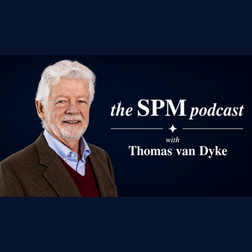
Episode 9 Dr. Thomas E. Van Dyke “SPMs in Periodontal Disease: Neutrophils, Resolution Biology & Oral-Systemic Links"
Episode 9 Dr. Thomas E. Van Dyke, a world-renowned periodontist, researcher, and leader in inflammation resolution biology. Dr. Van Dyke earned his DDS from Case Western Reserve University in 1973, followed by an MS in Oral Sciences, Certificate in Periodontology, and PhD in Oral Biology from SUNY Buffalo in the early 1980s. He built his early career at Boston University, Rising to Professor and Director of Periodontology Research and Clinical Research programs, before joining the Forsyth Institute in 2010—where he now serves as Senior Vice President for Clinical and Translational Research and holds a professorship at Harvard School of Dental Medicine. Throughout his career, Dr. Van Dyke has focused on the pathogenesis of periodontal disease, with groundbreaking work on neutrophil biology, host responses, and the critical role of failed inflammation resolution in chronic tissue and bone destruction. His long-standing collaboration with Dr. Charles Serhan helped pioneer the application of specialized pro-resolving mediators—or SPMs—such as lipoxins and resolvins to oral health. This research is transforming how we think about treating periodontitis—not just by blocking inflammation, but by actively promoting its natural resolution and tissue regeneration. Dr van Dyke has also mentored many leading scientists in the field, including Drs. Gabrielle Fredman, Alpdogan Kantarci, and Hatice Hasturk, who continue to advance SPM research and its clinical applications.
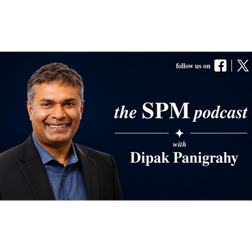
Dr. Dipak Panigrahy "Battling Cancer Softly: SPMs, Tumor Debris Clearance & Resolution in Cancer Therapy"
Episode 8 Dr. Dipak Panigrahy " Battling Cancer Softly: SPMs, Tumor Debris Clearance & Resolution in Cancer Therapy" Welcome to the SPM Podcast, the podcastabout Specialized Pro-Resolving Mediators. Subscribe, leave a comment, and share this episode with anyone interested in cancer biology, inflammation resolution, and innovativeapproaches to oncology. Episode Summary: In this eye-opening episode, we welcome Dr.Dipak Panigrahy, a pioneering researcher exploring the role of Specialized Pro-ResolvingMediators (SPMs) in cancer. Dr. Panigrahy explains how conventional cancertreatments like chemotherapy and surgery, while killing tumor cells, can generate tumor debris killing tumor cells, can generate tumor debris that fuels inflammation and promotes cancer recurrence and metastasis. He discusses how SPMs (such as resolvins,maresins, and protectins) actively resolve this inflammation, enhance the clearance of tumor debris by macrophages, reprogram the tumor microenvironment, and suppress cancer progression without immunosuppression. The conversation highlights the paradigm shift from solely destroying cancer cells to also promoting active resolution of the resulting inflammation for better long-term outcomes. Guest Bio: Dr. Dipak Panigrahy, MD, is an Assistant Professor of Pathology at Harvard Medical School and Beth Israel Deaconess Medical Center (BIDMC) in Boston, where he leads a research laboratory in the Center for Vascular Biology Research. His groundbreaking work focuses on the intersection of inflammation, lipid mediators, and cancer. Dr. Panigrahy investigates how Specialized Pro- Resolving Mediators (SPMs) can be harnessed to mitigate cancer-related inflammation, cleartherapy-induced tumor debris, reduce metastasis, and improve the efficacy of conventional cancer treatments. He has collaborated extensively with SPM pioneer Dr. Charles Serhan and is a leading voice in resolution biology applied to oncology. Resources Mentioned: Key Papers: Preoperative stimulation of resolution and inflammation blockade eradicates micrometastases Journal of Clinical Investigation 2019 https://www.jci.org/articles/view/127282 Aspirin-triggered proresolving mediators stimulate resolution in cancer PNAS, 2019 https://www.pnas.org/doi/10.1073/ pnas.1804000116 Exploring the unique role of specialized pro-resolving mediators in cancer therapeutics Prostaglandins & Other Lipid Mediators, 2024 https://pubmed.ncbi.nlm.nih.gov/39722403/ Specialized Pro-Resolving Mediators Mitigate Cancer-Related Inflammation Frontiers in Immunology, 2021 https://www.frontiersin.org/journals/immunology/articles/10.3389/fimmu.2021.702785/full Additional Resources: Metagenics Institute Interview: Impact of SPMs on Tumor Size and Growth https://www.metagenicsinstitute.com/video/spms-impact-tumor-growth/ Panigrahy Lab Beth Israel Deaconess Medical Center https://research.bidmc.org/dipak-panigrahy/ research
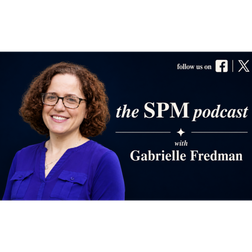
Episode 7 Dr. Gabrielle Fredman "Resolution biology in the Vascular System:SPMs, Atherosclerosis, Plaque Stability & Cardiovascular Health"
Episode 7 Dr. Gabrielle Fredman "Resolution biology in the Vascular System:SPMs, Atherosclerosis, Plaque Stability & Cardiovascular Health" Welcome to the SPM Podcast, the podcastabout Specialized Pro-Resolving Mediators. Subscribe, leave a comment, and share thisepisode with anyone interested in heart health, inflammation resolution, and cutting-edgecardiovascular science. Episode Summary: In this compelling episode, we welcome Dr.Gabrielle Fredman, a leading researcher in inflammation resolution and vascular biology. Dr. Fredman explains how Specialized Pro-Resolving Mediators (SPMs) actively resolve. Specialized Pro-Resolving Mediators (SPMs) actively resolve chronic inflammation in blood vessels, promote the clearance of dead cells (efferocytosis), andhelp stabilize atherosclerotic plaques. The conversation dives into why atherosclerosisis fundamentally a disease of failed resolution, the imbalance between pro-inflammatory lipids and SPMs in plaques, and the therapeutic promise of boosting resolution pathways for cardiovascular disease. Guest Bio: Dr. Gabrielle Fredman, PhD, is a Professor in theDepartment of Molecular and Cellular Physiology at Albany Medical College in Albany, New York, where she leads the Fredman Lab. Dr Fredman's research focuses on themechanisms of inflammation resolution in atherosclerosis, vascular inflammation, aging, and plaque stability. She is particularly known for her work on how She is particularly known for her work on how Specialized Pro-Resolving Mediators (SPMs) such as resolvins regulate macrophage function, efferocytosis, and the transition from chronic inflammation to tissue repair in the cardiovascular system. Dr. Fredman has collaborated with SPM pioneers like Dr. Charles Serhan and has received NIH funding for her groundbreaking studies on resolution pharmacology in heart disease. Resources Mentioned: Key Papers: An imbalance between specialized pro-resolving lipid mediators and pro-inflammatory leukotrienes promotes instability of atherosclerotic plaques. Nature Communications, 2016 https://www.nature.com/articles/ncomms12859 Boosting inflammation resolution in atherosclerosis: the next frontier for therapy. The American Journal of Pathology, 2017 https://pmc.ncbi.nlm.nih.gov/articles/PMC5455064/ Specialized pro-resolving mediators in vascular inflammation and atherosclerotic cardiovascular disease. Nature Reviews Cardiology (with Charles Serhan), 2024 https://pmc.ncbi.nlm.nih.gov/articles/PMC12863063/ Resolvin D1 Enhances Necroptotic Cell Clearance and Promotes Plaque Stability Arteriosclerosis, Thrombosis, and Vascular Biology, 2021 https://www.ahajournals.org/doi/10.1161/ATVBAHA.120.315758 Additional: Metagenics Institute Interview: The Role of Specialized Pro-Resolving Mediators in Atherosclerosis https://www.metagenicsinstitute.com/video/ spms-in-atherosclerosis/ Fredman Profile at Albany Medical College https://www.amc.edu/researcher/gabrielle- fredman-phd/ Lab at Albany Medical College https://fredmanlab.com/
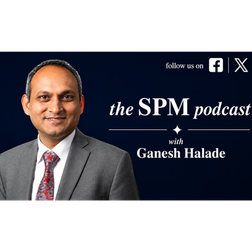
Episode 5 Dr. Ganesh V. Halade "A Journey Through Resolution Biology: SPMs in Cardiac Repair, Diet, and Chronic Inflammation"
Episode 5 Dr. Ganesh V. Halade "A Journey Through Resolution Biology: SPMs in Cardiac Repair, Diet, and Chronic Inflammation" Welcome to the SPM Podcast, the podcast about Specialized Pro-Resolving Mediators. Subscribe, leave a comment, and share this episode with anyone interested in inflammation resolution, heart health, and cutting-edge resolution science. Episode Summary: In this insightful episode, we welcome Dr. Ganesh V. Halade, a leading cardiovascular scientist and expert in inflammation-resolution biology. Dr. Halade shares his remarkable journey from growing up in a farming family in India surrounded by nature and curious about healing to becoming a tenured professor whose research is reshaping our understanding of how the body actively turns off inflammation. He explains Specialized Pro-Resolving Mediators (SPMs) and details how these endogenous lipid mediators (derived from omega-3 and omega-6 fatty acids) orchestrate the safe resolution of inflammation, promote tissue repair, and prevent progression to chronic diseases like heart failure. Guest Bio: Dr. Ganesh V. Halade, PhD, is a tenured Professor in the Division of Cardiovascular Sciences at the University of South Florida’s (USF) Morsani College of Medicine and Heart Institute in Tampa, Florida. Originally from India, he earned his PhD in Pharmacology from the University of Mumbai. He completed postdoctoral training at the University of Texas Health Science Center at San Antonio with mentors Gabriel Fernandes and Merry Lindsey before advancing his career at the University of Alabama at Birmingham and now at USF. His lab focuses on Specialized Pro-Resolving Mediators (SPMs), the spleen-heart connection, lipidomics, cardiac repair after heart attacks, heart failure (including HFpEF), and the links between diet, metabolism, aging, and unresolved inflammation. He has also expanded into colon cancer research togetherwith Dr. Timothy Yeatman of USF Morsani, investigating how dietary fats and failed resolution drive chronic disease. Key Topics Covered: ”What SPMs (resolvins, lipoxins, maresins, protectins) are and how they actively drive resolution, clear debris, promote repair, and prevent fibrosis. The spleen-heart axis and the central role of macrophages in cardiac healing.Impact of diet, omega-3/omega-6 balance, seed oils, ultra-processed foods, obesity, aging, and other factors on SPM pathways. Research on heart failure, cardiorenal syndrome, sex differences, and translational findings. Recent and ongoing work linking unresolved inflammation and lipid dysregulation to colon cancer. Future directions in resolution pharmacology and “resolution medicine. Resources Mentioned: The lab of Dr. Halade https://2102045666.github.io/HaladeLab/index.html USF Health Heart Institute – Dr. Ganesh Halade faculty profile https://health.usf.edu/medicine/heart-institute/faculty/ghalade Dr. Halade's landmark Lancet paper on SPM in cardiac repair and heart failure https://www.thelancet.com/journals/ebiom/article/PIIS2352-3964(22)00176-1/fulltext Paper on Colon Cancer together with Dr. TimothyYeatman https://www.usf.edu/news/2024/how-ultra-processed-foods-may-drive-colorectal-cancer-risk.aspx
Episode 4 Dr. David LeMay "Bridging Resolution Biology and Real-World Clinical Practice: SPMs in Elite Performance, Sports Medicine & Recovery"
Episode 4 Dr. David LeMay "Bridging Resolution Biology and Real-World Clinical Practice: SPMs in Elite Performance, Sports Medicine & Recovery" Welcome to the SPM Podcast, the podcast about Specialized Pro-Resolving Mediators. Subscribe, leave a comment, and share this episode with anyone passionate about cutting-edge science and better health outcomes. Episode Summary: In this powerful episode, we are honored to welcome the leading specialist bridging innovative resolution biology with real-world clinical practice: Dr. David LeMay. Dr. LeMay shares his extensive experience translating the science of Specialized Pro-resolving Mediators (SPMs) into practical protocols used with professional athletes, special operations forces, and high-performing individuals. He explains how SPMs actively resolve inflammation, accelerate recovery from injury and concussion, reduce reliance on NSAIDs, and support long-term performance and metabolic health. Through compelling stories from NBA, NFL, NHL, and MLB organizations, Dr. LeMay demonstrates why shifting from simply blocking inflammation to actively promoting its resolution represents a major paradigm shift in sports medicine and clinical practice. Guest Bio: Dr. David LeMay is a board-certified physician in Physical Medicine and Rehabilitation, with additional certification in Metabolic and Nutrition Medicine and advanced training in anti-aging and regenerative medicine. He is the founder of Regenesis Lifestyle Performance Medicine in Pensacola, Florida, where he focuses on performance optimization, inflammation resolution, and helping patients return to peak function. Dr. LeMay earned his medical degree from the University of Nevada School of Medicine in 1996, followed by a residency in Physical Medicine and Rehabilitation at the University of Texas Health Science Center at San Antonio. He has served as a performance medicine consultant for multiple NBA, NFL, NHL, and MLB organizations and has worked extensively with special operations forces, veterans, and high-performing individuals. He has also served as associate clinical faculty at Florida State University College of Medicine and as a visiting research scientist at the Institute for Human and Machine Cognition (IHMC). Key Topics Covered: Dr. LeMay’s journey into medicine, sports injuries, and performance optimization. What Specialized Pro-Resolving Mediators (SPMs) are and why they matter. The lipid mediator class switch — moving from inflammation to active resolution. Clinical success using SPMs with professional athletes and military personnel The risks of overusing NSAIDs and how they can delay healing. Real-world application of SPM supplements in elite performance and recovery. The future of resolution pharmacology in sports medicine and clinical practice. Resources Mentioned: Atletico Madrid Sports Medicine Conference Lecture by Dr. David LeMay https://youtu.be/Tl86NSfLeyM?is=dz3iRGj1j0mIPgkQ Podcast Episode 69: David LeMay – Countering Inflammation with SPMs https://www.ihmc.us/stemtalk/episode-69/ Episode 170: Charles Serhan on Specialized Pro-Resolving Mediators (hosted by Dr. David LeMay & Ken Ford) https://www.ihmc.us/stemtalk/episode-170/ Regenesis Lifestyle Performance Medicine – Pensacola, FL https://www.regenesisperformance.com/providers
Professor Jesmond Dalli "Decoding Specialized Pro-Resolving Mediators (SPMs) – From Marine Biology to Resolution Pharmacology"
Professor Jesmond Dalli: Decoding Specialized Pro-Resolving Mediators (SPMs) – From Marine Biology to Resolution Pharmacology In this episode of the SPM Podcast, host we welcome Professor Jesmond Dalli, a leading expert in the field of resolution pharmacology and specialized pro-resolving mediators (SPMs). Dr. Dalli is Professor of Molecular Pharmacology at the Barts and The London School of Medicine and Dentistry, Queen Mary University of London. He directs the Dalli Lab (also known as the Lipid Mediator Unit) at the William Harvey Research Institute, the Lab is called the "jdallilab" His research team focuses on the biology of specialized pro-resolving mediators (SPMs) — including resolvins, protectins, and maresins — and their critical roles in regulating innate immunity, promoting tissue repair and regeneration, resolving inflammation, and restoring homeostasis without impairing host defense. The work has significant therapeutic implications for chronic inflammatory diseases, cardiovascular conditions, arthritis, infections, and impaired healing. Guest Background Dr Jesmond Dalli education: Bachelor of Science in Chemistry and Biology, followed by a Master of Science in Biology (with marine biology focus) from the University of Malta. PhD: Completed at the William Harvey Research Institute, Queen Mary University of London, under Professor Mauro Perretti, focusing on the molecular pharmacology of inflammation. Postdoctoral training: Joined the lab of Professor Charles Serhan at Harvard Medical School and Brigham and Women’s Hospital in Boston. Rose to Instructor and co-directed NIH-funded lipid mediator metabolomics courses. This period deepened expertise in SPM discovery and actions. Current role: Leads an independent research program back at Queen Mary University of London, with over 170 peer-reviewed publications in high-impact journals (e.g., Nature Medicine, Immunity, Science Translational Medicine). Key contributions: Advancing "resolution pharmacology" — understanding how inflammation naturally ends and leveraging SPM pathways for new therapies. Episode overview : The introduction highlights Dr. Dalli as one of the key architects in the field, with personal anecdotes about his journey from Malta, career moves, mentors, and transition from marine biology interests to lipid mediator research. Topics covered include: Core Science of SPMs: What SPMs are (resolvins, protectins, maresins, etc.), their mechanisms (reprogramming cellular responses to resolve inflammation actively rather than suppress it), promotion of tissue regeneration, bacterial clearance in specific contexts, and restoration of homeostasis. Emphasis on them as positive regulators that balance inflammation without compromising defense. Broader Biological Impact: Beyond acute inflammation resolution — roles in maintaining health/homeostasis in tissues even without overt inflammation; potential in chronic diseases. Research Philosophy & Future Directions: SPMs as context-specific mediators; ongoing work on homeostasis; therapeutic potential ("resolution pharmacology"). Supplements and the use of AI in SPM science Ending on a personal note. These topics make the episode valuable for researchers, clinicians, or anyone interested in inflammation resolution, lipid mediators, and translational medicine. Dr. Jesmond Dalli is a top voice in the field of bioactive lipids especially Specialized pro resolving mediators. Lab Resources Website: jdallilab.com (or www.jdallilab.com) X handle: @jdallilab
Dr Charles N. Serhan part 2 "the Father of Resolution Physiology"
Dr. Charles N. Serhan part 1 Unlocking the Resolution of Inflammation: Pioneering Insights with the Father of Resolution Physiology Welcome to the SPM podcast, the podcast about Specialized Pro-Resolving Mediators. Subscribe, leave a comment, and share this episode with anyone passionate about cutting-edge science and better health outcomes. Episode Summary : In this enlightening episode, we are honored to welcome one of the most influential scientists in inflammation research and the world leader in resolution biology: Dr. Charles N. Serhan. Often called the “father of resolution physiology,” Dr. Serhan joins us to discuss his groundbreaking work on specialized pro-resolving mediators (SPMs), the natural pathways that actively resolve inflammation, and the exciting potential of resolution pharmacology for treating chronic diseases, reperfusion injury, and beyond. Dr. Serhan shares stories from his remarkable career, the discovery of novel lipid mediators like resolvins, protectins, and maresins, and how these molecules are transforming our understanding of inflammation—not as something to simply block, but to actively resolve and return tissues to homeostasis. Guest Bio • Dr. Charles N. Serhan is the Simon Gelman Professor of Anaesthesia in Biochemistry and Molecular Pharmacology at Harvard Medical School and Professor of Oral Medicine, Infection, and Immunity at Harvard School of Dental Medicine. He directs the Center for Experimental Therapeutics and Reperfusion Injury (CETRI) at Brigham and Women’s Hospital, where his team continues to push the boundaries of resolution pharmacology. •. He completed postdoctoral training at the Karolinska Institute in Stockholm under Nobel laureate Bengt Samuelsson. • Dr. Serhan joined the Harvard faculty in 1987, and in 1995 he established the CETRI lab. A prolific researcher with hundreds of publications, numerous patents, and international acclaim—including honorary degrees from Harvard, University College Dublin, and Queen Mary University of London • Dr. Serhan is known not only for his scientific achievements but for his generous recognition of the many talented scientists who have trained and collaborated in his lab, many of whom now lead their own independent research programs. Key Topics Covered : • The paradigm shift from anti-inflammation to pro-resolution biology. Discovery and therapeutic potential of resolvins, protectins, maresins, and other SPMs. Links between omega-3 fatty acids, diet, and resolution pathways Applications in chronic inflammatory diseases, reperfusion injury, pain management, and perioperative care. Future directions in resolution pharmacology Follow the CETRI / Serhan Lab Twitter/X:@CNSerhanLab Lab website: serhanlab.bwh.harvard.edu Seminal Review: Serhan, C.N. Pro-resolving lipid mediators are leads for resolution physiology. Nature (2014). This highly influential review outlines the discovery and mechanisms of specialized pro-resolving mediators (SPMs), including resolvins, protectins, and maresins, and establishes their central role in actively resolving inflammation and restoring tissue homeostasis. Recent Lecture: Watch Dr. Serhan’s presentation from the 2026 Oslo Inflammation Resolution Conference: “Pro-Resolving Chemical Mediators and Mechanisms in Resolution of Inflammation: Novel Resolvins for Resolution Medicine” https://www.mn.uio.no/farmasi/english/research/news-and-events/events/conferences/inflammation-resolution-2026/Recordings%20of%20scientific%20presentations/ .
Dr Charles N. Serhan part 1 "the Father of Resolution Physiology"
Dr. Charles N. Serhan part 1 Unlocking the Resolution of Inflammation: Pioneering Insights with the Father of Resolution Physiology Welcome to the SPM podcast, the podcast about Specialized Pro-Resolving Mediators. Subscribe, leave a comment, and share this episode with anyone passionate about cutting-edge science and better health outcomes. Episode Summary : In this enlightening episode, we are honored to welcome one of the most influential scientists in inflammation research and the world leader in resolution biology: Dr. Charles N. Serhan. Often called the “father of resolution physiology,” Dr. Serhan joins us to discuss his groundbreaking work on specialized pro-resolving mediators (SPMs), the natural pathways that actively resolve inflammation, and the exciting potential of resolution pharmacology for treating chronic diseases, reperfusion injury, and beyond. Dr. Serhan shares stories from his remarkable career, the discovery of novel lipid mediators like resolvins, protectins, and maresins, and how these molecules are transforming our understanding of inflammation—not as something to simply block, but to actively resolve and return tissues to homeostasis. Guest Bio • Dr. Charles N. Serhan is the Simon Gelman Professor of Anaesthesia in Biochemistry and Molecular Pharmacology at Harvard Medical School and Professor of Oral Medicine, Infection, and Immunity at Harvard School of Dental Medicine. He directs the Center for Experimental Therapeutics and Reperfusion Injury (CETRI) at Brigham and Women’s Hospital, where his team continues to push the boundaries of resolution pharmacology. •. He completed postdoctoral training at the Karolinska Institute in Stockholm under Nobel laureate Bengt Samuelsson. • Dr. Serhan joined the Harvard faculty in 1987, and in 1995 he established the CETRI lab. A prolific researcher with hundreds of publications, numerous patents, and international acclaim—including honorary degrees from Harvard, University College Dublin, and Queen Mary University of London • Dr. Serhan is known not only for his scientific achievements but for his generous recognition of the many talented scientists who have trained and collaborated in his lab, many of whom now lead their own independent research programs. Key Topics Covered : • The paradigm shift from anti-inflammation to pro-resolution biology. Discovery and therapeutic potential of resolvins, protectins, maresins, and other SPMs. Links between omega-3 fatty acids, diet, and resolution pathways Applications in chronic inflammatory diseases, reperfusion injury, pain management, and perioperative care. Future directions in resolution pharmacology Follow the CETRI / Serhan Lab Twitter/X:@CNSerhanLab Lab website: serhanlab.bwh.harvard.edu Seminal Review: Serhan, C.N. Pro-resolving lipid mediators are leads for resolution physiology. Nature (2014). This highly influential review outlines the discovery and mechanisms of specialized pro-resolving mediators (SPMs), including resolvins, protectins, and maresins, and establishes their central role in actively resolving inflammation and restoring tissue homeostasis. Recent Lecture: Watch Dr. Serhan’s presentation from the 2026 Oslo Inflammation Resolution Conference: “Pro-Resolving Chemical Mediators and Mechanisms in Resolution of Inflammation: Novel Resolvins for Resolution Medicine” https://www.mn.uio.no/farmasi/english/research/news-and-events/events/conferences/inflammation-resolution-2026/Recordings%20of%20scientific%20presentations/ .
1 di 2